
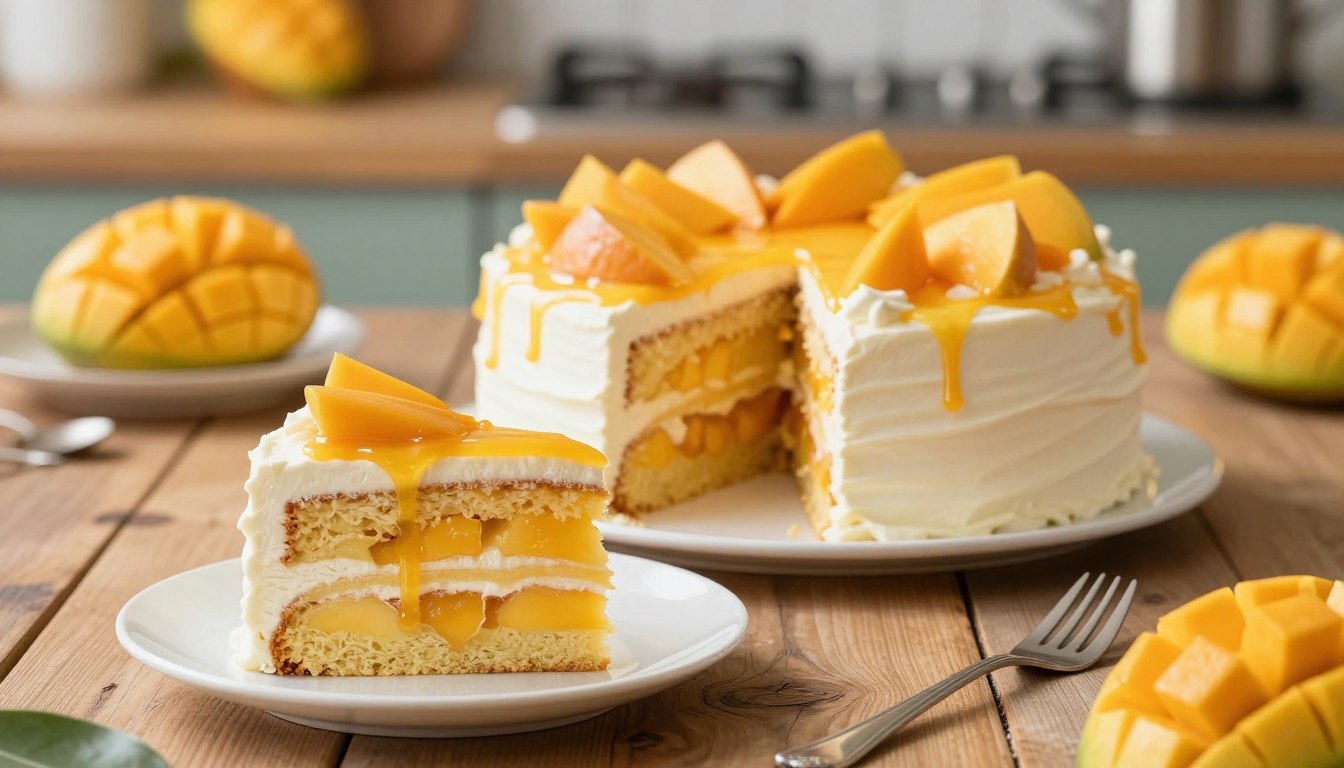
Best mango cake recipe: Easy to make at home
Did you know that mango cake ranks as one of the top five most requested tropical desserts across American bakeries? This creamy, fruity favorite brings vacation vibes straight to your kitchen.
You’re about to discover that making a homemade mango cake is far easier than you might think. Whether you’ve baked dozens of cakes or you’re trying your first one, this guide walks you through every single step. Success is waiting for you, no matter your skill level.
The best mango cake recipe combines simplicity with incredible taste. You’ll learn mixing techniques that work perfectly every time. The texture can range from a dense pound cake style to a light sponge cake, depending on what you prefer. This versatility makes it perfect for birthdays, summer parties, or whenever you want something sweet and tropical.
Your homemade mango cake will impress family and friends. The tropical flavor shines through in every bite. You’ll feel confident using simple tools and basic ingredients you probably have at home already.
This guide covers everything you need. From picking the ripest mangoes to frosting your finished cake, you’ll get clear instructions and practical tips. Let’s dive in and create something delicious together.
Introduction to mango cake
Mango cake stands out as one of the most beloved tropical mango dessert options for anyone seeking a fresh, flavorful treat. When you bite into a slice of moist mango cake, you experience the perfect marriage of tender crumb and vibrant fruit flavor. This dessert brings summer vibes to your table year round, making it ideal for celebrations, gatherings, or simply treating yourself to something special.
What sets this dessert apart from other fruit cakes is its unique balance. A well-made moist mango cake avoids the overly sweet trap that many fruit desserts fall into. Instead, you get delicate sweetness paired with tropical tanginess that keeps your palate excited with every bite.
What makes mango cake special?
Mangoes bring something truly extraordinary to baked goods. Their natural sweetness, beautiful golden color, and aromatic properties transform a simple cake into something memorable. The fruit’s unique flavor profile creates depth that goes beyond standard vanilla or chocolate cakes.
Different mango varieties deliver distinct tastes. Alphonso mangoes from India, known as the “king of mangoes,” provide exceptional flavor that elevates your moist mango cake to gourmet levels. Whether you use fresh mangoes, canned mango pulp, or this prized variety, each option creates its own special character.
- Fresh mangoes offer vibrant, natural flavor
- Canned mango pulp provides convenience
- Alphonso mangoes deliver premium taste
- Golden color adds visual appeal
A brief history of mango cake
Mangoes hold deep cultural significance, particularly in South Asian and tropical cuisines where they’ve been celebrated for centuries. This beloved fruit made its journey into Western baking traditions, becoming a popular choice for celebration cakes and everyday desserts alike.
Growing up surrounded by mango trees in tropical regions shaped how families view this fruit. The tradition of incorporating mangoes into special desserts reflects centuries of culinary heritage. Today, your tropical mango dessert choices blend this rich tradition with modern baking techniques, creating something both timeless and contemporary.
Ingredients you’ll need
Creating a delicious fresh mango cake starts with gathering the right ingredients. You’ll want to prepare your kitchen with everything you need before you begin mixing and baking. This section breaks down exactly what you should have on hand to make your mango puree cake turn out perfectly.
Fresh mangoes: the star of the show
Mangoes are the heart of your fresh mango cake. You’ll need between 1 and 2 cups of mango puree, depending on how strong you want that mango flavor to be. The good news is that you have several options for sourcing your mango:
- Fresh ripe mangoes from varieties like Alphonso, Ataulfo, or Kent for the best natural flavor
- Canned mango pulp, which often delivers a more concentrated and intense mango taste
- Frozen mango chunks that you can blend into puree yourself
If you’re planning to add fresh mango chunks for filling or decoration, grab extra fruit beyond what you need for the puree.
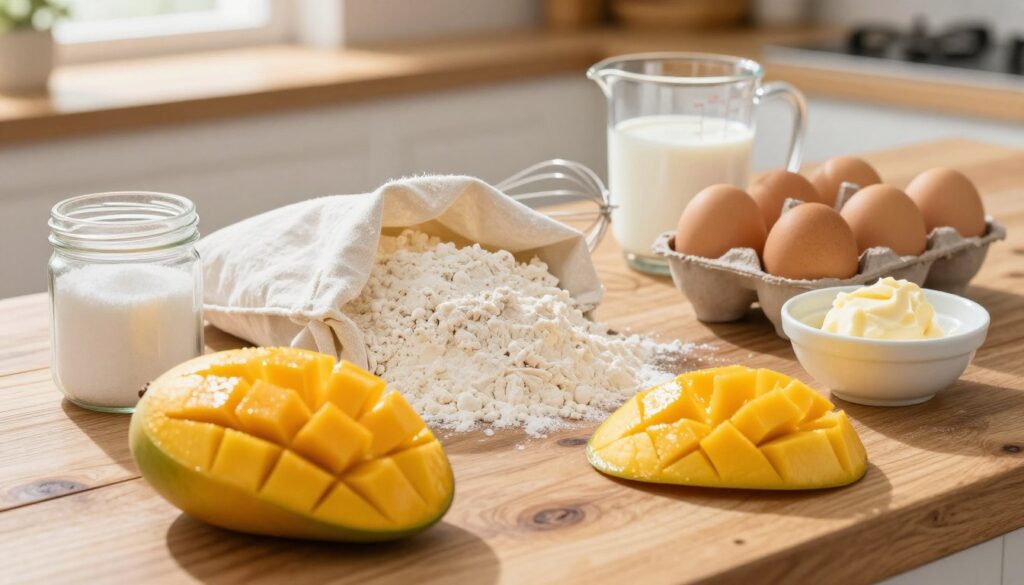
Must have pantry staples
You probably already have most of these basic ingredients in your kitchen. Here’s what you’ll need for your mango puree cake:
| Ingredient | Amount | Notes |
|---|---|---|
| All purpose flour | 1 to 3 cups | Use a kitchen scale for accuracy; cake flour works for lighter texture |
| Granulated sugar | 3/4 to 1 1/4 cups | Sweetens the batter and adds moisture |
| Eggs | 2 to 4 | Room temperature works best for mixing |
| Baking powder or baking soda | 1 to 2 teaspoons | Helps your cake rise properly |
| Vegetable oil or butter | 1/3 to 1/2 cup | Oil creates moisture; butter adds richness |
| Vanilla extract | 1 to 2 teaspoons | Enhances overall flavor |
| Salt | 1/4 teaspoon | Brings out other flavors |
| Milk (dairy or plant-based) | 1/4 to 1/2 cup | Creates a softer batter |
| Lemon juice | 1 to 2 tablespoons | Optional; brightens the mango flavor |
Measuring your ingredients accurately makes a huge difference in how your fresh mango cake turns out. Use a kitchen scale whenever possible for the most reliable results. Room temperature eggs blend better with your other ingredients, so take them out of the fridge about 30 minutes before you start baking.
Preparing the mangoes
Getting your mangoes ready is one of the most important steps when making mango cake from scratch. The quality of your mangoes will directly impact the taste and texture of your finished cake. Proper preparation ensures you extract maximum flavor and create the perfect puree or diced pieces for your mango cake from scratch. Let’s explore how to select and prepare your mangoes like a pro.
Choosing the right mango
Your mango selection sets the foundation for delicious mango cake from scratch. When shopping for mangoes, look for fruit that yields slightly to gentle pressure in your palm. A ripe mango should smell sweet and fragrant near the stem end. Avoid mangoes with bruises, dark spots, or wrinkled skin.
Several varieties work beautifully for baking. Alphonso mangoes are known as “the king of mangoes” and deliver the most intense flavor. Ataulfo mangoes bring a creamy, honey-like sweetness. Kent mangoes offer a larger size with juicy, sweet flesh.
Here’s an insider tip: many experienced bakers prefer canned Alphonso mango pulp from Indian grocery stores. This option provides more concentrated mango flavor than fresh fruit and saves you preparation time.
| Mango variety | Flavor profile | Best use | Availability |
|---|---|---|---|
| Alphonso | Rich, intense, floral | Premium cakes, purees | Fresh (seasonal), canned, frozen |
| Ataulfo | Creamy, honey like | General baking | Fresh, some frozen options |
| Kent | Sweet, juicy, mild | Diced toppings, fillings | Fresh (summer) |
How to peel and dice mangoes
Preparing fresh mangoes for your mango cake from scratch is simpler than you might think. Follow these easy steps to get perfect pieces every time:
- Stand the mango upright on a cutting board with the narrow side facing you
- Slice down both sides of the pit to create two “cheeks”
- Score the mango flesh in a crosshatch pattern without cutting through the skin
- Push the skin side outward to invert it, creating cube shaped pieces
- Slice the cubes away from the skin
For making mango puree, place your prepared mango pieces into a blender or food processor. Blend until completely smooth, which takes less than a minute. If you want an ultra-smooth texture for your mango cake from scratch, strain the puree through a fine mesh sieve. Add one to two tablespoons of water or lemon juice if your puree seems too thick.
Pro tip: Chill your mangoes before peeling to make the process easier and cleaner.
Making the cake batter
Creating the perfect batter is the foundation of your easy mango cake recipe. You have several mixing methods to choose from, depending on your kitchen equipment and comfort level. Each technique produces delicious results, so pick the one that works best for you.
Step by step instructions
You can make your easy mango cake recipe using one of three popular mixing approaches. Each method brings out wonderful flavors and textures in your finished cake.
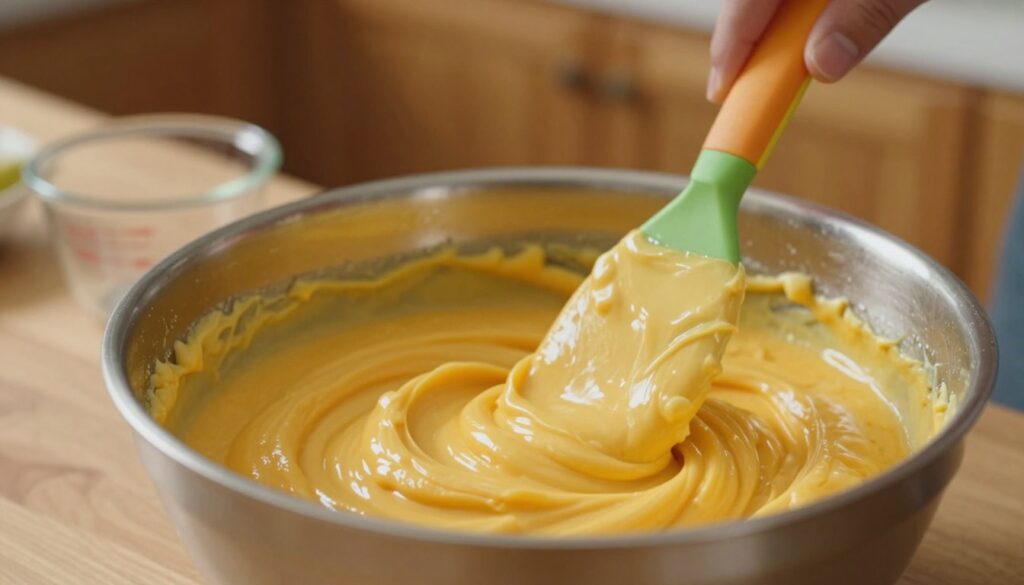
Food Processor Method: This is the quickest approach. Simply add your mango puree, flour, sugar, oil, lemon juice, milk, baking powder, and salt into a 14 cup capacity food processor. Pulse for about 10 seconds until you have a smooth, consistent batter. This easy mango cake recipe method requires minimal effort.
Traditional Creaming Method: Beat softened butter and sugar together with an electric mixer until light and fluffy (about 3 to 5 minutes). Add your eggs one at a time, mixing well after each addition. Stir in vanilla extract and mango puree. Fold in your dry ingredients (flour, baking powder, and salt) just until combined.
Sponge Cake Method: Whisk eggs with hot water at high speed for 1 minute until foamy. Gradually add sugar and vanilla, then whisk for 8 to 12 minutes until the mixture reaches the thick ribbon stage. Gently fold in your sifted dry ingredients in three separate additions.
Tips for perfect texture
Your easy mango cake recipe depends on following these essential texture tips:
- Avoid overmixing your batter. Too much mixing develops gluten and creates a dense, tough cake. Mix just until dry flour streaks disappear.
- Use room temperature ingredients, especially eggs and butter. This helps everything blend smoothly and creates better texture throughout your cake.
- Choose your fat wisely. Oil produces an incredibly moist cake that stays fresh longer, while butter delivers richer flavor. You can combine both for the best of both worlds.
- Don’t skip sifting your dry ingredients. This adds air and prevents lumps in your batter.
| Mixing Method | Equipment Needed | Time Required | Best For |
|---|---|---|---|
| Food Processor | 14-cup processor | 5 minutes | Quick, easy preparation |
| Traditional Creaming | Electric mixer | 15 minutes | Rich, classic flavor |
| Sponge Cake | Whisk or mixer | 20 minutes | Light, airy texture |
Following these guidelines ensures your easy mango cake recipe turns out moist, tender, and absolutely delicious every single time.
Baking the mango cake
Now comes the exciting part where your best mango cake recipe truly comes to life. Baking transforms your prepared batter into a golden, fragrant masterpiece. This section walks you through the exact temperatures, timing, and doneness tests you need for perfect results every time. Knowing these details makes all the difference between an average cake and one that impresses everyone at your table.
Ideal oven temperature and time
Start by preheating your oven to 350°F (175°C). This standard temperature creates a golden exterior while keeping the inside moist and tender. Some experienced bakers use a clever trick: they preheat to 350°F, then immediately reduce the temperature to 325°F once the cake goes in. This approach prevents over browning and promotes even baking throughout your cake layers.
Before mixing your batter, prepare your pans properly. Grease them thoroughly with butter or nonstick cooking spray. Line the bottom with parchment paper for easy release. For butter based cakes, grease both the bottom and sides. For sponge-style cakes, grease only the bottom so the batter can grip the sides as it rises.
Your baking time depends on your pan size. Here’s what to expect when making the best mango cake recipe:
| Pan Size | Baking Time | Temperature |
|---|---|---|
| 8 inch round pan | 23-25 minutes | 350°F (175°C) |
| 9 inch round pan | 25-30 minutes | 350°F (175°C) |
| Two 7 inch layer pans | 30-35 minutes | 350°F (175°C) |
How to check for doneness
Testing your cake properly ensures you pull it from the oven at just the right moment. Use these three reliable methods:
- The toothpick test: Insert a wooden toothpick or cake tester into the center. It should come out with just a few moist crumbs, not wet batter.
- The touch test: Gently press the center with your finger. The cake should feel soft but spring back immediately without leaving an indentation.
- The visual test: Look for a golden brown surface and cake that has slightly pulled away from the pan sides.
Remember that slightly underbaking beats overbaking. Your cake continues cooking as it cools in the pan. The best mango cake recipe achieves its perfect texture when you stop just before it feels completely firm. This keeps your cake tender and moist for the frosting and assembly steps ahead.
Preparing the mango frosting
The frosting is where your mango puree cake truly shines. This is your chance to add incredible flavor and create a cake that tastes as amazing as it looks. You have three excellent options to choose from, each offering different tastes and textures. Whether you want something rich and buttery, light and airy, or luxuriously creamy, there’s a frosting style perfect for your mango puree cake.
Ingredients for the Frosting
Your frosting choice depends on your taste preferences and what ingredients you have on hand. Below are three distinct options for topping your mango puree cake.
| Frosting Type | Key Ingredients | Best For |
|---|---|---|
| Ermine Style Mango Buttercream | 1 cup mango puree, 1 cup sugar, 10 tablespoons cornstarch, 2½ cups plant milk, 3 cups softened butter, 1 cup confectioners sugar | Lower-sugar option with unique texture |
| Mango Whipped Cream | 2-3 cups heavy whipping cream, ¼ cup powdered sugar, 3 teaspoons vanilla extract, ⅓ to ½ cup mango puree | Light and traditional approach |
| Mango Mascarpone Whipped Cream | Heavy cream, powdered sugar, vanilla extract, mango puree, ½ cup mascarpone cheese | Luxurious and rich with stability |
Step by step frosting instructions
Making your frosting is straightforward when you follow these simple steps.
For Ermine Buttercream: Whisk together mango puree, sugar, cornstarch, and plant milk in a medium saucepan over medium heat. Stir constantly until the mixture boils and thickens like custard (about 5-7 minutes). Add vanilla extract, then strain through a mesh strainer onto a sheet pan. Refrigerate until completely cold and set, at least 2 hours or overnight. Whip your softened butter with salt for about 5 minutes until light and fluffy. Add sifted confectioners sugar and whip another 1-2 minutes. Slowly add the cold custard one large spoonful at a time while whipping on high speed. Keep scraping the bowl frequently until you have smooth, silky mango buttercream.
For Whipped Cream Versions: Start by chilling your mixing bowl and whisk in the freezer for 15 minutes. Pour cold heavy cream into the chilled bowl and whip on medium high speed until soft peaks form. Add powdered sugar and vanilla, then continue whipping 1-2 minutes. Fold in your mango puree and mascarpone cheese if using. Whip until you reach stiff peaks. Watch carefully to avoid overbeating. If your cream becomes grainy, add 2-3 tablespoons of liquid cream and gently re whip.
Stabilizer Tip: For added stability, especially in warm weather, dissolve ½ teaspoon of gelatin in warmed mango puree before adding it to your frosting. This helps your mango puree cake frosting hold its shape longer.
- Chill your bowl and whisk 15 minutes before whipping cream
- Add mango puree gradually to whipped cream for even distribution
- Stop whipping before the mixture becomes grainy
- Keep everything cold for best results with whipped cream frostings
You’re now ready to assemble your finished mango puree cake with the perfect frosting topping.
Assembling your mango cake
Now comes the exciting part bringing your homemade mango cake to life! After baking and frosting, assembly is where your beautiful cake really shines. This step transforms individual components into a stunning dessert that looks almost too good to eat. Your cake should be completely cool before you begin. Let your homemade mango cake rest at room temperature or even chill it in the refrigerator for easier handling.
Layering tips for stunning presentation
Creating even layers is key to a professional looking homemade mango cake. If you’re making a multi layer cake, use a long serrated knife to cut your cake horizontally. Before cutting all the way through, mark guide lines around the edge of your cake to keep your knife level and straight.
Here’s what you need to know about moving delicate layers:
- Use a cake lifter or slide layers carefully onto parchment paper
- Handle layers gently to avoid breaking or tearing
- Place parchment strips under your first layer to keep your cake stand clean
- Choose your best looking layer for the top
- Use the sturdiest layer for the bottom
- Place any less than perfect layers in the middle
Spread about ½ cup of mango puree on each cake layer. Add mango chunks mixed with whipped cream between layers for extra flavor and texture. Apply a thin “crumb coat” first, then refrigerate for 15-20 minutes. Your final frosting layer goes on after this base sets. Use an offset spatula dipped in warm water for a smooth, professional finish on your homemade mango cake.
How to decorate with fresh mango
Decorating your homemade mango cake is where creativity meets deliciousness. Fresh mango elements transform your cake into a show stopping centerpiece.
Try these decoration techniques:
- Mango puree drizzles Warm ½ cup mango puree with ½ teaspoon gelatin and white chocolate. Let it cool slightly, transfer to a squeeze bottle, and drizzle down the sides
- Fresh mango balls Use a melon baller to scoop perfect spheres from fresh mango flesh
- Whipped cream rosettes Pipe whipped cream using a star tip around the top edge
- Edible flowers Add pansies or other edible flowers just before serving for elegance
Top each whipped cream rosette with a mango ball for a polished look. These fresh touches make your homemade mango cake look restaurant quality while keeping it simple and delicious. Add edible flowers at the last moment to keep them fresh and vibrant.
Serving suggestions
Your homemade tropical mango dessert is ready to impress! Now comes the fun part serving it in ways that showcase all your hard work. Whether you’re planning a dinner party or sharing slices with family, these ideas will help you present your cake beautifully and keep it fresh for days.
Perfect pairings for mango cake
A tropical mango dessert tastes even better when paired with the right beverages and accompaniments. Hot drinks like chai tea or Earl Grey bring out the mango’s natural tropical notes, while cold options work just as well. A smooth latte or cappuccino balances the fruity sweetness perfectly for coffee lovers.
For special occasions, consider serving wine alongside your tropical mango dessert. Sweet Riesling or Moscato creates an elegant dessert course for adult gatherings. Your cake also pairs wonderfully with complementary flavors that elevate the experience.
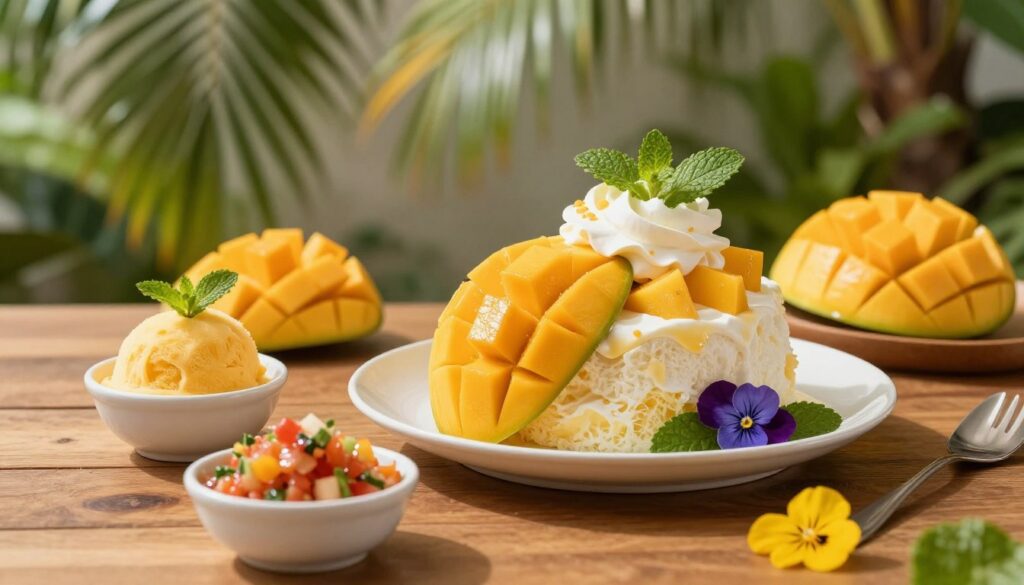
- This mango cake recipe is pure tropical bliss : moist, flavorful and incredibly easy to make! According to BBC Good Food, mango is one of the most popular fruits in baking worldwide. For more fruity and indulgent desserts, try our Cherry Cheesecake Recipe or our crowd favorite Earl Grey Lavender Cake , both absolutely irresistible!
- A scoop of coconut or vanilla bean ice cream
- Passion fruit sauce drizzled on top
- Toasted coconut flakes for texture
- A splash of limoncello for citrus flair
- A dollop of lime curd for brightness
Your cake serves different group sizes well. Cut 8-10 generous wedges for a dinner party, 12-16 smaller slices for a larger gathering, or bake about 20 cupcakes for picnics and lunchbox treats.
How to Store Leftovers
Keep your tropical mango dessert fresh by following these storage guidelines. In a cool kitchen (below 70°F), you can leave a buttercream-frosted cake at room temperature for one day under a cake dome or plastic wrap. Never leave whipped cream-frosted versions out for long.
Refrigeration keeps your cake fresher longer. Place it in an airtight container or wrap it tightly with plastic wrap to prevent drying and odor absorption. The storage timeline depends on your frosting choice:
| Frosting Type | Refrigerator Storage Time |
|---|---|
| Whipped Cream | 3-4 days |
| Buttercream | Up to 1 week |
Always bring refrigerated cake to room temperature 30-60 minutes before serving. The flavors and texture taste much better when not cold.
Plan ahead by baking your cake one day early. Keep parchment paper on the layers and wrap them well to prevent drying. You can freeze unfrosted, completely cooled cake layers wrapped tightly in plastic wrap for up to one month. Thaw them completely at room temperature while still wrapped before frosting and serving your tropical mango dessert.
Conclusion
You’ve just learned how to make a mango cake that tastes like a tropical dream. This recipe deserves a spot in your regular baking rotation for so many reasons. The best part is that creating this stunning dessert is easier than you might think.
Why you’ll love making this cake
This moist mango cake comes together in under an hour, whether you use a food processor or mix by hand. You don’t need fancy skills or special equipment to pull off something this impressive. The recipe forgives small mistakes, and the result always tastes delicious.
The texture stays soft and fresh for days without drying out. This quality makes it perfect for baking ahead of time for parties or special events. Unlike store bought cakes loaded with sugar, your homemade version has balanced sweetness with real tropical mango flavor that tastes like sunshine.
The beautiful presentation speaks for itself. Golden cake layers topped with creamy frosting and fresh mango slices create a centerpiece that wows everyone at the table. Your guests will be amazed when you tell them you baked it from scratch. A Filipino mango cake tradition celebrates the beloved Manila mango, while Indian desserts honor the prized Alphonso variety. You can connect with these cultural traditions or make the recipe uniquely yours by trying different mango types or frosting styles.
Encouragement to share and enjoy
Now comes the best part diving into that beautiful cake you created. Baking is meant to bring joy, not just look pretty on a plate. Slice into your masterpiece and savor every bite you worked to create.
Food always tastes better when shared with people you love. Invite friends over for coffee, bring your mango cake to the next potluck, or surprise a neighbor with a slice. Make this dessert the centerpiece of your next family gathering. You can also adapt this recipe to fit different diets or tastes. Try new mango varieties, experiment with different frosting styles, or add your personal decorative touches. Don’t stress if your layers aren’t perfectly even or your frosting looks less than Instagram perfect your mango cake will still taste amazing.
Take a photo of your creation and share it with fellow baking fans online. Most importantly, enjoy every single bite of your homemade tropical masterpiece. Make this recipe again and again to start new traditions around this special cake. The best recipes are the ones that bring joy in the making and in the sharing.
Your email will not be published publicly.