

Flourless bread: 5 easy steps to the ultimate healthy loaf
Surprising fact: nearly one in five Americans now limits wheat or gluten, and many are seeking tasty swaps that still feel like comfort food.
You’ll love this simple loaf if you want a gluten free, grain free, and dairy free option. Jennifer Bell notes that this version makes a hearty, versatile choice for sandwiches and toast.
The recipe focuses on high fiber and real texture so you don’t miss the chew or the flavor. It’s nutrient dense and avoids common allergens while staying satisfying.
Good news: whether you’re new to baking or a pro, these steps keep things easy. You can make a reliable homemade loaf that toasts well and holds up to spreads and fillings.
Read on to learn the quick tips and clear steps that help you bake a nourishing, everyday staple for your kitchen.
This easy flourless bread recipe is the ultimate healthy homemade loaf incredibly moist, nutritious and absolutely delicious without a single gram of flour! Seeds and whole grains are among the most nutrient dense foods available Healthline highlights their remarkable richness in fiber, protein and essential minerals that support overall health and wellbeing.
For more incredible bread and healthy baking inspiration, explore our easy Recipes with Sourdough Bread and our fluffy Pancake Recipe Without Milk both absolutely irresistible!
Explore more:
Why You should bake your own flourless bread
When you bake this Scandinavian style loaf, you get nutrient rich slices that last all week.
Control the ingredients: making your own loaf means you pick each item. You avoid additives and preservatives found in many store options.
High in protein: this recipe is dense and filling. A single slice delivers more protein than a typical white slice, so you feel full longer.
Thin slicing is a smart way to manage portions. You can enjoy hearty flavor while keeping calories in check.
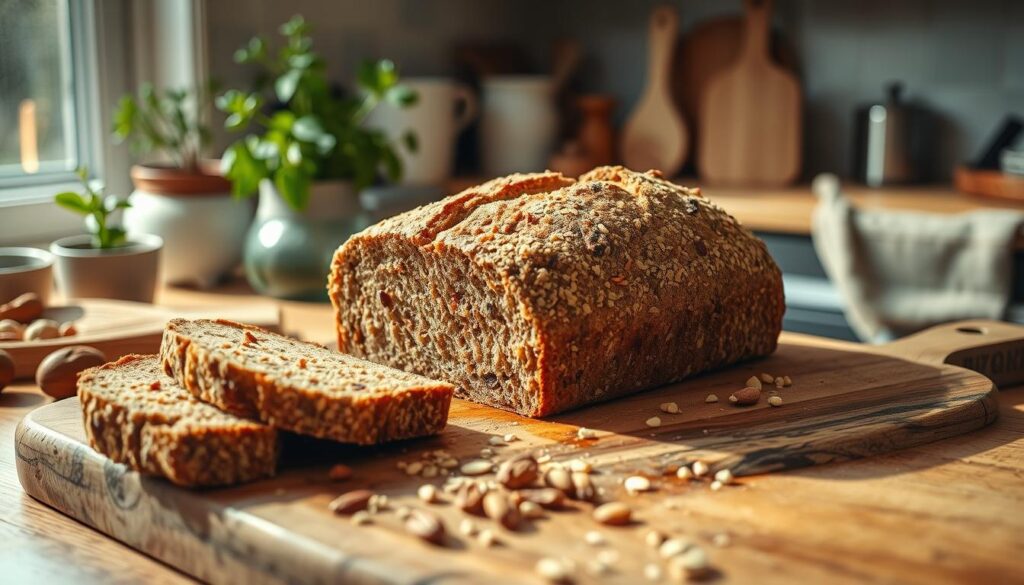
- Save time and money by using pantry staples instead of pricey packaged goods.
- Baking at home gives consistent results and more satisfying food on your table.
- Thomas Rode helped popularize this Stone Age style loaf for modern recipes.
| Benefit | Why it matters | Quick tip |
|---|---|---|
| Ingredient control | No hidden additives | Use simple seeds and oils |
| Protein content | More filling per slice | Pair with yogurt or nut butter |
| Cost & time | Cheaper than specialty loaves | Make a double batch and freeze slices |
Essential ingredients for your homemade loaf
Start with a tight list of pantry staples that give your loaf structure and real flavor.
The Role of psyllium husk: Psyllium husk powder comes from the Plantago ovata seed. It binds the mix and traps moisture so slices hold together without wheat flour. Use it sparingly for a springy crumb.
The right flours and grounds
Combine almond flour and coconut flour for a satisfying texture. These flours add nutty flavor and density.
Grind flaxseed in a food processor, coffee grinder, or spice grinder for the best texture. Ground flax boosts protein and helps the loaf set.
Healthy fats and mix ins
Use olive oil or melted butter with eggs to add moisture and protein. Toss in a cup of mixed seeds pumpkin seeds and sunflower seeds to give structure and healthy fat.
Mix dry ingredients in a large bowl with baking powder, salt, and chia seeds so flavor and lift are even.
| Ingredient | Role | Amount (example) |
|---|---|---|
| Almond flour | Texture, nutty flavor | 1 cup |
| Coconut flour | Absorbs moisture, crumb | 1/4 cup |
| Psyllium husk powder | Binder | 2 tbsp |
| Mixed seeds (pumpkin, sunflower) | Structure, healthy fats | 1 cup |
| Eggs + oil/butter | Moisture & protein | 3 large eggs + 2 tbsp |
Preparing your kitchen and equipment
A well prepared station makes the whole loaf making process smoother. Spend a few minutes organizing tools so you can focus on the recipe and not on searching for a pan or measuring cup.
Selecting the right loaf pan
Use a 9 inch loaf pan: this is the standard size for the recipe and helps the loaf achieve the correct height and crumb. Line the pan with parchment paper to prevent sticking and speed cleanup.
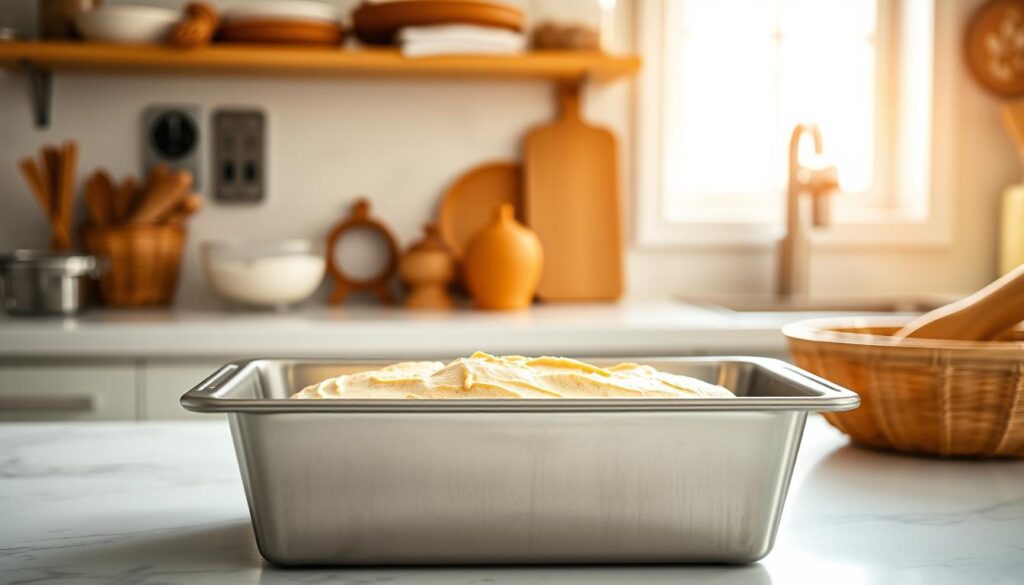
Ready your oven and check that it is clean. Consistent heat is important for the loaf to set evenly.
Consider a food processor to grind seeds or nuts. A processor saves several minutes and gives a consistent texture for the mix.
- Have your 9 inch pan at hand before you begin.
- Preheat and inspect the oven for even heat.
- Line the pan with parchment for easy release.
- Use a processor to save time when prepping mix ins.
Final tip: proper prep keeps your baking efficient and helps you produce a reliable, tasty loaf every time.
Step by step guide to making flourless bread
This simple, step by step method keeps the process clear so you can bake with confidence.
1. Mix dry ingredients. In a large bowl combine almond flour, coconut flour, baking powder, salt, and ground chia or flax. Stir until even.
2. Whisk wet ingredients. In a separate bowl beat the eggs with olive oil and apple cider vinegar. Make sure the oil is blended in.
3. Combine and rest. Fold wet into dry, then knead 2–3 minutes until the mix forms a firm texture. Let the dough rest for at least 10 minutes to hydrate.
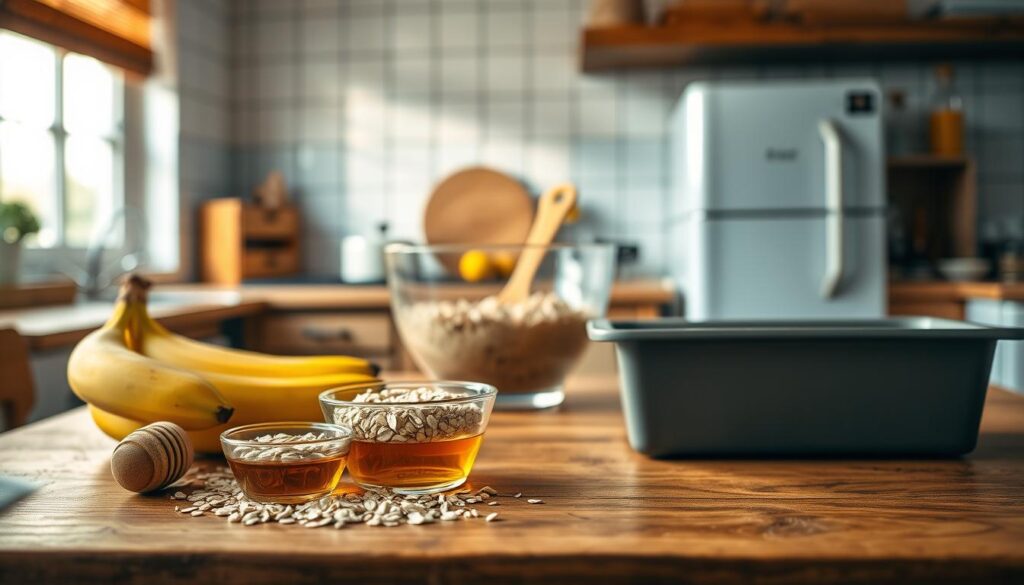
4. Prepare the pan and bake. Line a loaf pan and preheat oven to 375 degrees Fahrenheit for the standard loaf. Transfer dough and bake about 55 minutes, or until a toothpick comes out clean.
Quick option: For a 3 ingredient version, preheat oven to 300 degrees Fahrenheit and bake 30 minutes for a faster way to get fresh food that’s high in protein from eggs and almond flour.
| Version | Temp | Bake minutes |
|---|---|---|
| Standard loaf | 375°F | 55 |
| 3 ingredient | 300°F | 30 |
Creative ways to customize your loaf
Transform a basic loaf into something memorable with a few simple add ins. You can tweak flavor, texture, and protein with minimal effort.
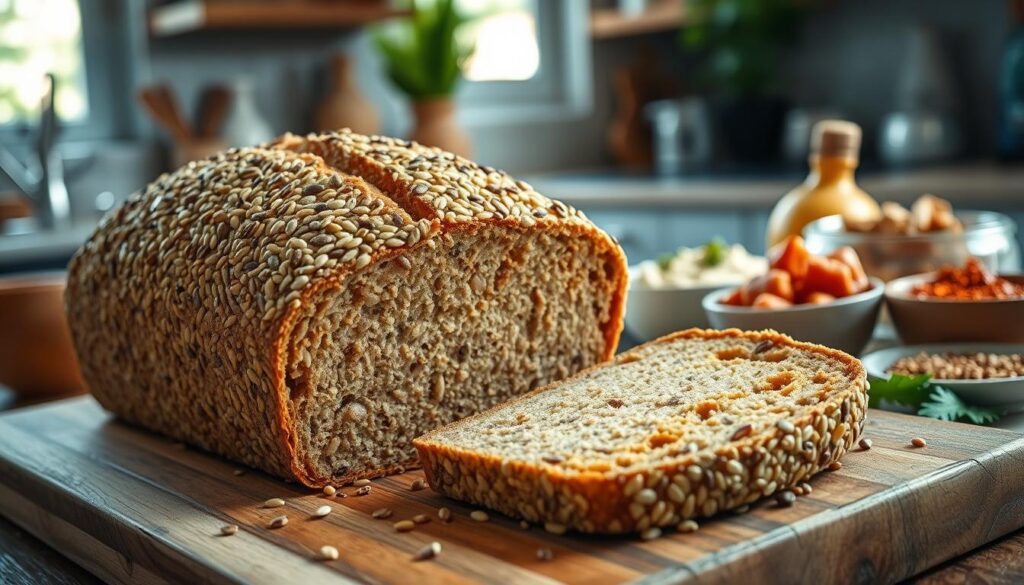
Adding seeds and nuts
Add crunch: stir two tablespoons of sunflower seeds, pumpkin seeds, or chia into the dry mix for a little snap.
For bigger crunch and variety, fold in a cup of chopped nuts or mixed seeds. One loaf yields about 25 thin slices, so this makes each slice satisfying.
Incorporating herbs and spices
Mix fresh rosemary or oregano into the bowl for a savory loaf that pairs well with olive oil or butter on top.
Use a coffee grinder or small processor to lightly grind nuts and seeds for a finer, more uniform texture and enhanced flavor.
- Always add extras to the dry ingredients before you pour in the wet ones to ensure even distribution in the loaf pan.
- Slicing thin keeps portions sensible and highlights added protein from seeds.
- Try combinations: pumpkin + sunflower + chopped nuts for a complex, toasted flavor.
| Add in | Amount | Effect |
|---|---|---|
| Sunflower seeds | 2 tbsp | Crunch, protein |
| Chopped nuts | 1 cup | Rich flavor, texture |
| Fresh herbs | 1–2 tbsp | Savory aroma |
Best practices for storing and reheating
Keep your slices tasting great by using airtight storage and simple reheating tricks.
Short term: Store the loaf in an airtight container in the fridge for up to five days. Let the loaf cool completely in the pan before you cover it; this helps the structure set and prevents crumbling.
Freezing: For longer storage, freeze for up to three months. Freeze individual slices flat on a tray first, then pack them in a resealable bag. This lets you grab a single slice when you want a quick snack.
Reheating: Reheat single slices in a toaster oven it takes just a few minutes to get a crisp, warm bite. If you warm the whole loaf, preheat oven to a low temperature and bake minutes until the loaf is heated through.
- Cool fully in the pan before slicing.
- Freeze slices individually for convenience.
- Use a toaster oven for fast reheating in minutes.
| Storage | Time | Best method |
|---|---|---|
| Fridge | Up to 5 days | Airtight container after cooling in pan |
| Freezer | Up to 3 months | Freeze slices flat, then bag |
| Reheat (slice) | 2–4 minutes | Toaster oven for crisp edges |
| Reheat (whole) | 10–20 minutes | Preheat oven low and bake minutes until warm |
Enjoying your freshly baked healthy bread
Enjoy a hearty, protein rich slice. Serve thin slices warm with butter, nut butter, or savory toppings like smoked salmon and soft eggs. These simple choices turn one loaf into a quick, complete meal.
This recipe shines when you highlight the nutty flavor from almond flour, pumpkin seeds, and sunflower seeds. Open faced sandwiches are a great way to enjoy the dense, satisfying texture.
Share slices with family or pack a thin piece for lunch. The loaf keeps well and makes it easy to keep portions in check while getting steady protein and seeds in every bite.
Flourless Bread FAQ
Is flourless bread gluten free?
This loaf contains no wheat flour, but oats can be cross-contaminated with gluten. Use certified gluten-free rolled oats if you need a strictly gluten-free bread.
Why does flourless bread need psyllium husk?
Psyllium husk absorbs water and forms a gel that replaces gluten, binding the oats and seeds so the loaf holds together and slices cleanly.
Why is my flourless bread gummy in the middle?
It was most likely sliced too early or underbaked. Bake until the loaf sounds hollow when tapped, then let it cool completely in the pan for at least 2 hours before slicing.
Can I swap the seeds in this flourless bread?
Yes. Replace the sunflower or pumpkin seeds with the same weight of chopped walnuts, almonds or sesame seeds. Keep the psyllium, chia and flax amounts the same.
How do I store and freeze flourless bread?
Store the sliced loaf in an airtight container in the fridge for up to 5 days. For longer storage, freeze the slices for up to 3 months and toast them straight from the freezer.
Is this flourless bread vegan?
Yes. The recipe uses no eggs or dairy. Psyllium, chia and flax provide the structure.
Your email will not be published publicly.