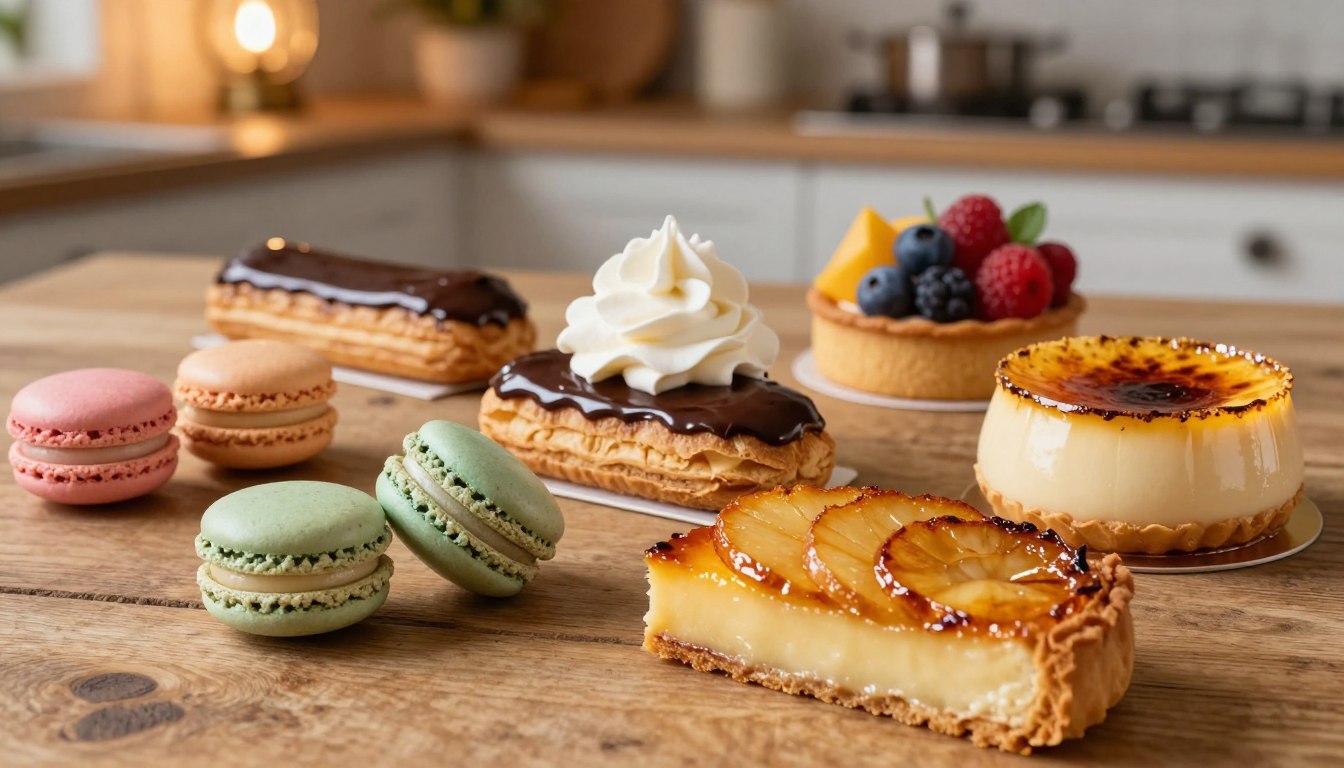
Classic french dessert recipes from france you’ll love
Did you know that approximately 85% of home bakers believe French desserts are too difficult to recreate? The truth might surprise you. Many classic French dessert recipes are far more achievable than you think, and you can master them right in your own kitchen.
When you picture French patisseries in Paris, you imagine impossible creations. You see delicate pastries and intricate designs that seem to require years of training. The good news is that most classic French dessert recipes from France focus on technique and balance rather than complicated steps. These desserts rely on quality ingredients, buttery pastry, fresh fruit, and beautiful textures.
You don’t need to be a professional chef to bring the magic of French patisseries into your home. With the right guidance and step by step directions, you can recreate these sweet treats with confidence. Whether you’re planning a simple weekend treat or an elegant dinner party, French dessert recipes from France offer something special for every occasion.
What makes French desserts stand out? The answer lies in their balance. These creations skip the heavy sweetness found in many desserts. Your palate experiences subtle flavors and refined textures instead. The buttery layers, fresh seasonal fruits, and delicate custards work as a team to create something truly elegant.
This article guides you through the wonderful world of classic French dessert recipes from France. You’ll discover rustic fruit tarts, decadent chocolate creations, colorful macarons, and seasonal specialties. You’ll learn the techniques that make these desserts special. By the end, you’ll have the confidence to recreate your favorite French treats at home.
France is the birthplace of the world’s most iconic desserts. From the golden pastry shops of Paris to the rustic kitchens of Lyon and Provence, French desserts have shaped the way the entire world thinks about sweet indulgence. Buttery, elegant, and crafted with centuries of tradition – they are in a class of their own.
In this collection, you’ll discover 25 classic French dessert recipes that range from the famously delicate French macarons to the rustic warmth of a Puff Pastry Apple Rose Tart, and everything in between. Whether you’re an experienced home baker or just beginning your pastry journey, every recipe here has been carefully selected for its authenticity, flavor, and approachability.
Here is a taste of what you’ll find in this guide:
- Homemade Strawberry Mille Feuille: A Decadent Treat
- French crepes recipe in french: 5 Easy perfectly steps
- Easy pistachio frangipane tart recipe : perfectly elegant
- Blueberry mini tarts recipe : Elegant, Creamy & stunning
- Orange Tart Recipe: 6 Perfectly Elegant Steps
- Cherry Pie Mini Tarts
- 12 apple pop tarts ranked: where to buy and save 30%
- 12 tart dish recipes everyone will love this season
What makes French desserts truly special is their philosophy: quality over complexity. The finest French pastries are built on a handful of exceptional ingredients real butter, fresh eggs, good chocolate, and seasonal fruit combined with technique, patience, and a genuine love for the craft. According to the history of French cuisine, this culinary tradition was recognized by UNESCO as part of the world’s intangible cultural heritage.
At Step44, every recipe in this guide reflects those same values. Simple enough to make at home, impressive enough to serve at any table.
Let’s bring France to your kitchen. 🇫🇷
Introduction to french desserts
French desserts represent some of the world’s most beloved sweet treats. When you explore authentic french dessert recipes, you discover a culinary tradition built on passion and precision. These desserts have earned their reputation by balancing indulgence with elegance. Understanding what makes traditional french dessert recipes special helps you appreciate every bite and empowers you to recreate these masterpieces in your own kitchen.
French baking philosophy centers on technique, quality, and restraint. Your desserts should taste refined, not overwhelming. The goal involves creating flavors that complement each other perfectly without clashing. This approach sets French desserts apart from many other sweet treats around the world.
The essence of french pastry
French pastry craft relies on precision and respect for ingredients. When you make traditional french dessert recipes, you’re following techniques refined over centuries. French pastry chefs understand that simplicity creates excellence. They let quality ingredients speak for themselves rather than masking them with excess sweetness.
The balance in authentic french dessert recipes comes from combining sweetness, acidity, and richness harmoniously. You want desserts that feel indulgent without becoming cloying. This philosophy means using less sugar than you might expect. Each component should have a purpose and contribute to the overall experience.
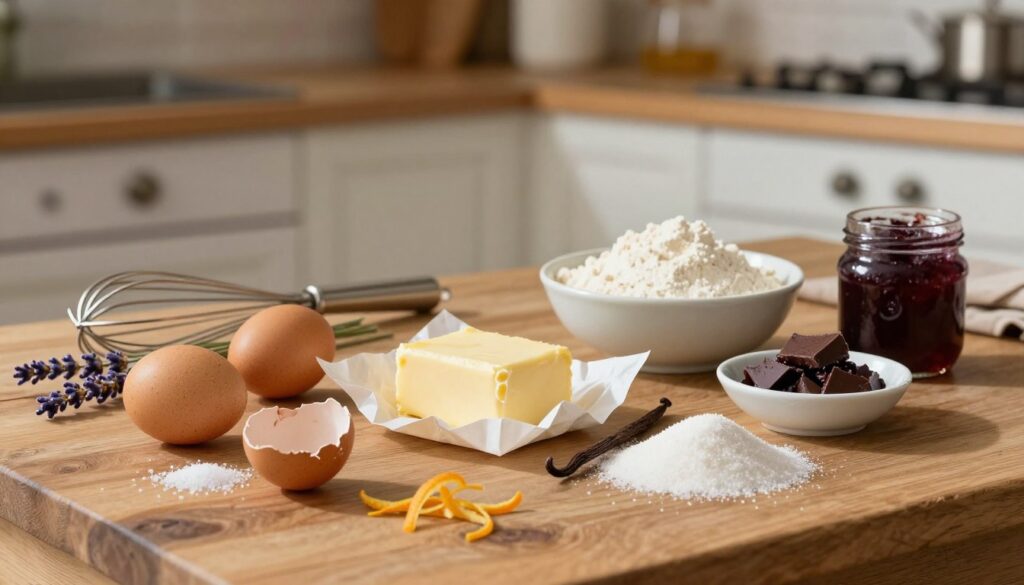
Key ingredients in french desserts
Building your pantry for traditional french dessert recipes requires understanding essential ingredients. These staples appear repeatedly throughout French baking because they deliver superior results.
- Butter : Premium quality creates flaky, delicate pastries with rich flavor
- Fresh eggs : Essential for custards, meringues, and mousses with proper texture
- Real vanilla : Authentic beans provide depth that extracts cannot match
- High-quality chocolate : Superior cocoa content ensures authentic taste
- Seasonal fruits : Fresh, ripe produce brings natural sweetness and texture
- Almond flour : Creates the delicate, airy textures French desserts are known for
- Heavy cream : Rich and pure for whipping and custard bases
French bakers care deeply about ingredient quality because it directly impacts your final results. When you invest in premium butter, real vanilla beans, and quality chocolate for your authentic french dessert recipes, the difference becomes immediately apparent. These ingredients elevate traditional french dessert recipes from ordinary to extraordinary.
| Ingredient | Purpose | Quality standard |
|---|---|---|
| Unsalted butter | Creates flaky layers and rich flavor | European-style, 82-86% butterfat |
| Fresh eggs | Binds and aerates with proper structure | Large, room temperature before use |
| Madagascar vanilla | Adds deep, complex flavor notes | Grade A beans with visible seeds |
| Dark chocolate | Provides richness and cocoa depth | 70% cocoa content minimum |
| Seasonal fruits | Offers natural sweetness and freshness | Peak ripeness from local sources |
| Almond flour | Creates delicate, airy texture | Finely ground from blanched almonds |
| Heavy cream | Base for mousses, custards, and whipping | Minimum 36% fat content, cold |
Stocking your kitchen with these ingredients means you’re ready to tackle authentic french dessert recipes. Your investment in quality produces desserts that taste genuinely French, refined, and absolutely delicious.
Popular french desserts you must try
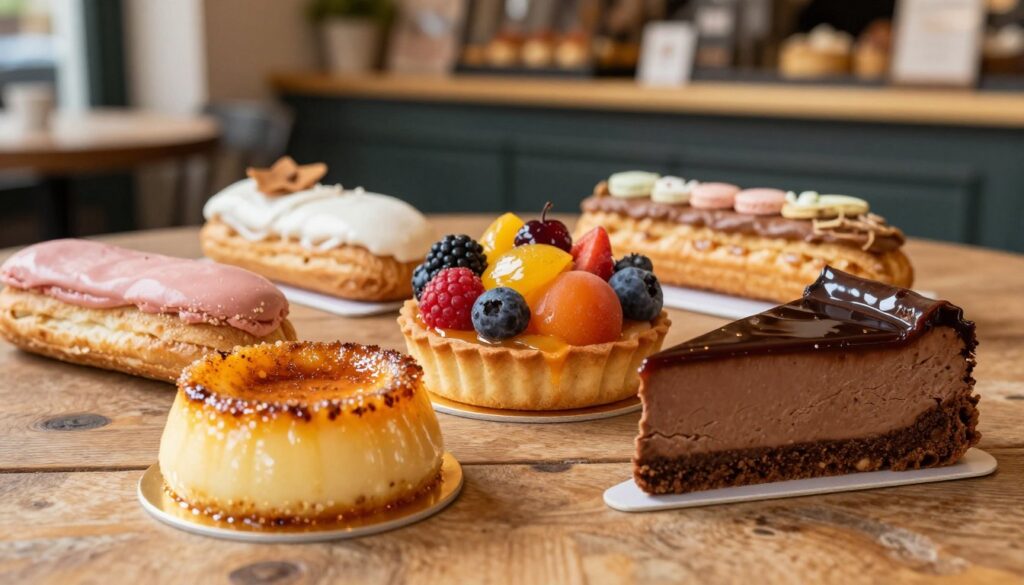
When you think of best french dessert recipes, three classics immediately stand out. These popular french dessert recipes have delighted people around the world for generations. Each one tells a unique story and offers a different taste experience. You’ll find these desserts in bakeries across France and in homes everywhere people love good food. Learning to make these treats at home brings the magic of French patisserie right to your kitchen.
Tarte tatin: upside down apple tart
This beloved dessert has a wonderful origin story. In the 1800s at Hotel Tatin, Stéphanie accidentally left apples cooking too long in butter and sugar. Rather than waste the dish, she placed pastry on top and baked it. When flipped over, she created something magical. The apples turned deep golden and caramelized beautifully.
You’ll need firm apples that hold their shape well during cooking. The process involves cooking apples in butter and sugar until they reach a rich caramel color. Once the pastry bakes on top, you flip the entire tart to reveal glossy, tender apples. Serving it warm with crème fraîche or vanilla ice cream makes it perfect.
Éclairs: creamy and irresistible
The word “éclair” means “flash of lightning” in French. People say this name fits because these pastries disappear so quickly! You make them using choux dough, which creates a light, hollow pastry shell perfect for filling.
The magic happens when you pipe the dough and bake it until golden. Inside, you fill it with rich pastry cream. Chocolate, coffee, and vanilla are traditional flavors, though bakers now create modern variations. The contrast between the crispy exterior and creamy filling makes these among the best french dessert recipes to master.
Crème brûlée: a delightful classic
This silky custard topped with a crackly caramelized sugar crust deserves its reputation as France’s favorite dessert. The base combines cream, egg yolks, and vanilla to create pure elegance in a ramekin.
Making perfect crème brûlée requires attention to temperature and timing. You heat cream gently and pour it over egg yolks to create a smooth, luxurious mixture. Baking it in a water bath ensures even cooking and a tender texture. The real joy comes when you torch the sugar topping and hear that satisfying crack when you tap it with a spoon.
| Dessert | Main ingredients | Cooking method | Serving style |
|---|---|---|---|
| Tarte tatin | Apples, butter, sugar, pastry dough | Stovetop then oven | Warm with crème fraîche |
| Éclairs | Choux dough, pastry cream, chocolate | Piped and baked | At room temperature |
| Crème brûlée | Cream, egg yolks, vanilla, sugar | Water bath baking | Chilled with torched top |
Each of these popular french dessert recipes offers something special. Tarte Tatin brings warmth and comfort with caramelized fruit. Éclairs provide elegance and textural contrast. Crème Brûlée delivers pure indulgence with its smooth custard. When you practice these recipes, you join generations of bakers who understand that great desserts come from quality ingredients and careful technique.
Decadent chocolate desserts
Chocolate lovers rejoice! This section introduces you to two essential homemade french dessert recipes that demonstrate French mastery of chocolate. These desserts transform simple ingredients into extraordinary creations that rival any fancy patisserie. Whether you prefer a molten center or an impossibly light texture, you’ll find the perfect chocolate dessert to impress your guests.
Creating these homemade french dessert recipes requires understanding the differences between various chocolate preparations. Each technique produces unique results that showcase chocolate in different ways. Let’s explore how you can master these elegant treats in your own kitchen.
Fondant au chocolat: molten chocolate cake
This restaurant quality dessert features a luxurious molten center that flows out when you slice into it. The key difference between fondant, moelleux, and mi cuit lies in their texture. A true fondant maintains a completely runny chocolate heart. To achieve this, many bakers insert a frozen ganache into the cake batter, which melts during baking.
- Use high quality dark chocolate for deeper flavor
- Avoid over baking remove from oven when edges are set but center wiggles
- Time your baking perfectly so the center stays gloriously liquid
- Prepare ahead and reheat for dinner parties
Mousse au chocolat: light and Airy chocolate mousse
This traditional French creation achieves its signature light texture through careful folding technique. The method combines melted chocolate with whipped egg whites and sometimes cream, creating an impossibly fluffy dessert.
Master these essential steps for perfect mousse:
- Fold melted chocolate gently into whipped egg whites to maintain air bubbles
- Choose chocolate percentages based on your desired richness
- Experiment with coffee or liqueur variations
- Serve in individual glasses topped with whipped cream or fresh berries
Both chocolate homemade french dessert recipes prove that simple ingredients quality chocolate, eggs, butter, and cream create extraordinary results when prepared with care and attention to technique.
Fruit based french desserts
Fruit-based desserts showcase the natural sweetness of seasonal produce in classic French style. These easy french dessert recipes bring together simple ingredients with elegant presentation. You’ll find that many of these creations rely on fresh, quality fruits as their star ingredient. Whether you’re a beginner or an experienced baker, Fruit based French desserts offer wonderful opportunities to create something truly special.
Clafoutis: cherry custard delight
Clafoutis comes from the Limousin region of France and ranks among the easiest french dessert recipes you can make. This rustic countryside favorite is one of the first recipes French children learn to prepare. The beauty of clafoutis lies in its simplicity you need just a few basic ingredients mixed together.
The foundation is a simple batter made from:
- Eggs
- Milk
- Flour
- Sugar
- Optional vanilla or almond extract
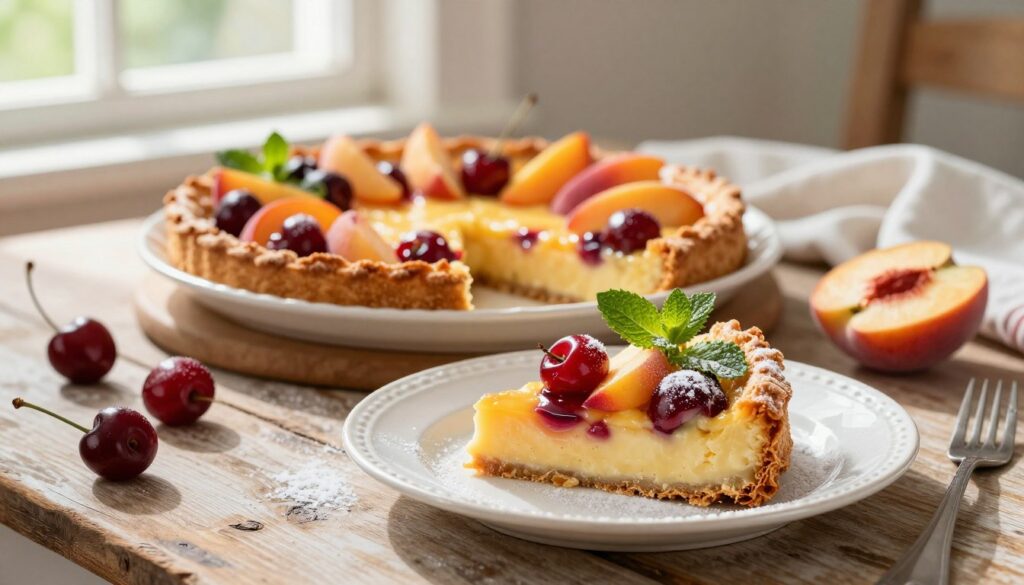
You pour this pancake like batter over fresh cherries and bake until golden. The texture should be custardy in the center with slightly firmer edges. A traditional question arises: should you keep the cherry pits in? They add flavor but require careful eating. You can also use plums, blackberries, or apricots for variations. Dust your finished clafoutis with powdered sugar and serve it warm for the best experience.
Tarte aux fruits: fresh fruit tart
Tarte aux Fruits showcases beautiful seasonal fruits in those stunning pastries you see in French bakery windows. This easy french dessert recipe combines three essential components working together:
| Component | Description | Purpose |
|---|---|---|
| Pâte Sucrée | Buttery sweet pastry crust | Provides a crispy, flavorful base |
| Pastry Cream or Frangipane | Almond cream layer | Adds richness and prevents sogginess |
| Fresh Fruits | Seasonal fruit arranged artfully | Delivers natural sweetness and visual appeal |
Blind bake your crust to prevent it from becoming soggy. Make smooth pastry cream by whisking continuously over medium heat. Arrange your fruits in attractive patterns berries, kiwi slices, and strawberries work beautifully together. The secret to that professional-looking glaze involves brushing apricot jam that you’ve thinned with a bit of water over the fruit for a glossy shine.
Choose fruits that are ripe yet firm enough to hold their shape. These easy french dessert recipes deliver restaurant quality results when you follow these techniques with care and attention.
Iconic french pastries
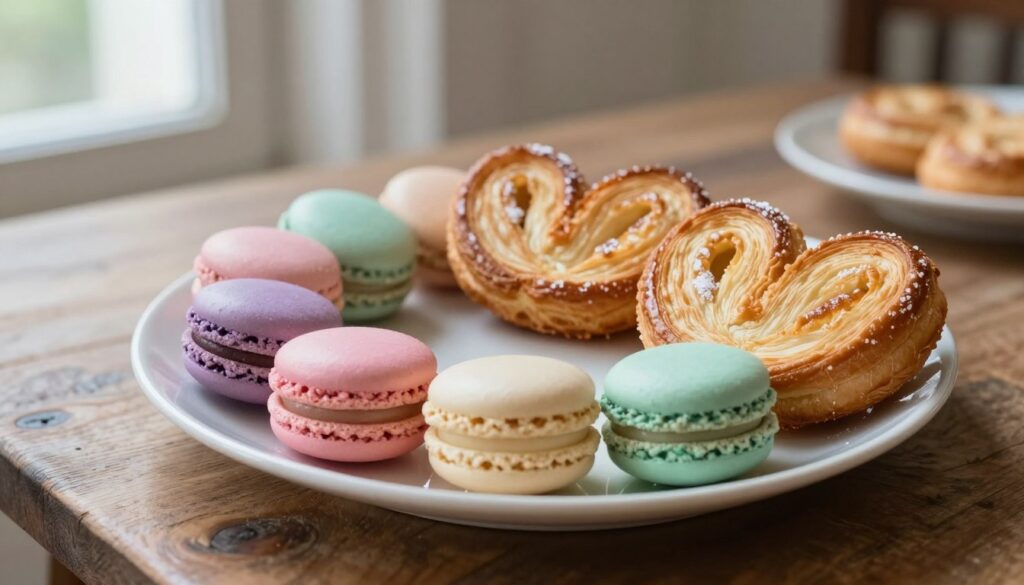
When you explore french dessert recipes from france, you discover pastries that showcase pure artistry and skill. Two standout treats represent the pinnacle of French pastry craftsmanship: macarons and palmiers. These iconic creations have earned their place in bakeries across France and the world. Each one tells a story of tradition, technique, and passion for perfecting the craft.
Macarons: colorful and delicious treats
Macarons arrived in France from Italy through Catherine de Medici in the 16th century. What started as a simple single wafer evolved into the beloved sandwich cookies you know today. Modern macarons are delicate almond meringue cookies made with egg whites and almond flour. The magic lies in their crisp outer shell combined with a chewy interior and creamy filling.
Creating macarons requires patience and precision. You’ll need to master several key techniques:
- Age your egg whites for the perfect meringue consistency
- Master macaronaging the precise folding of batter until it flows like lava
- Achieve those signature “feet” at the base of each cookie
- Time your baking perfectly for ideal texture
Popular flavor combinations in french dessert recipes from france include raspberry, pistachio, vanilla, and chocolate. Brands like Ladurée in Paris revolutionized these treats in the 1830s, and they’ve remained iconic ever since.
Palmier: elephant ear cookies
Palmiers present an elegant yet surprisingly simple approach to French pastry. These treats use puff pastry and sugar as their foundation. You roll the dough in sugar, fold it into characteristic shapes, slice it, and bake until caramelized and crispy. The result? Golden, flaky cookies with incredible crunch.
The name varies depending on location some call them “elephant ears,” while others prefer “palm leaves.” Both names suit their delicate appearance. Here’s what makes them special:
| Element | Purpose | Result |
|---|---|---|
| Puff Pastry Base | Creates layers and structure | Light, flaky texture |
| Sugar Coating | Adds sweetness and caramelization | Crispy, golden exterior |
| Proper Folding | Develops the signature shape | Beautiful presentation |
| Careful Baking | Ensures even cooking | Maximum crispness |
You can experiment with variations of these french dessert recipes from france. Try adding cinnamon for warmth, or create savory versions using cheese and herbs. These adaptations prove that French pastry traditions remain flexible and creative.
Seasonal french desserts
Traditional French dessert recipes shine brightest during festive occasions. These special treats mark important celebrations throughout the year and bring families together around the dinner table. Learning to make these desserts connects you to authentic French culinary traditions and creates lasting holiday memories.
Galette des rois: king’s cake for epiphany
The Galette des Rois represents one of the most beloved traditional French dessert recipes served on January 6th for Epiphany. This stunning pastry celebrates the arrival of the three kings with style and tradition.
Your galette starts with crispy puff pastry layers. Between them sits creamy frangipane, an almond-based filling that gives this cake its distinctive flavor. The real magic happens when you hide a small charm called a fève inside the cake.
Here’s what makes this dessert special:
- Whoever finds the hidden charm becomes king or queen for the day
- A paper crown comes with the cake for the lucky winner to wear
- The youngest person traditionally sits under the table to call out who receives each slice
- Beautiful spiral scoring patterns decorate the golden-brown top
Southern France offers a brioche-style variation that differs from the classic puff pastry version. Both versions celebrate the same joyful tradition of shared celebration.
Bûche de noël: yule log cake for Christmas
The Bûche de Noël stands as the crown jewel among traditional French dessert recipes for Christmas. This showstopping cake resembles a wooden log and requires patience and skill to create.
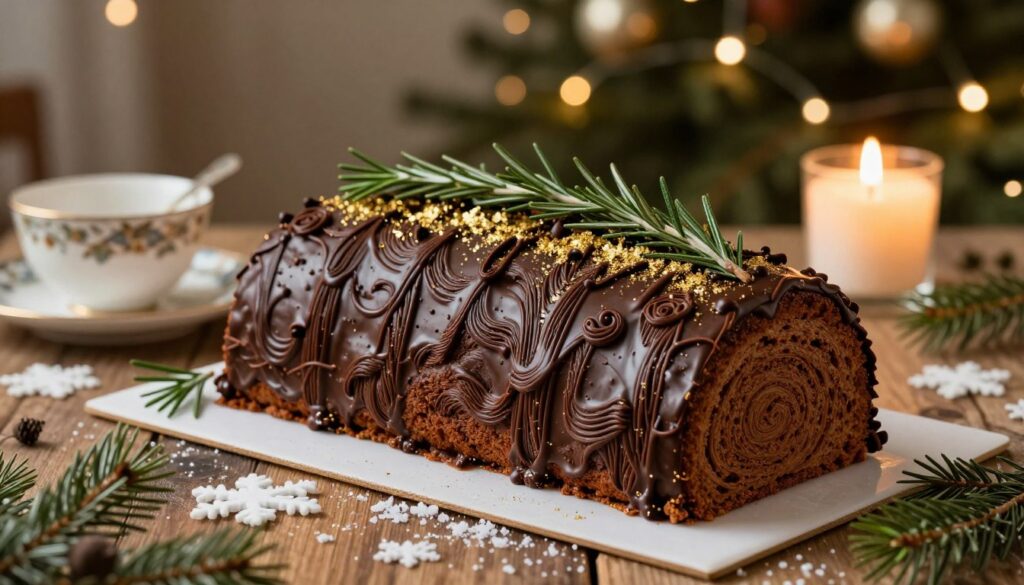
- Prepare a delicate génoise sponge cake
- Roll it carefully with buttercream or ganache filling inside
- Cover the entire cake with textured chocolate frosting resembling bark
- Decorate with meringue mushrooms and marzipan holly leaves
- Dust with powdered sugar to mimic fresh snow
The trickiest part involves rolling the cake without cracking. Work gently and keep your filling cool. Creating realistic bark texture takes practice. Use a fork to score patterns across the frosting that look natural and appealing.
These seasonal traditional French dessert recipes transform your holiday celebrations into genuine French experiences. Both the Galette des Rois and Bûche de Noël carry centuries of festive tradition into your kitchen and home.
Techniques for perfecting french desserts
Creating authentic french dessert recipes demands more than just following instructions. You need to understand the fundamental techniques that French pastry chefs have perfected over centuries. When you master these core skills, you open the door to creating desserts that taste like they came straight from a Parisian bakery. The good news is that many classic recipes are beginner friendly once you grasp the essential methods.
Mastering the art of pâtisserie
French baking rests on several foundational pastry doughs and creams that appear in countless authentic french dessert recipes. Let you learn the three essential pastry bases you’ll encounter repeatedly:
- Pâte Sucrée : a sweet, cookie like dough perfect for tarts
- Pâte Brisée : a shortcrust pastry that’s buttery and versatile
- Pâte Feuilletée : a laminated dough that creates flaky layers
Beyond pastry doughs, you’ll master silky crème pâtissière (pastry cream), stable meringues, and perfect choux pastry. Understanding blind baking prevents soggy bottoms, while tempering chocolate gives you that glossy, professional finish. The secret lies in mise en place having everything prepared and measured before you start. French bakers follow recipes precisely because accuracy builds success.
The importance of temperatures and timing
Precision separates good desserts from exceptional ones. Ingredient temperature matters tremendously in authentic french dessert recipes. Butter needs specific temperatures for different preparations, eggs should often reach room temperature, and oven accuracy can make or break delicate pastries. Investing in an oven thermometer and kitchen scale transforms your results.
Watch for visual and tactile cues that signal completion. The ribbon stage for beaten eggs, the perfect caramel color, and the feel of properly proofed dough all matter. Learn the timing considerations too resting periods for doughs and the patience required for certain processes cannot be rushed. Your attention to these details determines whether you create merely good desserts or truly authentic french dessert recipes.
| Technique | Key temperature/timing | Impact on results |
|---|---|---|
| Butter for Pastry | 65–68°F (18–20°C) | Creates flaky, tender layers |
| Eggs for Creaming | Room Temperature (68–72°F) | Better emulsification and volume |
| Oven for Baking | Precisely Calibrated | Even browning and proper rise |
| Chocolate Tempering | 86–90°F (30–32°C) | Glossy finish and snap texture |
| Dough Resting | 30 Minutes to Several Hours | Relaxes gluten and improves flavor |
Your journey to mastering these techniques opens a world of delicious possibilities. With practice and attention to detail, you’ll create authentic french dessert recipes that impress family and friends every single time.
Vegan and gluten free french desserts
You don’t need to compromise on taste when you follow a vegan or gluten free diet. Easy french dessert recipes can be adapted to fit your dietary needs without losing the elegance and flavor that make French desserts special. Many traditional French treats naturally work well with plant based and gluten free ingredients. In this section, you’ll discover how to create restaurant quality desserts that everyone at your table can enjoy.
Vegan crème brûlée: a plant based delight
Creating vegan crème brûlée brings the magic of this classic to your plant based kitchen. You can replace traditional dairy cream with coconut cream or cashew cream to achieve that silky custard texture. Instead of egg yolks, use cornstarch or agar agar as your thickening agents.
Here’s what you need to do:
- Heat your plant based cream with vanilla bean or quality vanilla extract
- Mix in cornstarch or agar-agar to create thickness
- Pour the mixture into ramekins and chill until firm
- Sprinkle sugar on top and use a kitchen torch to create that iconic caramelized crust
The flavor profile stays delicious and satisfying. Different plant based cream options will affect the final taste slightly, so experiment to find your favorite.
Gluten free chocolate mousse
Good news: traditional chocolate mousse is naturally gluten free since it contains no flour. You can make easy french dessert recipes like mousse by using whipped coconut cream or aquafaba (the liquid from canned chickpeas) to create that light, airy texture.
| Ingredient | Purpose | Amount |
|---|---|---|
| High quality dark chocolate | Flavor and richness | 6 ounces |
| Aquafaba or coconut cream | Creates airy texture | 1 cup |
| Maple syrup or agave | Sweetness | 3 tablespoons |
| Vanilla extract | Flavor enhancement | 1 teaspoon |
Melt your chocolate carefully, then fold it gently into your whipped base without deflating the mixture. Serve in individual glasses topped with fresh berries or shaved chocolate.
Both recipes prove that dietary restrictions don’t mean missing out on French dessert magic. You get all the elegance and taste of traditional easy french dessert recipes with ingredients that work for your lifestyle.
Regional french desserts to explore
France’s diverse regions offer their own special takes on classic french dessert recipes. Each area has developed unique treats that reflect local ingredients and traditions. These regional creations tell stories about the culture and heritage of their communities. Exploring these desserts gives you a deeper connection to French culinary traditions.
When you venture beyond the well known classics, you’ll discover blesser known gems that deserve your attention. These regional treasures provide authentic flavors and techniques passed down through generations. Many of these classic french dessert recipes have become symbols of their hometowns.
From provence: calisson
Calissons represent one of Provence’s most treasured confections. These small, Diamond shaped candies have been made in Aix en Provence since the 15th century. Legend says they were created for a royal wedding to bring joy to a sad queen.
You’ll find that calissons combine ground almonds with candied melon or orange. A sweet sugar syrup binds these ingredients together, and a layer of royal icing tops each piece. The result is a delicate treat with a pleasant chewiness and subtle almond flavor.
Making calissons at home requires patience and precision. The almond paste must reach the right consistency, and the icing needs careful application. Many enthusiasts prefer purchasing authentic versions directly from Provence, where master confectioners maintain time honored methods.
From brittany: far breton
Far Breton brings comfort and satisfaction to the table in ways that fancy desserts cannot match. This rustic custard cake comes from Brittany, where it’s been enjoyed for generations. The name comes from the Breton word “far,” which means flour.
You create Far Breton by making a simple eggy batter and studding it with plump prunes. Some bakers soak the prunes in Armagnac for extra depth of flavor. The cake bakes until just set, maintaining a slight wobble in the center that signals perfect doneness.
This dessert celebrates simplicity over refinement. Its custardy texture and the sweet tart balance of the prunes make it deeply satisfying. Far Breton represents classic french dessert recipes that prioritize honest flavors and comfort.
Other regional specialties worth discovering
- Kouign Amann from Brittany features buttery, caramelized layers that shatter when you bite into them
- Gâteau Basque from the southwestern Basque region combines almond cake with pastry cream or cherry jam
- Canelés from Bordeaux offer a crispy exterior with a tender, custardy interior
Each region’s contribution to classic french dessert recipes reflects local bounty and cultural preferences. Discovering these regional variations deepens your appreciation for French pastry arts and traditions.
Tips for serving french desserts
Making the best french dessert recipes at home is only half the battle. Serving them like a true French pastry chef takes skill and attention to detail. The way you present and pair your desserts can transform a good dessert into an unforgettable experience. Your guests will appreciate the thoughtfulness and care you put into every aspect of serving these elegant treats.
Presentation matters: plating techniques
Your best french dessert recipes deserve stunning presentations. Start with clean white plates that provide contrast and let your dessert shine. Use simple, elegant arrangements that highlight the beauty of each component rather than cluttering the plate with unnecessary decorations.
Consider these plating essentials:
- Dust powdered sugar or cocoa using a stencil for clean, professional lines
- Create sauce drizzles or artistic dots around the plate’s edge
- Add height and dimension to avoid flat presentations
- Use the rule of odd number three components look more appealing than two or four
- Leave negative space on your plate for visual balance
- Garnish thoughtfully with fresh mint, edible flowers, or berries
Temperature plays an important role in serving your best french dessert recipes. Tarte Tatin tastes best when served warm with a dollop of crème fraîche or vanilla ice cream. Crème brûlée should be slightly chilled so the torched top creates a delightful contrast. Present individual chocolate mousses in elegant glasses to showcase their beautiful layers.
Pairing desserts with wine or coffee
In France, beverages pair with desserts in specific ways. Coffee always comes after your dessert, never during the meal. The café gourmand tradition pairs coffee with three to six mini pastries, often samples of larger desserts on the menu.
Explore these classic beverage pairings with your best french dessert recipes:
| Dessert type | Ideal pairing | Why It works |
|---|---|---|
| Fruit Tarts | Sauternes Wine | Sweet wine complements fresh fruit flavors |
| Chocolate Desserts | Banyuls Wine | Rich chocolate pairs with deep wine notes |
| Light Pastries | Champagne | Bubbles enhance delicate pastry textures |
| Crème Brûlée | Late Harvest Riesling | Sweet and floral notes balance caramelized sugar |
Coffee pairings work beautifully with your best french dessert recipes. Pair rich chocolate creations with strong espresso, while lighter pastries go well with café au lait. For special occasions, serve digestifs like Cognac or Armagnac alongside your desserts for an authentic French experience.
Conclusion: embrace french sweetness
You now have the knowledge to start your own French baking adventure. The journey from reading about these delights to creating them in your kitchen is shorter than you might think. Many homemade french dessert recipes are easier to make than their fancy reputation suggests. With clear steps and a bit of practice, you can master these classic treats.
The joy of creating french desserts at home
Making your own popular french dessert recipes brings real joy to your kitchen. Start simple with recipes like chocolate mousse or clafoutis. These teach you basic skills without stress. As your confidence grows, try more complex creations like macarons or tarte Tatin. Each step builds your abilities.
The feeling of pulling a golden dessert from your oven is powerful. You created something beautiful and tasty with your own hands. That sense of accomplishment matters more than perfection. Your homemade french dessert recipes will taste wonderful, even if they don’t look exactly like pictures in a cookbook. Mistakes teach you what works best next time.
These desserts connect you to centuries of French tradition. Baking them brings Paris into your home. Every time you make these treats, you join a long line of bakers who loved creating sweets. This connection makes your kitchen feel special and elegant.
Sharing desserts with family and friends
The best part of baking popular french dessert recipes is sharing them with people you care about. A dessert made by your hands means more than store bought treats. Bring your creations to dinner parties. Serve them at family gatherings. Even a simple weekend treat becomes special when it’s homemade.
French meals end with something sweet for a reason. The dessert extends your time together around the table. It’s not just about the food. It’s about creating memories and showing people you care. Your friends and family will remember the taste and the love you put into making it.
Start new traditions with your homemade french dessert recipes. Make galette des rois for Epiphany. Bake bûche de Noël each Christmas. These customs bring joy year after year. The best reward comes from seeing delight on people’s faces when they taste what you made. That moment makes all the effort worthwhile.
Your email will not be published publicly.