
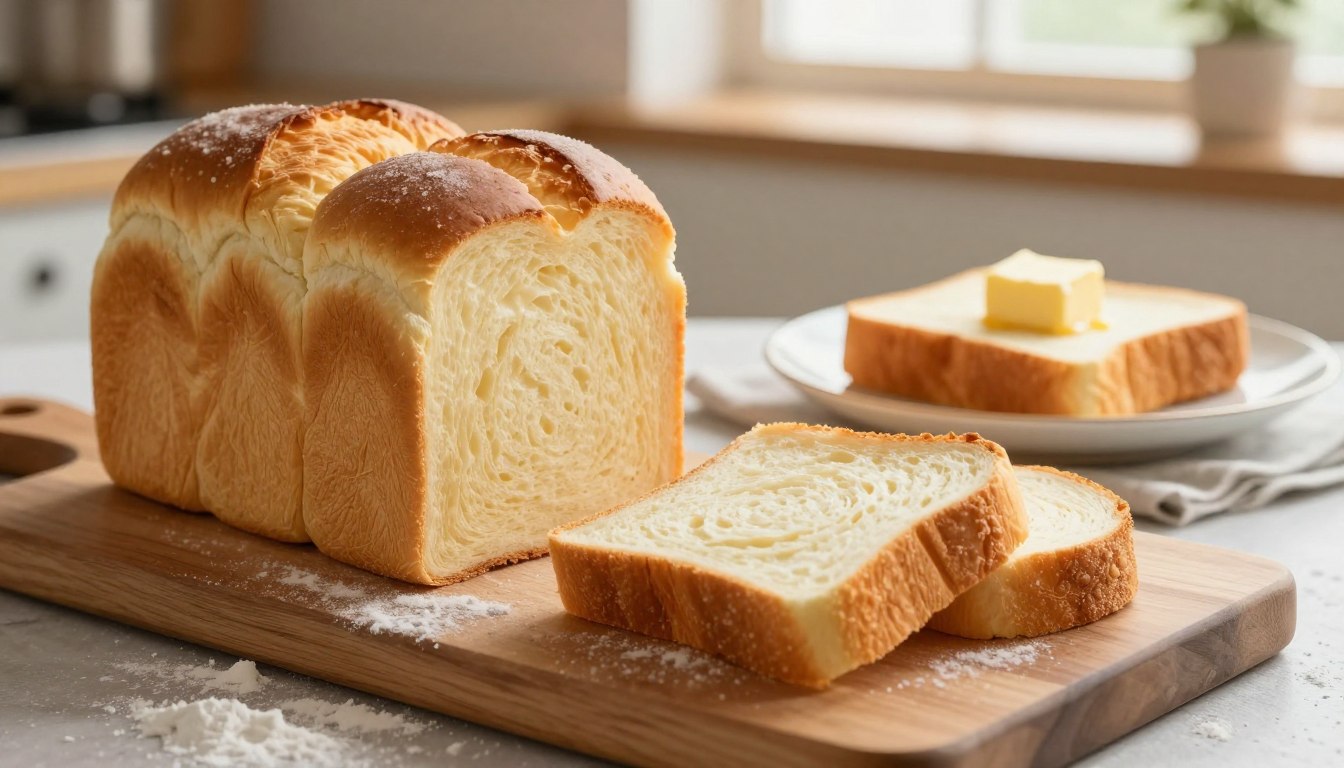
Japanese milk bread recipe : soft, fluffy, and delicious
Did you know that Japanese milk bread, known as Shokupan, has a texture so soft that it can be compared to a cloud? This delightful bread has gained immense popularity worldwide, thanks to its unique softness and subtle milky flavor. It is a staple in many Japanese households and is perfect for sandwiches or simply enjoying with butter.
Welcome to your ultimate guide on making the Japanese milk bread recipe. This soft and fluffy loaf is surprisingly easy to bake at home. Whether you are a beginner or an experienced baker, you will find joy in creating a loaf that transforms your sandwich experience. Get ready to indulge in the softest, fluffiest loaf you’ve ever made, right in your own kitchen!
This recipe is straightforward: make the tangzhong, mix the dough, knead until smooth, let it rise, shape into a loaf, and bake. The result? A golden crusted, cloud soft loaf that’s perfect for sandwiches, French toast, or simply slathered with butter .
If you’re a bread enthusiast, you’ll also enjoy our Toaster French Tips for perfect toast, our Ocean Spray Cranberry Bread for a fruity twist, our French Brioche French Toast for another brioche based treat, or our Applesauce Bread and Best crispy bread recipes for a moist, spiced alternative.
For the definitive guide to the tangzhong method and Japanese milk bread, King Arthur Baking’s technique guide (see it here →) is the most thorough reference available, covering the science behind the roux and how it produces that signature soft, fluffy crumb.
What is japanese milk bread?
Japanese Milk Bread, often referred to as Shokupan, is a beloved type of fluffy Asian bread that has captured hearts across many Asian countries. Its origins trace back to Japan, where it was first created to cater to the growing demand for soft and delicious bread. Over time, this delightful bread spread to other regions, including Korea and China, where it has become a staple in many households.
The origins of milk bread
This bread’s journey began in Japan during the early 20th century. Influenced by Western baking techniques, Japanese bakers developed a unique recipe that incorporated milk, giving the bread its signature softness. The use of the tangzhong method, a traditional Asian baking technique, plays a crucial role in its texture. This method involves cooking a portion of flour and water to create a roux, which helps the bread retain moisture and rise beautifully.
Why it’s so popular
Japanese Milk Bread has gained immense popularity for several reasons:
- Its mild sweetness makes it versatile for both sweet and savory dishes.
- The soft, fluffy texture is perfect for sandwiches or toast.
- It stays fresh longer than many other types of bread.
Unique characteristics of this bread
What sets Japanese Milk Bread apart from other breads? Here are some unique features:
- Fluffiness: The tangzhong method ensures a light and airy texture.
- Moisture retention: This bread remains soft even after a few days.
- Chewy bite: A slight chewiness adds to the overall experience.
Ingredients needed for japanese milk bread
To create your own delicious Japanese milk bread, you need to gather some essential ingredients. These components play a vital role in achieving that soft and fluffy texture you crave. Below is a list of what you will need.
Essential ingredients
- Bread Flour: This is crucial for gluten development, giving your bread a chewy texture.
- Whole Milk: Whole milk adds richness and moisture to the bread.
- Yeast: Use active dry or instant yeast for the best rise.
- Unsalted Butter: This contributes to the softness and flavor.
- Sugar: A small amount of sugar enhances the sweetness.
- Egg: Eggs help bind the ingredients and add richness.
- Salt: Salt balances the flavors.
- Dry Milk Powder: Optional, but it boosts the milky flavor and softness.
Optional add ins for flavor
Feel free to get creative with your milk bread. You can add:
- Raisins for sweetness
- Cinnamon for a warm spice
- Herbs or cheese for a savory twist
Choosing the right flour
While bread flour is the traditional choice due to its higher protein content, all purpose flour can work too. It may yield a slightly different texture but will still produce a soft and fluffy loaf. Choose what suits your baking needs best.
Equipment you’ll need
Before diving into your Japanese milk bread adventure, gathering the right equipment is crucial. Having the right tools will streamline your baking process and enhance your results. Below is a list of essential kitchen tools you should consider.
Kitchen tools to gather
- Large mixing bowl for dough
- Stand mixer with a dough hook (optional for kneading)
- Small saucepan for making tangzhong
- Loaf pan (4.5 x 8.5 inches recommended)
- Rolling pin for shaping
- Brush for egg or milk wash
- Wire rack for cooling
Choosing the right mixing bowl
A large mixing bowl allows ample space for your dough to rise. Opt for a glass or stainless steel bowl. These materials help maintain temperature and are easy to clean.
Best baking pans for milk bread
Your choice of baking pan can affect the shape and texture of your bread. A standard loaf pan measuring 4.5 x 8.5 inches works well. If you prefer dinner rolls, square pans are a great alternative.
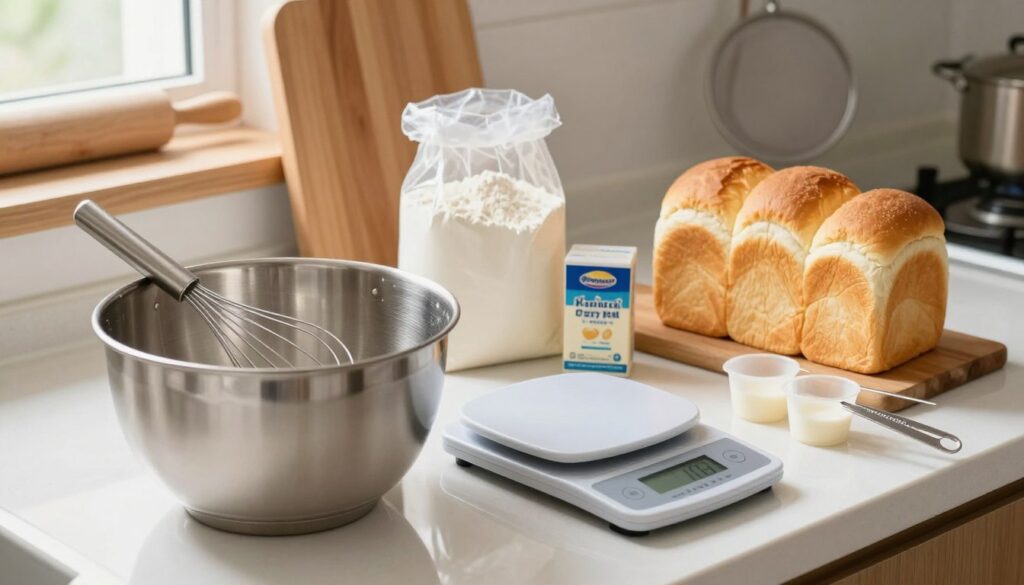
With these tools ready, you can focus on creating soft, fluffy Japanese milk bread. Enjoy the process and the delicious results!
Step by step instructions
Making Japanese milk bread is a delightful experience. Follow these simple steps to create a soft and fluffy loaf. Start with the tangzhong, then prepare the dough, and finally shape your loaves. Each step is crucial for achieving that perfect texture.
Making the tangzhong
The tangzhong is a cooked mixture that helps keep your bread soft. Here’s how to make it:
- In a small saucepan, combine 1/4 cup of bread flour and 1 cup of milk.
- Cook over medium heat, stirring constantly until it thickens to a pudding like consistency.
- Remove from heat and let it cool before using.
Preparing the dough
Next, it’s time to prepare the dough. Follow these steps:
- In a mixing bowl, combine 2 cups of bread flour, 1/4 cup of sugar, 1 teaspoon of salt, and 1 packet of active dry yeast.
- In a separate bowl, mix 1/2 cup of warm milk with the cooled tangzhong.
- Pour the milk mixture into the dry ingredients and mix until combined.
- Knead the dough for about 10 minutes, adding 2 tablespoons of softened butter halfway through.
Shaping the loaves
Once your dough is ready, shape it into loaves:
- Let the dough rise in a warm place for about an hour or until doubled in size.
- Gently punch down the dough and divide it into equal portions.
- Roll each piece into a smooth ball, then flatten and fold to create a loaf shape.
- Place the shaped loaves into greased baking pans.
- Let them rise again for about 30 minutes.
Brush the tops with an egg wash or milk before baking. Bake at 350°F for 25-30 minutes until golden brown. Enjoy your homemade Japanese milk bread!
Tips for perfecting your milk bread
Creating the perfect Japanese milk bread involves a few essential tips. Focus on avoiding common mistakes, mastering kneading techniques, and ensuring proper proofing times. These practices will help you achieve a soft, fluffy loaf with a delightful texture.
Common mistakes to avoid
Many bakers struggle with sticky dough. Resist the urge to add too much flour. The dough should feel tacky but smooth after kneading. This helps maintain the bread’s softness.
Best practices for kneading
Kneading is crucial for developing gluten. Whether you knead by hand or use a mixer, aim for the Windowpane test. This means the dough stretches thin without tearing. A well kneaded dough will yield a better rise and texture.
Ensuring proper proofing times
Proofing times can vary based on temperature. To check if your dough is ready, use the finger indentation test. If the dough springs back slightly, it is ready for baking. Be cautious of over proofing, which can lead to deflation.
Keep these tips in mind while baking. With practice, you will master the art of making Japanese milk bread. Enjoy the process and the delicious results!
Variations of japanese milk bread
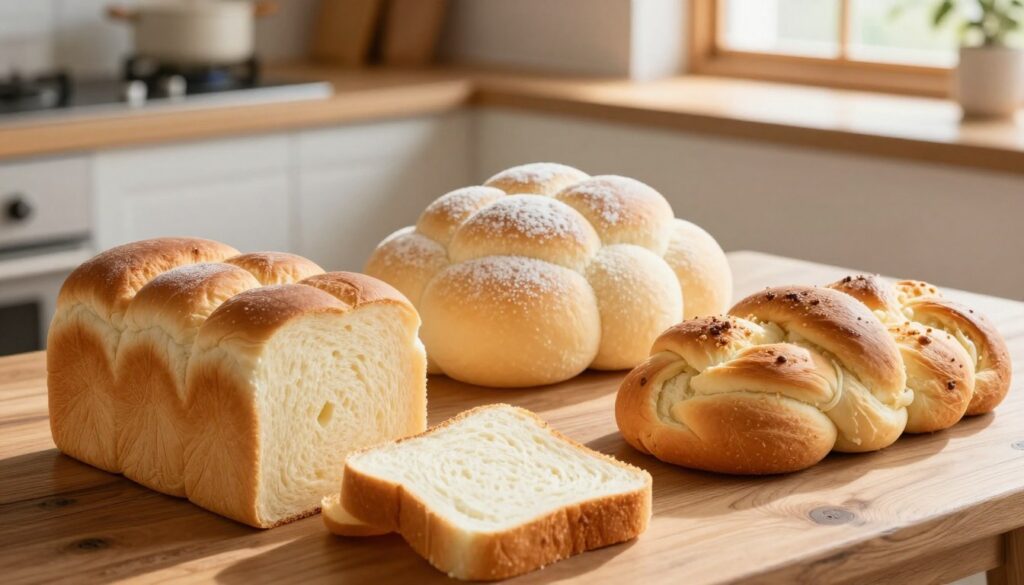
Once you master the classic Japanese milk bread, you can explore exciting variations. These adaptations can cater to your taste preferences, making your baking experience even more enjoyable. You can choose to add sweet ingredients, savory twists, or even create a gluten free version.
Adding sweet ingredients
Transform your milk bread into a delightful treat by incorporating sweet ingredients. Consider these options:
- Raisins for a chewy texture
- Cinnamon sugar for a warm, spiced flavor
- Chocolate chips for a rich, sweet surprise
Savory twists to try
If you prefer savory flavors, try these additions to your dough:
- Scallions for a fresh taste
- Sesame seeds for a nutty crunch
- Shredded cheese for a creamy, savory touch
Gluten free japanese milk bread
For those who need gluten free options, you can adapt the recipe. Keep in mind that the traditional tangzhong method may require adjustments. Look for recipes specifically designed for gluten free flours to ensure the best results.
Storing your japanese milk bread
After you’ve baked your delicious Japanese milk bread, proper storage is key to keeping it fresh and soft. With the right techniques, you can enjoy your bread for days or even months. Here are some best practices for storing your homemade bread.
Best practices for storage
To maintain the quality of your milk bread, follow these simple steps:
- Allow the bread to cool completely before storing.
- Wrap it tightly in an airtight bag or plastic wrap.
- Store at room temperature for up to 2-3 days.
Freezing tips for long term use
If you want to keep your bread for longer, freezing is a great option. Here’s how to do it:
- Slice the bread before freezing for easy access.
- Place slices in sealed freezer bags.
- Store in the freezer for up to 3 months.
How to revive stale bread
Even with the best storage, bread can become stale. To bring back its softness:
- Warm the bread in the oven at 350°F for about 10 minutes.
- Toast slices directly for a quick refresh.
By following these tips, your homemade Japanese milk bread will stay delicious and enjoyable for days. Embrace these storage methods to savor every bite!
Serving suggestions and pairings
Enjoy your homemade Japanese milk bread in various delightful ways. Its soft and fluffy texture pairs wonderfully with different spreads and meals. Here are some tasty suggestions to elevate your bread experience.
Best spreads for milk bread
Spread your favorite toppings on a slice of milk bread for a delicious treat. Consider these options:
- Butter – A classic choice that melts beautifully.
- Jam – Choose your favorite fruit flavor for a sweet touch.
- Nutella – Indulge in this chocolate-hazelnut spread for a rich taste.
Creative ways to use leftovers
Don’t let leftover milk bread go to waste. Get creative with these ideas:
- Make Japanese egg salad sandwiches for a savory snack.
- Transform slices into French toast for a comforting breakfast.
- Use bread for bread pudding or croutons in salads.
Ideal beverages to serve
Pair your milk bread with a warm beverage to complete your meal. Here are some great options:
- Tea – A soothing choice for any time of day.
- Coffee – Enjoy a robust flavor that complements the bread.
- Milk – A classic pairing that enhances the bread’s sweetness.
Troubleshooting common issues
Baking Japanese milk bread can be a delightful experience, but sometimes things don’t go as planned. If you encounter issues like dough not rising, a thick crust, or dense bread, don’t worry. Here are some common problems and their solutions to help you achieve that perfect loaf.
Dough not rising?
If your dough isn’t rising, check the following:
- Inactive yeast: Make sure your yeast is fresh. Activate it in warm milk before mixing.
- Cold dough: Ensure your proofing area is warm. A cold environment can slow down yeast activity.
Crust too thick?
A thick crust can result from a few factors. Consider these tips:
- Oven temperature: Baking at too high a temperature can cause the crust to harden. Lower the heat slightly.
- Egg wash: If you use an egg wash, it may brown too quickly. Try a milk wash for a softer finish.
Bread too dense?
If your bread turns out dense, you might be facing these issues:
- Insufficient kneading: Knead the dough until it is smooth and passes the Windowpane test.
- Under proofing: Allow the dough to double in size before baking. This step is crucial for light and airy bread.

By addressing these common issues, you can enhance your baking skills and enjoy delicious, fluffy Japanese milk bread every time.
Nutritional information
Understanding the nutritional profile of Japanese milk bread helps you appreciate its benefits. This bread is not just delicious; it offers several nutrients that can contribute to a balanced diet. Below is a breakdown of calories and nutrients found in this delightful treat.
Breakdown of calories and nutrients
Each slice of Japanese milk bread typically contains around 100-150 calories, depending on the thickness. The main ingredients contribute to its nutritional value:
- Flour: Provides carbohydrates for energy.
- Milk: Adds protein and calcium.
- Eggs: Offer essential vitamins and additional protein.
- Butter: Contributes healthy fats that enhance flavor and texture.
Health benefits of ingredients
Homemade Japanese milk bread has advantages over store-bought options. You can control the ingredients, avoiding preservatives and additives. Here are some health benefits:
- Rich in protein from milk and eggs.
- Calcium supports bone health.
- Healthy fats from butter promote heart health.
Serving size recommendations
Enjoy your Japanese milk bread in moderation. A serving size of one or two slices fits well within a balanced diet. Pair it with fruits or spreads for a nutritious meal or snack.
| Ingredient | Calories per slice | Nutrients |
|---|---|---|
| Flour | 70 | Carbohydrates |
| Milk | 30 | Protein, Calcium |
| Eggs | 20 | Protein, Vitamins |
| Butter | 50 | Healthy Fats |
Conclusion: embrace homemade japanese milk bread
Baking your own Japanese milk bread is more than just following a recipe. It’s a delightful journey into the world of traditional Asian baking. Each step brings you closer to creating a soft, fluffy loaf that can rival any bakery. This experience is not only rewarding but also enriches your skills in the kitchen.
If you are new to baking, don’t let sticky dough or unfamiliar techniques intimidate you. With a little patience and practice, you will find yourself mastering this delicious bread. The joy of pulling a freshly baked loaf from the oven is unmatched, and it can inspire you to explore even more baking adventures.
We encourage you to share your baking stories, tips, and photos with others. Connecting with fellow bread lovers can enhance your experience and inspire creativity. Embrace the art of homemade Japanese milk bread and enjoy every moment of this wonderful culinary journey.
FAQ
Can I make this recipe vegan?
Yes, you can make this Japanese milk bread recipe vegan by substituting dairy milk with plant-based milk and replacing butter with vegan margarine or oils. Just keep in mind that the texture may vary slightly.
How long does it take to make?
The entire process, including making tangzhong, kneading, proofing, and baking, takes about 4 to 5 hours. However, most of this time is inactive proofing time, allowing you to multitask while waiting.
What’s the best way to knead by hand?
If kneading by hand, expect to spend about 12-15 minutes developing gluten. Use a folding and stretching technique to build strength without overworking the dough.
Why is my dough not rising?
If your dough isn’t rising, it could be due to inactive yeast or the dough being too cold. Always activate your yeast in warm milk and ensure your proofing environment is warm enough for optimal rising.
What should I do if my crust is too thick?
A crust that’s too thick may result from baking at too high a temperature or using an egg wash that browns too quickly. Try lowering the oven heat or using a milk wash for a softer crust.
How can I prevent my bread from being too dense?
Dense bread often indicates under-kneading or insufficient proofing time. Make sure to knead until the dough is smooth and passes the Windowpane test, and allow the dough to double in size before baking.
What’s the best way to store my Japanese milk bread?
Once cooled completely, wrap the bread tightly in an airtight bag or plastic wrap and keep it at room temperature for up to two days. For longer storage, slice the bread and freeze it in sealed bags for up to three months.
How do I revive stale bread?
To revive slightly stale bread, warming it briefly in the oven or toaster can restore softness and flavor, making it enjoyable again.
Can I add flavors to my milk bread?
Absolutely! You can experiment with sweet additions like raisins, cinnamon, or chocolate chips, or savory twists like scallions, sesame seeds, or shredded cheese to customize your bread.
What type of flour should I use?
While bread flour is traditionally used for its higher protein content, all-purpose flour can also yield a soft and fluffy loaf, making this recipe accessible for most home bakers.
Your email will not be published publicly.