
Best almond tart recipe for a delicious dessert treat
Did you know that over 80 percent of the world’s supply of a specific Mediterranean nut comes from a single region in California? This incredible ingredient is the secret behind the most iconic French pastries you see in high end shops.
You can bring that same sophisticated elegance into your own kitchen today. The classic French frangipane creation looks like a masterpiece from a charming Parisian bakery, yet it remains surprisingly simple to master.
This almond tart combines a buttery, crisp crust with a rich, nutty filling that melts in your mouth. You do not need professional training to achieve these professional results.
Our easy almond tart recipe proves that fancy desserts are accessible for bakers of all skill levels. Whether you are hosting a dinner party or simply craving a sweet afternoon snack, this treat offers a memorable experience that your guests will absolutely love.
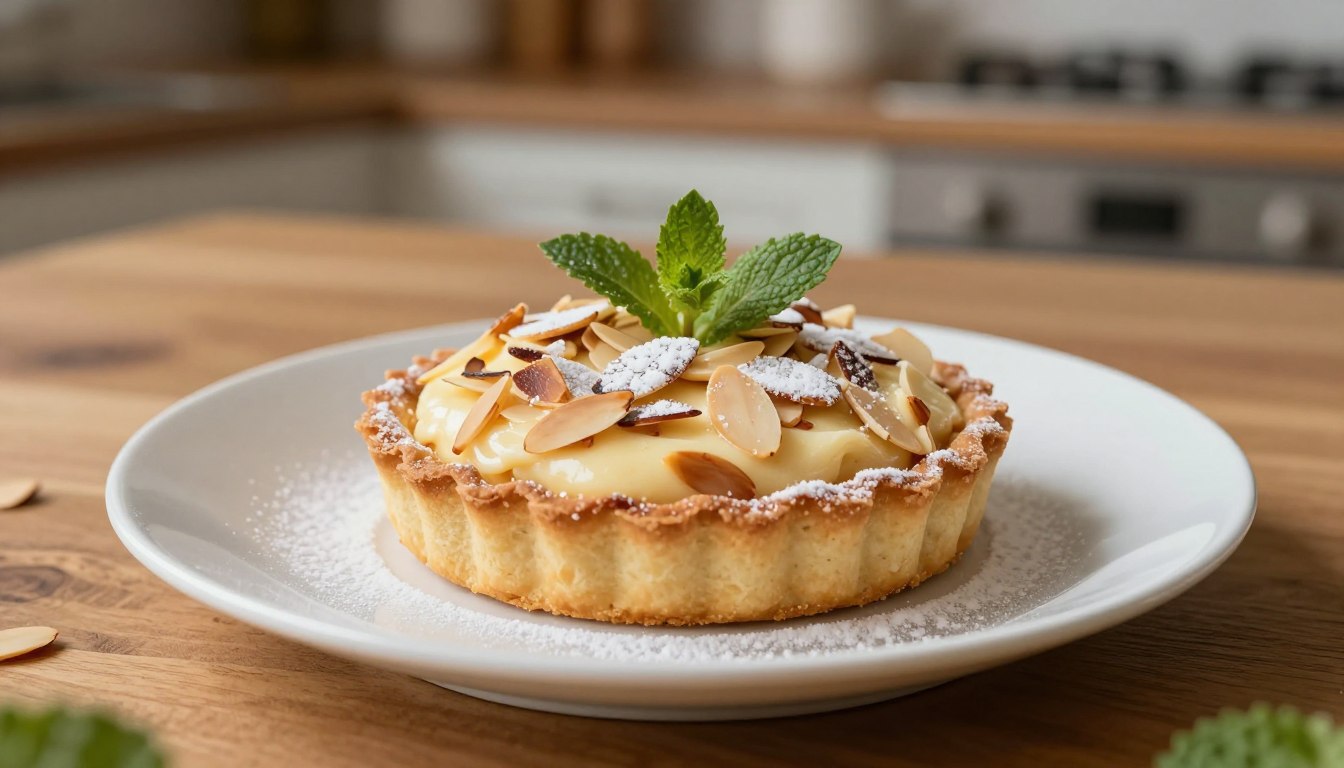
That sophisticated elegance you see behind the glass in Parisian pâtisseries the golden tarts with their perfectly crisp shells and silky almond centers dusted with powdered sugar and crowned with a single berry is closer to your own kitchen than you might think. The almond tart is one of the most iconic French pastries precisely because it requires almost nothing: butter, sugar, eggs, almond flour, and a technique that takes about ten minutes to learn and a lifetime to appreciate.
The frangipane is where the magic lives. That rich, nutty filling puffed slightly in the oven and settled into a golden, slightly chewy center by the time it cools is what separates this tart from every other pastry on the dessert table. The five secrets covered in this recipe are all about protecting that texture: the almond flour ratio that keeps it moist without being dense, the butter temperature that prevents graininess, the blind bake timing that keeps the shell crisp under the wet filling, the mixing technique that keeps air in the batter for that characteristic slight puff, and the cooling window that lets the filling set cleanly before you slice.
The result is a tart that looks professionally made, tastes unmistakably French, and requires no professional training whatsoever just patience, quality butter, and good almond flour.
If you love French style nut based tarts, our Plum Tart uses the same frangipane base with seasonal fruit pressed into the filling before baking a stunning summer companion to this classic. For a smaller, more rustic individual portion format, our Pecan Tarts apply the same buttery tart shell technique to a rich American filling that pairs beautifully alongside this French almond tart on any mixed dessert table.
This recipe is also part of our complete French pastry recipes guide — 25 classic French desserts to master at home.
For the most detailed and tested almond tart technique including the exact almond flour ratio for both the crust and filling, the glaze timing, and the mini versus full size conversion King Arthur Baking’s Mini Almond Tarts recipe is the most reliable professional reference available 39 reviews, 4.7 stars, developed by Charlotte Rutledge of the King Arthur test kitchen.
Buttery shell. Silky frangipane. 5 secrets between you and the most elegant French tart you have ever made. Scroll down — the recipe is ready.
What makes almond tart a perfect dessert?
There is something truly magical about the way an almond tart transforms simple ingredients into a gourmet experience. Whether you are hosting a dinner party or simply craving a sweet treat, this dessert offers a sophisticated balance that satisfies every palate. Its combination of a crisp, buttery crust and a soft, nutty center creates a sensory delight that is hard to beat.
Flavor profile of almond tart
The secret to this dessert lies in the frangipane, a classic pastry filling that serves as the heart of any traditional almond tart. This velvety mixture combines butter, sugar, eggs, almond flour, and a splash of vanilla extract to create a rich, complex flavor. You will find that the natural sweetness of the almonds provides a perfectly balanced base that never feels overly sugary.
Because of its subtle profile, this filling acts as a versatile canvas for your culinary creativity. It pairs beautifully with the tartness of seasonal fruits like raspberries, pears, or apricots. This adaptability is exactly why bakers consider it a secret weapon for creating professional grade pastries right in your own kitchen.
The allure of almonds in baking
Almonds bring a unique depth to baking that few other nuts can replicate. Their distinct, earthy aroma and slightly sweet undertone elevate a simple almond tart into something truly memorable. When ground into fine flour, they provide a moist, dense texture that feels luxurious with every single bite.
Choosing a traditional almond tart means you are opting for a timeless classic that celebrates the natural quality of its ingredients. The nutty richness of the almonds lingers on the tongue, making it an elegant choice for any occasion. Once you master this recipe, you will understand why it remains a beloved favorite for dessert lovers everywhere.
Essential ingredients for an almond tart
Gathering the right supplies is the first step toward crafting a professional grade almond tart in your own kitchen. When you focus on high quality pantry staples, you ensure that every bite of your dessert is packed with rich, nutty goodness. Whether you are aiming for a traditional recipe or a gluten free almond tart, the foundation of your success lies in the quality of your ingredients.
Key components to consider
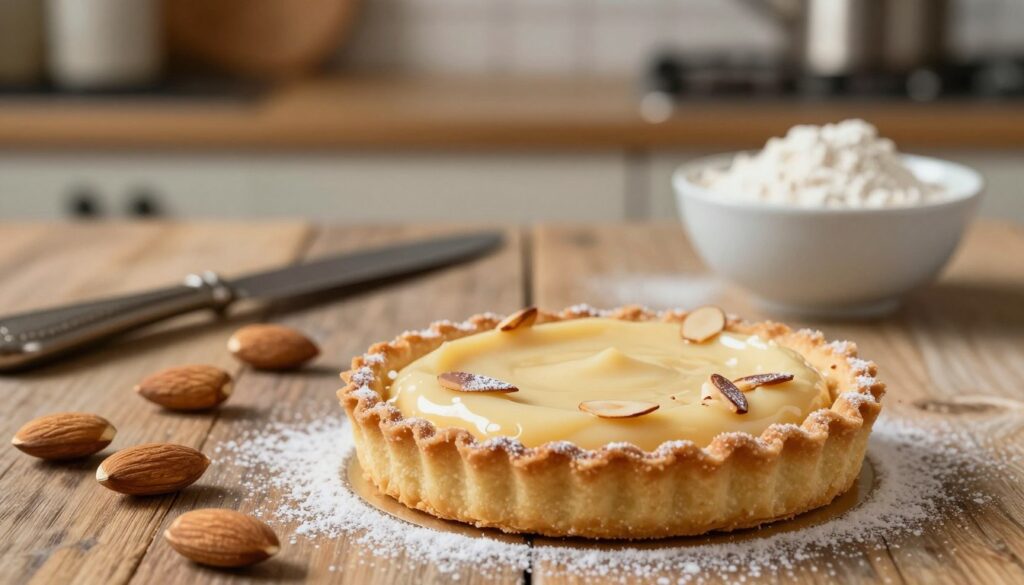
The base of your almond tart crust requires reliable fats and flours. Using high quality, unsalted butter provides a rich flavor that complements the nuttiness of the almonds. If you prefer a gluten free version, a high quality gluten free all purpose flour blend works wonders to maintain the structural integrity of the pastry.
Understanding the difference between almond products is essential for your success. Almond flour consists of finely ground blanched almonds, which creates a smooth, delicate texture. In contrast, almond meal is coarser because it includes the brown skin of the almonds, adding a rustic charm to your almond tart filling.
| Ingredient type | Texture | Best use |
|---|---|---|
| Almond Flour | Fine and smooth | Delicate crusts and smooth fillings |
| Almond Meal | Coarse and rustic | Hearty fillings and textured crusts |
| Gluten Free Blend | Variable | Binding the tart dough |
Specialty ingredients for enhanced flavor
To elevate your dessert, consider adding specialty ingredients that bring depth to your almond tart. A splash of pure almond extract can intensify the natural nuttiness, while a pinch of sea salt balances the sweetness of the sugar. You might also experiment with high quality vanilla bean paste for a sophisticated aromatic profile.
Do not overlook the impact of fresh citrus zest or a hint of warm spices like cinnamon or cardamom. These small additions transform a simple almond tart filling into a memorable culinary experience. By selecting premium ingredients, you guarantee that your homemade treat will impress everyone at your table.
Step by step instructions for baking an almond tart
If you want to impress your guests, learning the proper technique for a homemade almond tart is the perfect place to start. To achieve a professional presentation, you should use a 9 or 10 inch tart pan with a removable bottom. This specific tool ensures your creation releases cleanly without breaking the delicate edges.
Preparing the tart crust
The foundation of any great almond tart recipe is a buttery, crisp crust. A press in shortbread style is ideal because it requires no rolling or chilling time. Simply press the dough evenly into the bottom and up the sides of your pan using your fingertips.
Making the almond filling
For the filling, you will create a classic frangipane that offers a rich, nutty flavor. It is essential to mix your ingredients until the batter is smooth and fully emulsified. This technique ensures that the filling puffs up beautifully while baking, creating a light and airy texture.
Assembling and baking the tart
Once your crust is ready, spread the almond mixture evenly across the base. Bake the tart until the top turns a gorgeous golden brown color. This visual cue indicates that your homemade almond tart is perfectly cooked and ready to cool.
| Baking stage | Key action | Desired result |
|---|---|---|
| Crust Prep | Press dough firmly | Even, sturdy base |
| Filling Mix | Emulsify batter | Smooth, creamy texture |
| Final Bake | Monitor color | Golden brown finish |
Following this reliable almond tart recipe will help you achieve consistent results every time you bake. Remember to let the tart cool completely before removing the pan sides to maintain its structural integrity.
Tips for achieving a perfect almond tart
Mastering the art of a homemade almond tart requires a few professional secrets that anyone can learn. By paying close attention to your ingredients and handling your dough with care, you can ensure a dessert that looks and tastes like it came from a high end bakery.
Ensuring a flaky crust
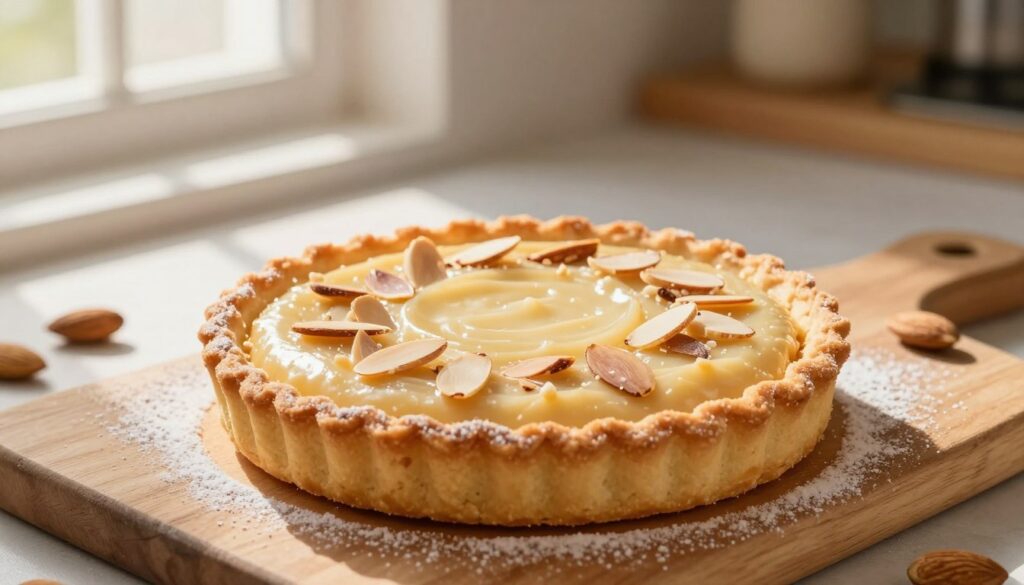
The secret to a truly exceptional almond tart crust lies in the temperature of your ingredients. You should always use frozen butter when preparing your dough.
As the butter melts in the oven, it creates tiny pockets of steam that push the layers of flour apart. This process is what gives your crust that signature crispy and flaky texture you crave. Be sure to handle the dough gently and avoid overworking it, as this keeps the butter cold and the pastry tender.
Achieving the right texture for the filling
Once your base is ready, your focus should shift to the almond tart filling. A common goal is to achieve a texture that is perfectly smooth, creamy, and set just right.
If you find your mixture is too thin, ensure your eggs are at room temperature before whisking them into the almond base. Consistency is key, so avoid over mixing the ingredients, which can incorporate too much air and lead to an uneven rise. By following these simple steps, you will consistently produce a dessert that is both beautiful and delicious.
Serving suggestions for almond tart
Transforming a simple almond tart into a gourmet masterpiece is all about the final presentation. While the tart is delicious on its own, selecting the right almond tart toppings can elevate the experience for your guests. A simple shower of powdered sugar is a classic, elegant garnish that highlights the golden color of the baked almonds.
Pairing with ice cream or whipped cream
The rich, nutty profile of the frangipane filling pairs beautifully with cool, creamy elements. A generous scoop of vanilla bean ice cream provides a refreshing contrast to the warm, dense texture of the tart. If you prefer something lighter, a dollop of freshly whipped cream infused with a hint of almond extract works wonders.
You might also consider a dollop of mascarpone cheese for a sophisticated twist. This creamy addition balances the sweetness of the almond filling perfectly. These almond tart toppings ensure that every bite feels balanced and indulgent.
Serving with fresh fruits or sauces
To cut through the natural richness of the almond base, try incorporating bright, acidic elements. Fresh strawberries, blueberries, or sliced peaches add a vibrant pop of color and a necessary tartness to the plate. These fruits act as a palate cleanser, making the dessert feel much lighter after a heavy meal.
For a more refined presentation, consider drizzling a tart raspberry or apricot coulis over the plate. You can arrange the fruit in a circular pattern around the slice to make it the centerpiece of your dinner party. Using these almond tart toppings allows you to customize the dessert to match the season or your specific event theme.
Flavor variations of almond tart
Your kitchen can become a laboratory for delicious innovation once you start playing with various flavor profiles. After mastering the foundational recipe, you have the freedom to customize your dessert to match the season or your personal cravings. Exploring different almond tart variations allows you to keep your baking repertoire fresh and exciting for every guest.
Adding fruits or nuts for texture
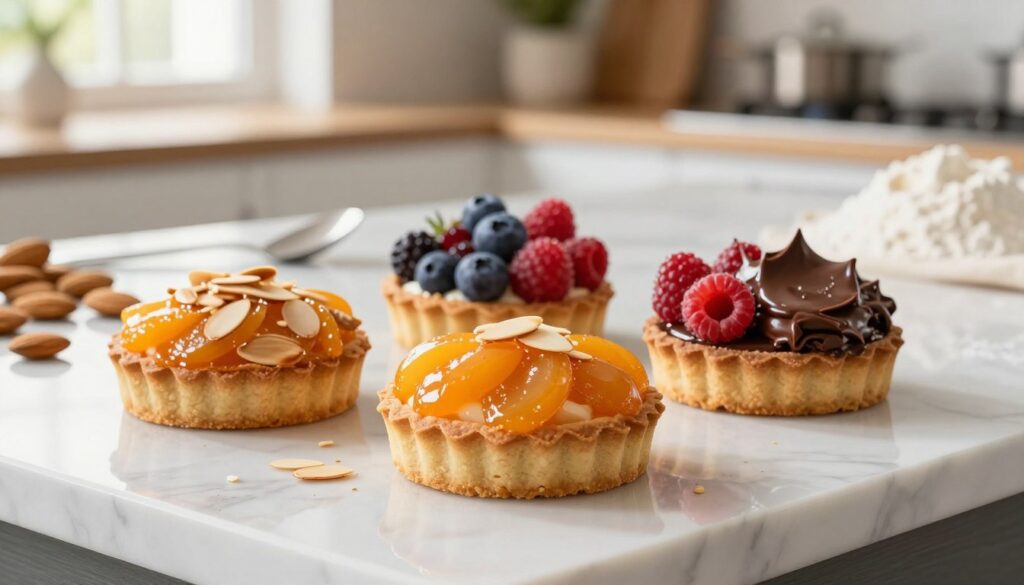
One of the most effective ways to elevate your dessert is by incorporating a layer of thick fruit jam. Spreading a generous amount of sour cherry or raspberry preserves under the filling transforms your treat into a classic British style Bakewell tart. This simple addition provides a delightful contrast between the sweet, nutty almond base and the tart fruit notes.
You can also experiment with various almond tart toppings to add a satisfying crunch to every bite. Consider these popular additions to enhance your next creation:
- Toasted slivered almonds for extra nuttiness.
- Fresh seasonal berries like blueberries or blackberries.
- A light dusting of powdered sugar for an elegant finish.
- Crushed pistachios for a vibrant pop of color and texture.
Infusing different flavor profiles
Beyond physical additions, you can infuse the filling itself with unique extracts or spices to change the character of the dish. A splash of vanilla bean paste or a hint of almond extract can deepen the existing flavors significantly. If you prefer something more aromatic, try adding a teaspoon of lemon zest or a pinch of ground cardamom to the mixture.
These subtle changes ensure that your almond tart variations never feel repetitive. Whether you choose to highlight citrus notes or warm, earthy spices, your guests will appreciate the thoughtful complexity in every slice. Feel free to rotate these ingredients throughout the year to celebrate the best flavors of each season.
Storing and freezing almond tart
Proper storage ensures that your hard work in the kitchen pays off with every single bite. Whether you are preparing a gluten free almond tart for a future event or simply saving leftovers, following the right steps will maintain its delicious texture and flavor.
Best practices for storage
If you plan to eat your dessert within a day, keeping it at room temperature is perfectly fine. Simply place the tart in an airtight container or cover it loosely with plastic wrap to keep it fresh.
For longer storage, the refrigerator is your best friend. Always ensure the tart is completely cool before covering it, as trapped steam can make the crust soggy. Proper wrapping prevents the dessert from absorbing unwanted odors from other items in your fridge.
How to freeze and reheat almond tart
Freezing is an excellent way to enjoy your treat weeks after baking. To freeze effectively, wrap the tart tightly in multiple layers of plastic wrap followed by a layer of aluminum foil to prevent freezer burn.
When you are ready to serve, thaw the tart in the refrigerator overnight. For the best results, warm it in a low temperature oven for about ten minutes to restore that delightful, crisp texture you love.
| Storage Method | Temperature | Maximum Duration | Best For |
|---|---|---|---|
| Room Temperature | 68°F – 72°F | 24 Hours | Immediate consumption |
| Refrigerator | 35°F – 40°F | 5 Days | Short term freshness |
| Freezer | 0°F or below | 3 Months | Gluten free almond tart |
Common mistakes to avoid when making almond tart
Avoiding common pitfalls is the secret to mastering your kitchen skills. Even when you follow a recipe closely, small errors can impact the final result of your homemade almond tart. By learning how to spot these issues early, you can ensure your dessert turns out perfectly every time.
Overworking the dough
One of the most frequent mistakes involves handling the pastry crust too much. When you knead or roll the dough excessively, you develop the gluten, which leads to a tough and chewy texture instead of a delicate, flaky finish. Always aim to handle the dough as little as possible to keep the butter cold and the structure light.
If you find the dough becoming too soft or sticky, place it back in the refrigerator for a few minutes. This simple step helps the fats firm up, making the crust much easier to manage. Patience is your best tool when working with delicate pastry.
Ignoring texture and flavor balance
The filling, often known as frangipane, requires careful attention to ingredient temperatures. If your batter looks lumpy or curdled, it is likely because the eggs were too cold when added to the butter and sugar mixture. Always ensure your ingredients are at room temperature before you begin mixing to maintain a smooth, stable emulsion.
Furthermore, balance is essential for a high quality homemade almond tart. If the filling is too sweet, it can mask the delicate, nutty profile of the almonds. Taste your mixture before baking to ensure the flavors are harmonious and well rounded. Small adjustments at this stage can make a world of difference in your final presentation.
Celebrating occasions with almond tart
Baking a dessert brings a special warmth to any gathering. Whether you host a holiday dinner or a casual afternoon tea, a traditional almond tart serves as the perfect centerpiece. Its rich history, including the famous Bakewell tart from Derbyshire, England, adds a layer of charm to your table.
Ideal times to serve your almond tart
You can elevate birthday parties or weekend brunches by featuring this nutty delight. Guests appreciate the balance of a buttery crust and a sweet, dense filling. This dessert remains a reliable choice for any season because it pairs well with both hot coffee and chilled beverages.
Creative presentation ideas for special events
Presentation turns a simple pastry into a memorable experience. Dust your traditional almond tart with powdered sugar or arrange fresh berries in a circular pattern to highlight the golden crust. You might add a sprig of mint for a pop of color that catches the eye. Your guests will admire the effort you put into such a refined treat. Master these techniques to ensure your baking skills shine at every event you host.
FAQ
Flavor Profile of Almond Tart
When you take your first bite, you will experience a velvety smooth texture paired with a deep, toasted nuttiness. The subtle sweetness of almonds provides a versatile base that isn’t overpowering, making it a favorite for those who appreciate balanced desserts.
The Allure of Almonds in Baking
The secret weapon of this dish is the frangipane. This almond-based cream is a staple for professional bakers because it puffs up beautifully, creating a light yet indulgent center that pairs perfectly with a crisp shortbread crust.
Key Components to Consider
To construct the perfect homemade almond tart, you need quality pantry staples. We recommend using a gluten-free all-purpose flour blend, such as King Arthur Measure for Measure, to ensure your almond tart crust is accessible to everyone without sacrificing that essential buttery snap.
Specialty Ingredients for Enhanced Flavor
The distinction between almond flour and almond meal is vital for your almond tart filling. For a refined, golden finish, use blanched almond flour like Blue Diamond. Additionally, a touch of high-quality almond extract from Nielsen-Massey can significantly elevate the aromatic profile of your tart.
Preparing the Tart Crust
You will start by creating a simple press-in shortbread crust. This method is much easier than rolling out dough and ensures an even, golden base that holds the frangipane perfectly.
Making the Almond Filling
When mixing your filling, the goal is a smooth, emulsified batter. You will cream your Land O’Lakes butter with sugar before adding eggs and almond flour, ensuring the mixture is aerated enough to rise slightly during the baking process.
Assembling and Baking the Tart
Once your crust is par-baked and cooled, spread the filling evenly. You will bake the tart until the top is a beautiful golden-brown and the center feels set but slightly springy to the touch.
Ensuring a Flaky Crust
The temperature of your ingredients is your best friend. You must keep your butter cold and handle the dough gently to avoid overworking it, which is the key to maintaining a tender, melt-in-your-mouth almond tart crust.
Achieving the Right Texture for the Filling
If your filling looks curdled, don’t panic! You can usually fix this by adding a tablespoon of your flour blend to help the emulsion come back together, ensuring your traditional almond tart remains creamy and smooth.
Pairing with Ice Cream or Whipped Cream
To balance the richness of the almonds, you can serve a slice with a dollop of unsweetened whipped cream or a scoop of Haagen-Dazs Vanilla Bean ice cream. The cold creaminess highlights the warmth of the tart.
Serving with Fresh Fruits or Sauces
Various almond tart toppings like fresh raspberries, sliced peaches, or a tart apricot glaze can cut through the sweetness. These additions make your dessert the stunning centerpiece of any dinner party.
Adding Fruits or Nuts for Texture
Once you master the base, try almond tart variations by layering thin slices of pear or apple on top of the filling before baking. You can also sprinkle Fisher Nuts sliced almonds on top for extra crunch.
Infusing Different Flavor Profiles
You can customize your almond tart recipe for different seasons. Consider adding orange zest for a citrusy twist or a layer of dark chocolate ganache at the bottom for an ultra-decadent treat.
Best Practices for Storage
To keep your homemade almond tart fresh, wrap it tightly in Glad Press’n Seal and store it in the refrigerator. It will maintain its flavor and texture for up to three days.
How to Freeze and Reheat Almond Tart
This tart freezes exceptionally well. You can freeze the entire tart or individual slices for up to two months. When you’re ready for a treat, thaw it in the fridge and give it a quick warm-up in the oven to restore the crust’s crispness.
Overworking the Dough
One of the biggest pitfalls is over-mixing the crust. This develops too much structure, leading to a hard base. You want to mix just until the ingredients come together for that perfect, short texture.
Ignoring Texture and Flavor Balance
Ensure you don’t over-bake the filling. If the almond tart filling becomes too dry, it loses its signature velvety feel. Watch for that perfect golden hue to know exactly when to pull it from the oven.
Ideal Times to Serve Your Almond Tart
Whether it is a holiday celebration, a birthday, or a casual afternoon tea, the traditional almond tart is always appropriate. Its understated elegance makes it suitable for both formal and informal gatherings.
Creative Presentation Ideas for Special Events
For a professional look, dust the edges with Domino powdered sugar and serve on a clean white platter. Your guests will be impressed by the sophisticated appearance and the incredible homemade flavor you’ve created.
Can I make a gluten-free almond tart that still tastes professional?
Yes! By using a high-quality gluten-free all-purpose flour blend like Bob’s Red Mill 1-to-1, you can create a gluten-free almond tart that has the same buttery, crisp texture as a traditional version.
What are the best almond tart toppings for a summer gathering?
For a fresh seasonal touch, top your homemade almond tart with fresh strawberries, blueberries, or a light glaze made from Bonne Maman apricot preserves to add a beautiful shine and a hit of acidity.
Is there a difference between using almond flour and almond meal in the almond tart filling?
For a traditional almond tart, blanched almond flour is preferred because it results in a smoother, more delicate frangipane. Almond meal includes the skins, which gives the almond tart filling a coarser, more rustic texture and a darker color.
How can I prevent my almond tart crust from shrinking during baking?
To ensure your almond tart crust stays in place, make sure to chill the dough thoroughly before it goes into the oven. Using pie weights or dried beans on top of parchment paper during the initial par-bake also helps maintain its shape.
What are some popular almond tart variations for the winter holidays?
You can adapt your almond tart recipe for the holidays by adding warm spices like cinnamon or nutmeg to the almond tart filling, or by layering whole cranberries on top for a festive, tart contrast to the sweet frangipane.
Your email will not be published publicly.