
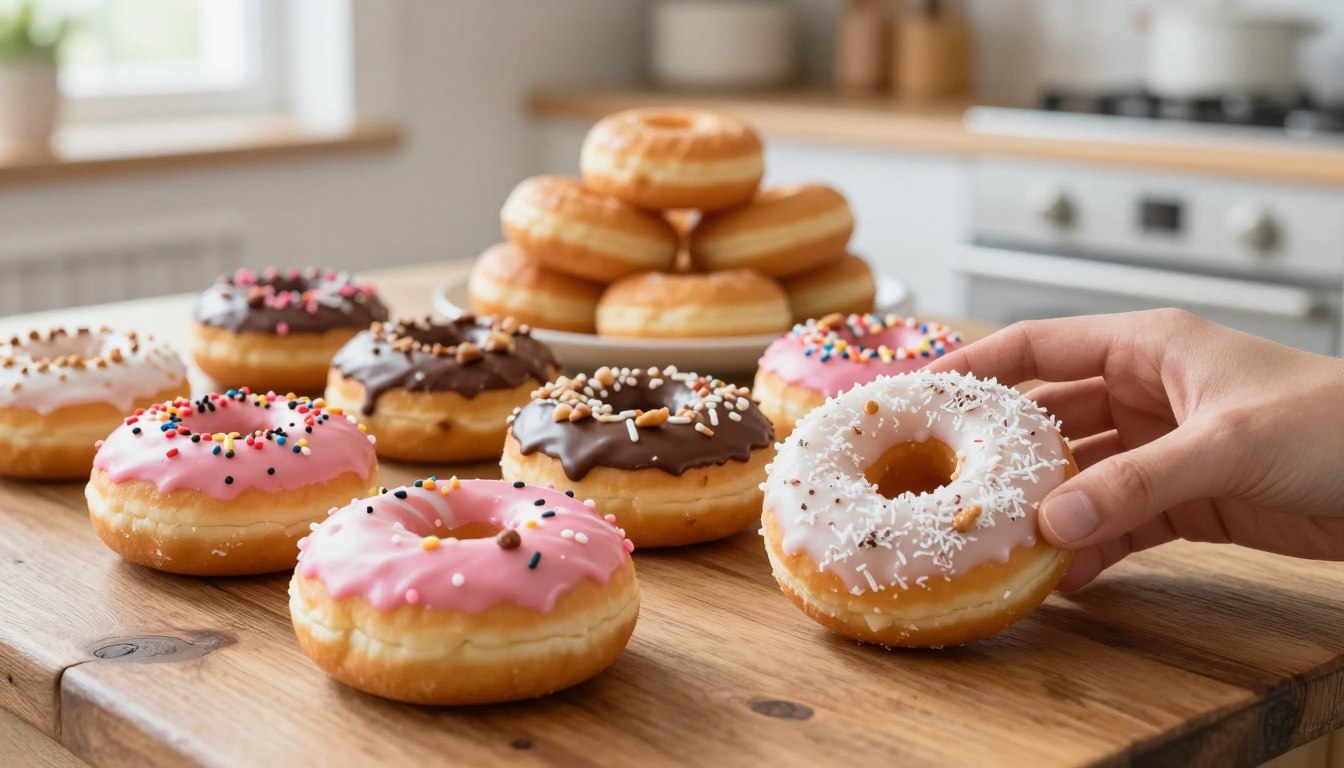
Easy donut recipe without yeast: A Simple Recipe
emember that sudden craving for something sweet on a lazy Sunday morning? You want a warm, fluffy pastry, but the thought of waiting hours for dough to rise feels like too much. That familiar dilemma is exactly why this guide exists.
What if you could make incredible fried treats from scratch in well under an hour? This method delivers just that, bypassing the need for proofing altogether. It’s a straightforward approach perfected for home bakers.
Recently improved and updated on 5/11/2025 with new photography and pro tips, this guide is your blueprint. You’ll learn to create a professional quality dessert that rivals any bakery find. The result is a reliably delicious snack, ready when you are.
Whether you’re new to baking or a seasoned cook, this process is wonderfully approachable. Get ready to fill your kitchen with the irresistible aroma of success.
Introduction and Benefits
A craving for homemade fried sweets doesn’t have to mean a half-day project. This guide focuses on a method that delivers fantastic results in a fraction of the time. You get from mixing bowl to finished treat in well under an hour.
Why You’ll Love a No Yeast Donut Recipe
You bypass the proofing stage entirely. This saves significant time compared to traditional techniques. Your fresh pastries are ready when a sudden dessert craving strikes.
It’s perfect for busy mornings or spontaneous baking. You enjoy consistent, delicious results every single time. The chemical leavening agents work reliably, removing guesswork.
The Quick, Fluffy Results You Can Expect
The texture is consistently soft and satisfyingly cakey. Many people prefer this bite over airy, yeasted varieties. Your kitchen will smell amazing, and you’ll have a plate of warm treats fast.
This approach is wonderfully straightforward. It’s designed for success whether you’re new to baking or a pro. You can expect a fluffy rise and golden perfection with each batch.
| Feature | No-Yeast Method | Traditional Yeast Method |
|---|---|---|
| Total Time | Under 1 hour | 2+ hours (with proofing) |
| Primary Texture | Soft, cakey | Airy, bread-like |
| Rise Reliability | Very high (chemical leavening) | Variable (depends on yeast activity) |
| Ideal For | Busy mornings, instant cravings | Planned baking, weekend projects |
Essential Tools and Key Ingredients
The foundation of any great baked good lies in the quality of its components. Having the correct ingredients and equipment ready streamlines your process. This preparation is key for consistent, delicious results.
Must-Have Kitchen Tools for Donut Making
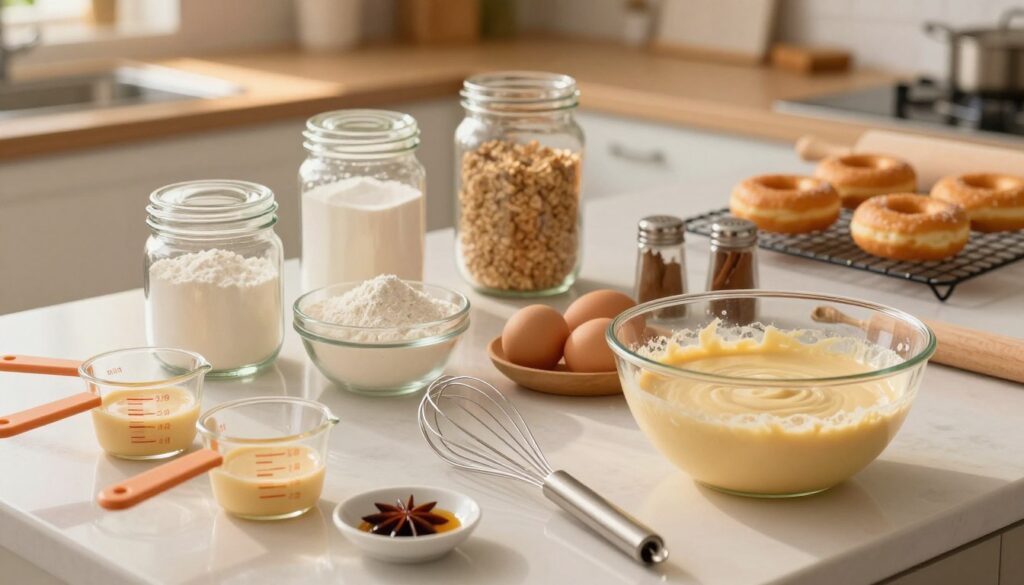
You need a few basic tools. A sturdy mixing bowl is crucial for combining your dry and wet elements. A proper dough cutter creates the classic ring shape.
If you lack a specialized cutter, a drinking glass and a small cap work well. You also need a reliable surface for rolling. These simple items make your baking session smooth.
- f you love easy dessert ,don’t miss our Pistaschio frangipane tart recipe,strawberry mille feuille recipe .
- learn more in wikipedia .
Ingredients, Substitutes, and the Role of Baking Powder
Your dry ingredients are simple: all-purpose flour, sugar, and baking powder. The baking powder is non-negotiable. It provides the chemical lift for a light, airy texture.
For wet ingredients, you’ll need milk and butter. If fresh milk isn’t available, use powdered milk mixed with water. High-quality unsalted butter offers the best flavor.
You can personalize your batch. Add a dash of nutmeg or cinnamon for a warm spice note. This flexibility lets you tailor the treat to your taste.
| Standard Ingredient | Possible Substitute | Note for Success |
|---|---|---|
| Fresh Milk | 1/4 cup milk powder + 1/2 cup water | Mix thoroughly before adding to wet ingredients. |
| Unsalted Butter | Salted Butter | Reduce any added salt in your dry mix by half. |
| Granulated Sugar | Light Brown Sugar | Will add a slight molasses flavor and moisture. |
| All-Purpose Flour | Pastry Flour | Creates an even more tender, cakey crumb. |
Preparing the Fluffy Dough
Crafting a light, tender treat hinges on your initial mixing technique. This stage sets the foundation for everything that follows. Handle your dough with care to ensure a soft, cakey result.
Mixing Dry and Wet Ingredients Effectively
Begin by combining all your dry ingredients in one bowl. This includes flour, sugar, and leavening agents. In a separate container, whisk together the milk, melted butter, and any extracts.
Pour the wet mixture into the dry ingredients. Stir gently until a shaggy dough just comes together. Overmixing at this point is your main enemy; it leads to toughness.
Tips for Achieving a Soft, Cakey Texture
Your handling method directly impacts the final crumb. Follow these guidelines for the best texture:
- Minimize kneading. Gently press the dough together on a floured surface. Just 4-5 folds are enough to create a cohesive mixture.
- Roll the batch to a consistent 1/2-inch thickness. This allows for an even, fluffy rise during cooking.
- If the dough feels sticky, dust your hands and surface lightly with flour. Avoid working in too much extra flour, as it can dry out the pastry.
- The butter and milk work to tenderize the crumb. For a warm, aromatic note, consider adding a pinch of nutmeg or another nut-based spice.
With these steps, you’ll create a perfect base for your homemade pastries. The texture will be delightfully soft and satisfying.
Step by Step Donut Making Instructions
Now comes the fun part: shaping your prepared mixture into those classic, ring-shaped treats. This phase is where your project becomes real. You’ll see your soft dough transform into perfect circles.
It’s a straightforward process that yields delicious results. Follow these steps for a smooth experience from counter to fryer.
Rolling, Cutting, and Shaping the Dough
Lightly flour your work surface. Roll the dough out to a consistent half-inch thickness. This ensures even cooking and a fluffy texture.
Use a three-inch cutter to press out your circles. You should get about twelve donuts from one batch. Immediately set aside the leftover scraps.
For the center hole, a one-inch cutter works perfectly. This maintains the classic shape. Gently re-roll the scraps you set aside to make more.
Handle the dough gently to avoid toughness. Let the shaped donuts rest on the floured surface for a few minutes. This brief pause helps them hold their form.
Setting Up Your Workstation for Success
Organization is key for a clean kitchen. Place a wire rack over a large baking sheet or tray. This setup catches any excess oil after frying.
Your donuts will drain beautifully on the wire rack. It keeps them crisp and prevents sogginess. Have your frying station ready before you heat the oil.
With everything in its place, you can focus on cooking. Your dough is prepped and waiting. You’re now moments away from fresh, warm donuts.
Frying Techniques and Temperature Tips
Achieving that ideal crisp exterior and soft interior relies entirely on your frying technique. This is where your careful preparation pays off with a beautiful, golden-brown finish.
Monitoring Oil Temperature and Frying Safety
Your most important tool here is a reliable kitchen thermometer. Maintaining a steady oil temperature of 350°F (180°C) is non-negotiable for perfect results.
If the temperature is too low, your pastries will absorb excess fat and become greasy. If it’s too high, they’ll brown too quickly while staying raw inside.
When you begin frying, place only three rings into the pan at a time. Crowding causes the oil temperature to plummet. Fry each side for about three minutes until it turns a deep golden brown.
Use a slotted spoon to gently flip them. For safety and perfect texture, keep these points in mind:
- Always have a lid or baking sheet nearby to smother the pan in case of a flare-up.
- Immediately transfer finished items to a wire rack lined with paper towels. This drains excess oil and keeps them crisp.
Following these steps ensures a delicious, professional-quality batch every time.
Glazing, Coating, and Topping Options
Your freshly fried pastries become a canvas for sweet, delicious artistry. This final stage lets you add a signature touch that makes each batch uniquely yours.
You can choose from timeless classics or get creative with modern flavors. The options are nearly endless for personalizing your homemade treats.
Classic Vanilla Glaze versus Cinnamon Sugar
For a smooth, shiny finish, a vanilla glaze is a perennial favorite. Simply whisk together one cup of icing sugar with a splash of milk and pure vanilla extract.
The mixture should be pourable but not too thin. In contrast, a cinnamon sugar coating offers a warm, spiced crunch.
Toss your warm rings in a bowl of this sugar blend while they are still slightly warm. The cinnamon sugar adheres beautifully for a textured exterior.
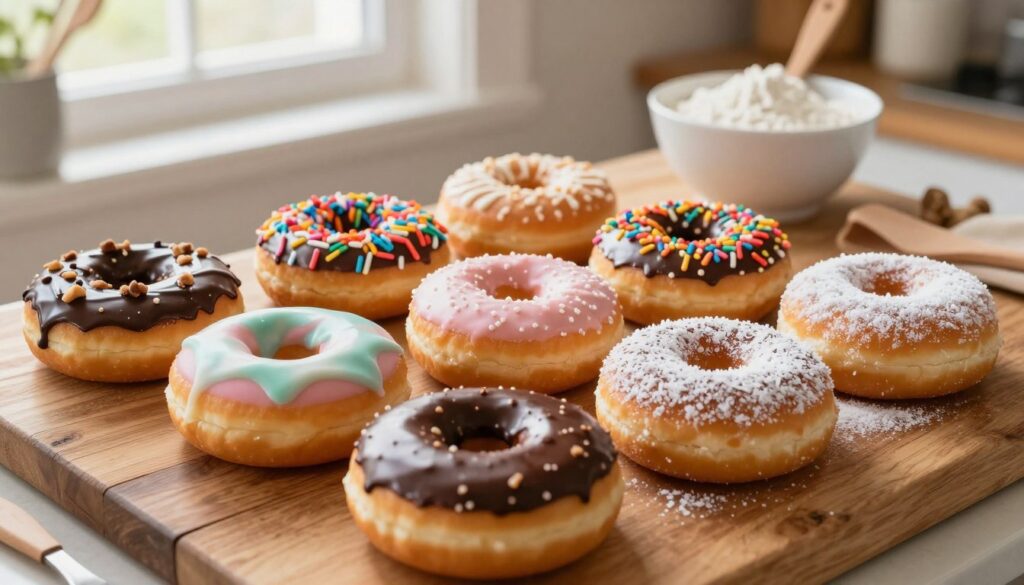
Creative Toppings to Personalize Your Donuts
If you prefer a richer option, a chocolate glaze is fantastic. Add cocoa powder or melted chocolate to your basic sugar mixture.
Feel free to experiment with other creative toppings. Toasted coconut or colorful sprinkles add fun for any special occasion.
Place your glazed creations on a wire rack to set. This allows any excess coating to drip off and creates a perfect, shiny shell.
Pro Chef Tips and Common Pitfalls
The difference between a good result and a great one often lies in avoiding simple, common mistakes. These professional insights will elevate your baking and help you sidestep errors common in yeast-based methods.
Avoiding Overmixing and Other Donut Making Errors
First, always verify your baking powder is fresh. This powder is the chemical leavener that creates lift. If it’s old, your pastries won’t rise properly.
Second, handle your ingredients with care. Overmixing develops gluten, leading to a dense texture. Gentle kneading for just a few seconds is all that’s needed.
Monitor your frying time closely. Each side typically needs about two to three minutes. Too long in the oil, and they become heavy. Set a timer for the best results.
Accurate measurement is a cornerstone of successful baking. Use a scale for dry ingredients like flour and baking powder. This ensures consistency every time.
Finally, remember this method uses baking powder, not yeast. They are not interchangeable. Yeast requires proofing, while the powder provides an instant reaction. Don’t confuse the two.
Make-Ahead Strategies and Proper Storage
Planning your baking session can make enjoying fresh pastries even more convenient. With a few smart steps, you can have your donuts ready when you want them, without last-minute fuss.
Storing Donuts to Maintain Freshness
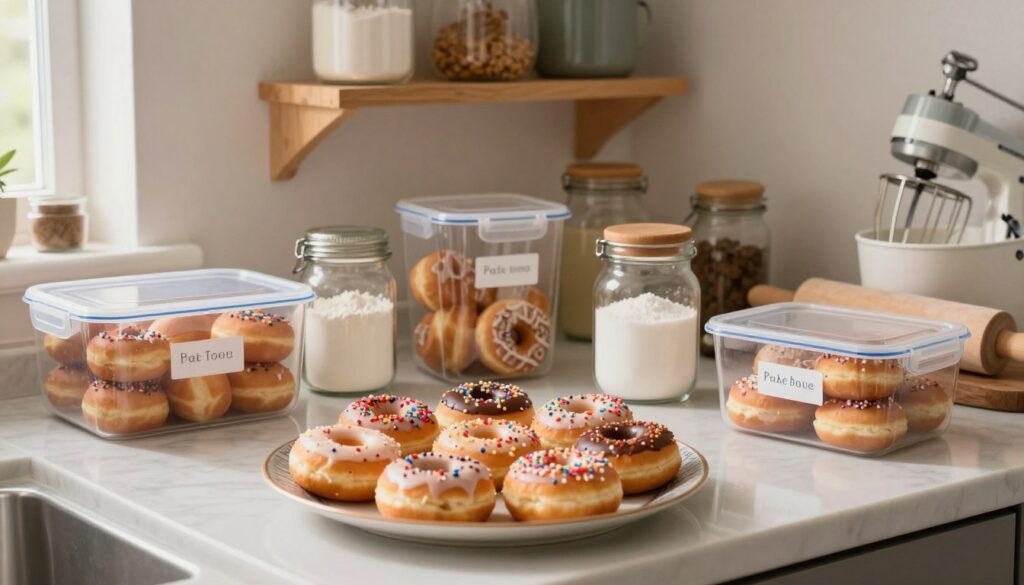
Your homemade rings are best eaten within one day of frying. This time frame ensures the exterior stays crisp and the interior remains wonderfully soft.
If you need to prep ahead, store the raw dough in an airtight container. Keep it in the refrigerator for up to twelve hours. This saves valuable time when you’re ready to cook.
Avoid placing fried donuts in the fridge. The cold air dries them out and ruins their tender texture. Instead, keep any leftovers at room temperature.
Place them in an airtight container with a sheet of paper towel underneath. This absorbs excess fat and moisture. Enjoy them within twenty-four hours for peak quality.
To revive them, a quick twenty-second zap in the microwave works wonders. This brief heating brings back their warm, inviting feel.
Proper storage also protects your sugar glaze or coating. It prevents stickiness and keeps the sugar from dissolving. Your treats will look and taste perfect every time.
Variations for the easy donut recipe without yeast
The beauty of this approach lies in its incredible adaptability to suit your personal taste preferences. Once you’ve mastered the basic method, you can explore countless delicious twists.
This flexibility makes each batch a new adventure. You can tailor every element to match your mood or occasion.
Experimenting with Different Glazes and Fillings
Your glaze options extend far beyond the classic vanilla or chocolate versions. Consider infusing your icing with almond extract for a marzipan-like flavor.
For a filled variation, use a piping bag to inject a small amount of jam or ganache into the center after cooking. This creates a delightful surprise with every bite.
Feel free to mix and match coatings and fillings. A lemon glaze paired with a berry filling is a fantastic combination.
Adapting the Recipe for Unique Flavor Profiles
You can modify the recipe itself for different results. Add a teaspoon of maple extract to the wet ingredients for a warm, autumnal flavor.
For a textural contrast, sprinkle chopped nuts on top of the wet glaze. The nuts will adhere perfectly as the coating sets.
If you want to experiment with deep frying, try using avocado or coconut oil. Each oil imparts a subtle, unique taste to your donuts.
Keep a simple log of your successful variations. Note what you changed and how it turned out. This helps you recreate your favorite custom recipe later.
Conclusion
As you conclude this guide, you possess a straightforward method for crafting impressive homemade desserts. This tutorial demonstrates how to achieve bakery-quality pastries in well under an hour, utilizing the reliable lift from baking powder instead of traditional yeast to conserve your valuable time.
Emphasize gentle dough handling and consistent oil temperature maintenance. These techniques guarantee a perfect, soft texture with each batch. Your homemade donuts exemplify the simplicity inherent in this recipe.
Whether coated in cinnamon sugar or drizzled with chocolate, these treats are certain to delight. Sharing them with friends and family creates sweet, lasting memories.
We hope this foundation inspires your confidence in the kitchen. Happy baking!
Your email will not be published publicly.