
Best sable cookies recipe : 3 easy french buttery variations
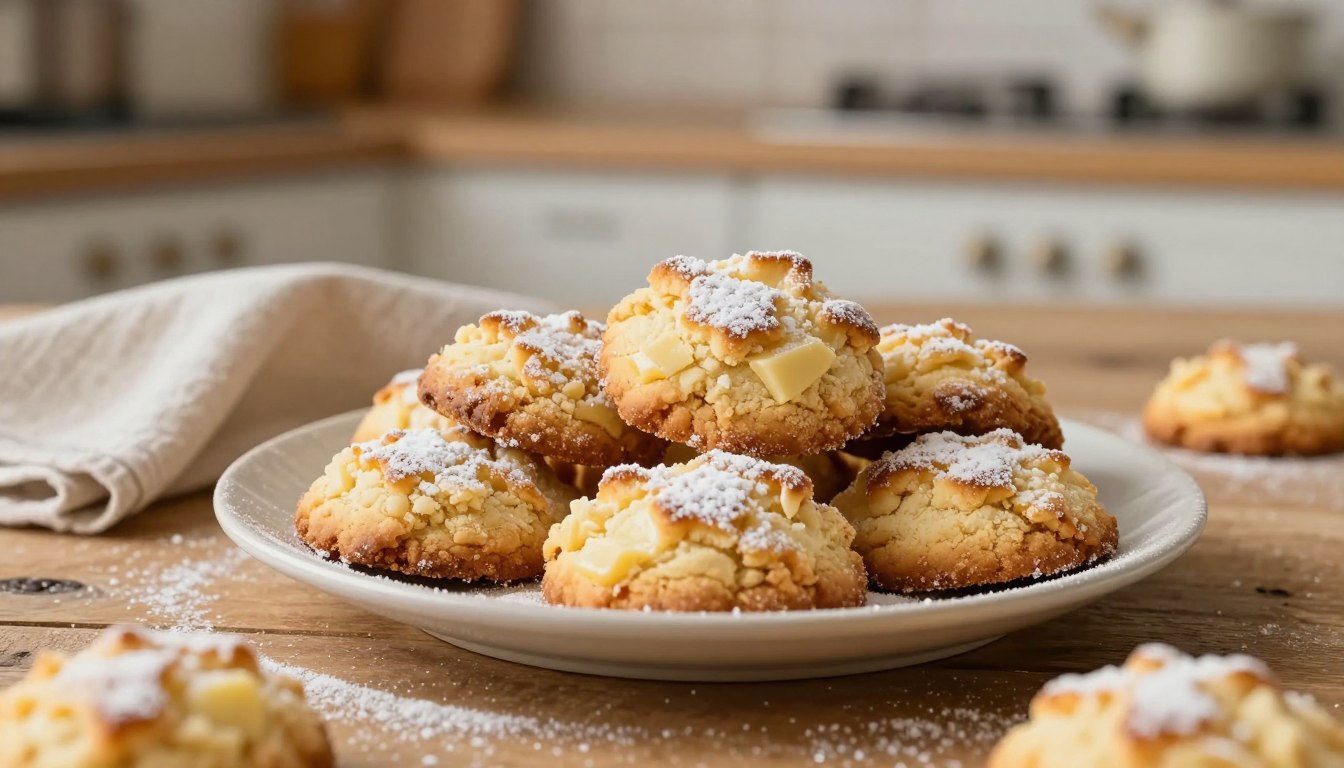
Did you know that the French have been enjoying sable cookies for over a century? These delightful treats are famous for their unique, sandy texture that literally melts in your mouth. Making homemade sable cookies is not just a fun activity; it’s a chance to create something truly special for your loved ones.
In this guide, you will learn how to bake delicious sable cookies that are perfect for any occasion. Whether you are celebrating a birthday, hosting a gathering, or simply indulging yourself, these cookies will impress everyone. Get ready to explore the world of buttery, tender cookies that are easy to make and even easier to share!
What are sable cookies?
Sable cookies are a delightful treat with a rich history. Originating from the charming town of Sablé sur Sarthe in France, these cookies are known for their unique sandy texture and buttery flavor. Unlike classic sable cookies, which are similar to shortbread, sable cookies include egg yolks. This addition gives them a delicate richness that sets them apart.
These cookies have become popular worldwide, inspiring various delightful variations. You can find them in different forms, each with its own twist. Let’s explore their history and key characteristics.
Sable cookies are the French answer to the question every baker eventually asks: what does a truly perfect butter cookie taste like? The answer is this a golden, crispy edge that gives way to a center so tender it dissolves the moment it touches your tongue, leaving nothing but deep, rich butter flavor and the faintest hint of vanilla.
The texture is not an accident. It comes from three deliberate choices: powdered sugar instead of granulated for a finer crumb, egg yolks only for richness without added moisture, and the sablage method the professional French technique of working cold butter into flour until the mixture resembles coarse sand.
That sand like texture is what gives sablés their name, and it is exactly what creates that melt in your mouth result.
This recipe covers 3 variations classic vanilla, lemon zest, and salted caramel all built on the same base dough using
the slice and bake log method. Prep one batch, freeze extra logs, and you have bakery quality cookies ready in 15 minutes any time.
If you enjoy refined French butter based baking, our Best french butter cookies recipe covers the classic sablé
breton in detail, while our French Pastry Recipes guide places these sablés in the full context of French pâtisserie tradition from croissants to layered tarts.
For the complete science behind the sablage technique and why fat coating flour produces a more tender cookie than
creaming, The Kitchn’s Double Vanilla Sablés guide is the most thorough
professional reference available.
Three variations. One perfect dough. Zero reasons to buy cookies from a store ever again. Scroll down — your best sablé is one recipe away.
A brief history of sable cookies
The origins of sable cookies trace back to the 17th century in France. The name “sable” means “sand” in French, reflecting their crumbly texture. They were initially made for special occasions and have since evolved into a beloved everyday treat.
Key characteristics of sable cookies
What makes sable cookies so special? Here are some defining traits:
- Crumbly, sandy texture that melts in your mouth
- Rich buttery flavor enhanced by egg yolks
- Versatile base for various flavors and toppings
- Simple ingredients that create a complex taste
As you prepare to bake your own batch of French sable cookies, understanding their heritage and unique qualities will inspire your culinary adventure. Enjoy creating these classic treats!
Essential ingredients for sable cookies
Creating the perfect buttery sables starts with understanding the essential ingredients. Each component plays a vital role in achieving that melt in your mouth texture. Here’s a closer look at what you need for your sable cookie recipe.
The role of butter in sable cookies
Butter is the star ingredient in baking sable cookies. Using high quality, softened butter ensures a rich flavor and tender texture. Aim for unsalted butter, as it allows you to control the saltiness of your cookies.
Choosing the right sugar
The type of sugar you use can greatly affect the outcome of your cookies. A combination of powdered sugar and granulated sugar creates a delightful balance of sweetness and texture. Here’s a quick overview:
- Powdered Sugar: Adds sweetness and a smooth texture.
- Granulated Sugar: Provides structure and a slight crunch.
Flour varieties for perfect texture
Flour is the foundation of your sable cookies. All purpose flour is the go to choice, offering a balanced texture. For an extra crispness, consider adding a bit of corn starch. This combination will elevate your baking sable cookies to new heights.
| Ingredient | Role | Type |
|---|---|---|
| Butter | Flavor and tenderness | High quality unsalted |
| Sugar | Sweetness and texture | Powdered and granulated |
| Flour | Structure | All purpose (with corn starch optional) |
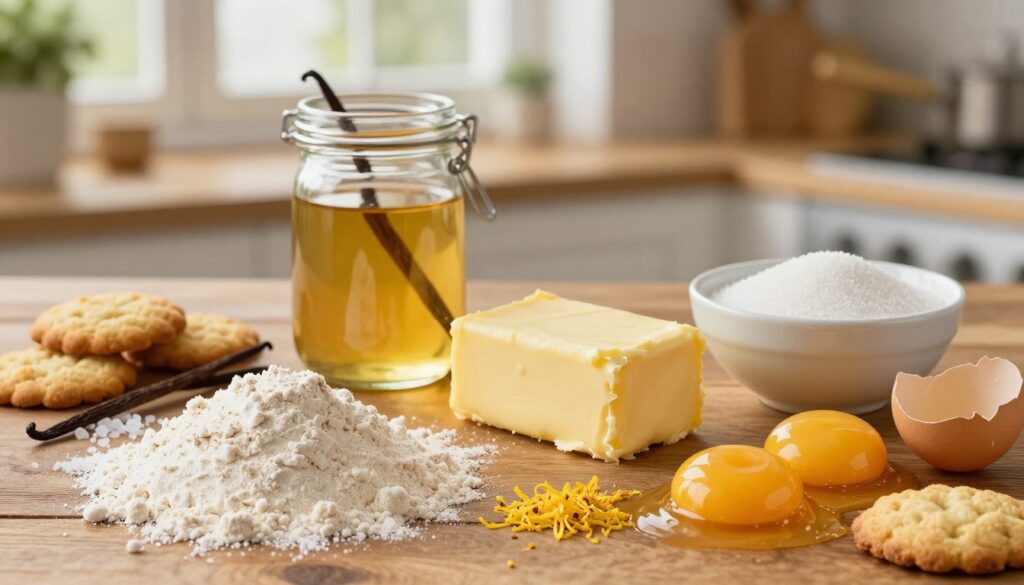
Understanding these ingredients helps you master the art of baking sable cookies. Quality matters, and the right choices lead to delicious results. Enjoy your baking journey!
Step by step guide to making sable cookies
Making homemade sable cookies is a delightful experience. This step by step guide will help you prepare, mix, and shape your dough with ease. Follow these friendly instructions to create delicious cookies that melt in your mouth.
Prepping your kitchen
Before you start baking sable cookies, ensure your kitchen is ready. Gather the following tools and ingredients:
- Mixing bowls
- Measuring cups and spoons
- Electric mixer or whisk
- Plastic wrap
- Baking sheets
- Parchment paper
Mixing the ingredients
Begin by creaming butter and sugar together until the mixture is light and fluffy. This step is crucial for achieving the right texture in your sable cookie recipe. Next, add egg yolks for richness. Gradually mix in the flour and any other dry ingredients until the dough comes together.
Shaping the cookies
Now it’s time to shape your homemade sable cookies. You can choose between two methods:
- Roll the dough into logs for slice and bake cookies.
- Roll out the dough and use cookie cutters for fun shapes.
After shaping, chill the dough for at least 30 minutes. This helps the cookies maintain their shape while baking. Enjoy the process of baking sable cookies, and remember that practice makes perfect!
Tips for achieving the perfect texture
To create buttery sables that melt in your mouth, paying attention to the dough’s texture is essential. Two critical factors influence this: chilling the dough and perfecting your baking time and temperature. These steps ensure your delicious sable cookies have the right consistency and flavor.
The importance of chilling the dough
Chilling your dough is a crucial step when baking sable cookies. It firms up the dough, making it easier to handle and shape. This process prevents the cookies from spreading too much while baking. Chilling also enhances the flavors, resulting in a richer taste. Aim to chill your dough for at least 1-3 hours, or even longer for the best results.
Baking time and temperature
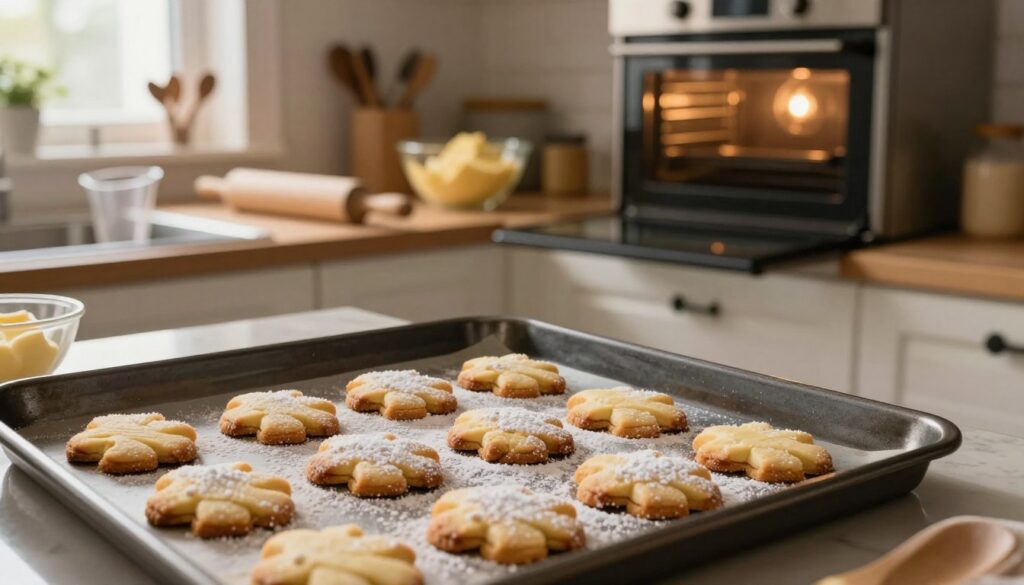
When it comes to baking sable cookies, the right temperature and timing are vital. Set your oven to 350°F (180°C) and bake for 15-18 minutes. Look for lightly golden edges while the tops remain pale. For delicate flavors like matcha, adjust the baking time to preserve their vibrant color and taste. Following these guidelines will help you achieve the perfect texture every time.
| Chilling Time | Recommended Baking Time | Oven Temperature |
|---|---|---|
| 1-3 hours | 15-18 minutes | 350°F (180°C) |
Creative flavor variations for sable cookies
Ready to personalize your delicious sable cookies? Experimenting with different flavors can elevate your homemade sable cookies to new heights. Here are some creative ideas to inspire your baking adventure.
Adding nuts and dried fruits
Incorporating nuts and dried fruits can add texture and flavor to your almond sable cookies. Consider these options:
- Flaked almonds for a crunchy bite.
- Pecans for a rich, buttery taste.
- Dried cranberries for a sweet and tart contrast.
- Sour cherries for a delightful burst of flavor.
Infusing flavors with extracts
Enhancing your sable cookies with extracts can create unique flavor profiles. Try these suggestions:
- Vanilla extract for a classic touch.
- Lemon extract or zest for a refreshing twist.
- Matcha powder for a vibrant green color and earthy flavor.
- Cocoa powder for a rich chocolatey experience.
These creative touches let you tailor your cookies to your taste and occasion. Enjoy making each batch uniquely yours!
Decorating your sable cookies
Decorating your delicious sable cookies adds a special touch that makes them stand out. Simple glazes and edible garnishes can transform your cookies into beautiful treats perfect for any occasion. You can use various techniques to enhance the visual appeal of your baked goods.
Simple glazes and icing
Creating a glaze for your sable cookies is easy and rewarding. A lemon glaze offers a sweet and tangy finish, ideal for gifting or serving at gatherings. Here are a few popular options:
- Lemon glaze for a citrusy kick
- Simple sugar glaze for a classic touch
- Egg wash with sparkling sugar for a diamond sablé effect
Using edible garnishes
Edible garnishes add texture and color to your cookies. You can customize your cookies beautifully with minimal effort. Consider these garnishes:
- Chopped nuts for crunch
- Dried fruit pieces for a chewy texture
- Colored sugar for a festive look
These decorating ideas allow you to personalize your baking sable cookies while making them visually appealing. Enjoy the process and let your creativity shine!
Storing sable cookies for freshness
To enjoy your homemade sable cookies at their best, proper storage is essential. With the right techniques, you can maintain their delicious flavor and melt in your mouth texture. Here are some tips to keep your cookies fresh and tasty.
Recommended storage solutions
Storing your delicious sable cookies properly can extend their freshness. Consider these methods:
- Use airtight containers to prevent moisture from getting in.
- Keep cookies at room temperature in a cool, dry place.
- Separate layers of cookies with parchment paper to avoid sticking.
Shelf life of sable cookies
Understanding how long your cookies last is important. Here’s a quick guide:
- Baked cookies stay fresh for up to a week.
- Dough can be refrigerated for up to 3 days.
- Frozen dough lasts for about 2 months.
- Baked cookies freeze well for about 4 weeks.
By following these storage tips, you can ensure that your homemade sable cookies remain delicious and ready to enjoy. Whether you’re baking for a special occasion or just treating yourself, these cookies will stay fresh and delightful for days to come.
Pairing sable cookies with beverages
Enhancing your experience with French sable cookies can be as simple as choosing the right beverage. These delicious sable cookies, with their buttery richness, pair beautifully with various drinks. Here are some delightful options to consider:
Coffee and tea pairings
For coffee lovers, the combination of rich flavors can elevate your cookie enjoyment. Consider these pairings:
- Matcha flavored sable cookies go well with green tea.
- Classic vanilla sable cookies complement robust coffees.
- Chocolate sable cookies pair nicely with Earl Grey tea.
Wine or milk excellent matches
If you prefer something different, try these options:
- A cold glass of milk balances the rich, crumbly texture of the cookies.
- Light white wines enhance the buttery notes of the cookies.
- Dessert wines can provide a sweet contrast to the flavors.
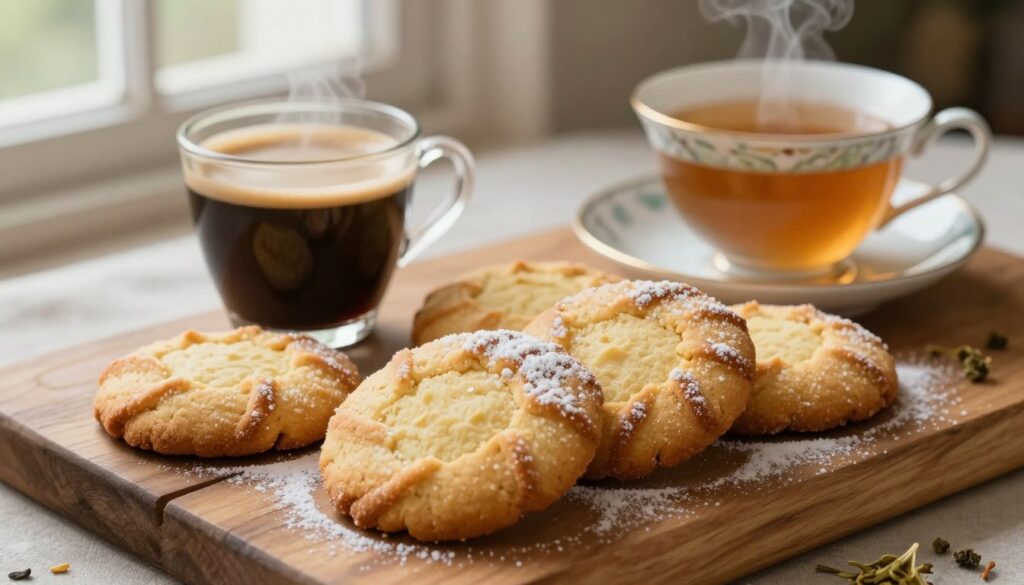
Choosing the right beverage can transform your delicious sable cookies into a memorable treat. Enjoy experimenting with these pairings to find your perfect match!
Common mistakes to avoid when making sable cookies
Baking sable cookies is a delightful experience, but a few common mistakes can lead to disappointing results. Being aware of these pitfalls can help you create perfect homemade sable cookies every time. Let’s explore two critical errors to avoid.
Overmixing the dough
One of the most frequent mistakes is overmixing the dough. When you mix too much, gluten develops, making your cookies tough instead of tender. Aim to mix just until the ingredients are combined. This ensures a light and crumbly texture.
Skipping dough chilling
Another crucial step is chilling the dough. Skipping this step can cause your cookies to spread too much during baking. Chilling helps maintain their shape and texture. Aim to chill the dough for at least 30 minutes before baking.
By avoiding these common mistakes, you will enhance your skills in baking sable cookies. Follow these tips for the best results:
- Mix gently to prevent gluten formation.
- Chill the dough for a minimum of 30 minutes.
- Use a cookie scoop for even shapes.
Conclusion: enjoying your sable cookies
Sharing homemade sablés is one of the simplest ways to make someone’s day. These classic French butter cookies taste
extraordinary and make beautiful gifts tuck them into a pretty box tied with ribbon and you have something that feels
far more personal than anything store bought.
For events and gatherings, presentation elevates the experience. Arrange your sablés on a marble board, stack them in a glass jar, or fan them across a linen lined platter. Pair them with espresso, Earl Grey, or a cold glass of milk the contrast
between the crispy, buttery cookie and a warm drink is exactly what the French have been enjoying for centuries.
Whether you bake a single batch for yourself or a double batch to share, every person who tries one will ask for the recipe.
That is the quiet magic of a perfectly made sablé it looks simple, but the first bite says everything. Enjoy every
compliment that comes your way. You earned it.
Your email will not be published publicly.