
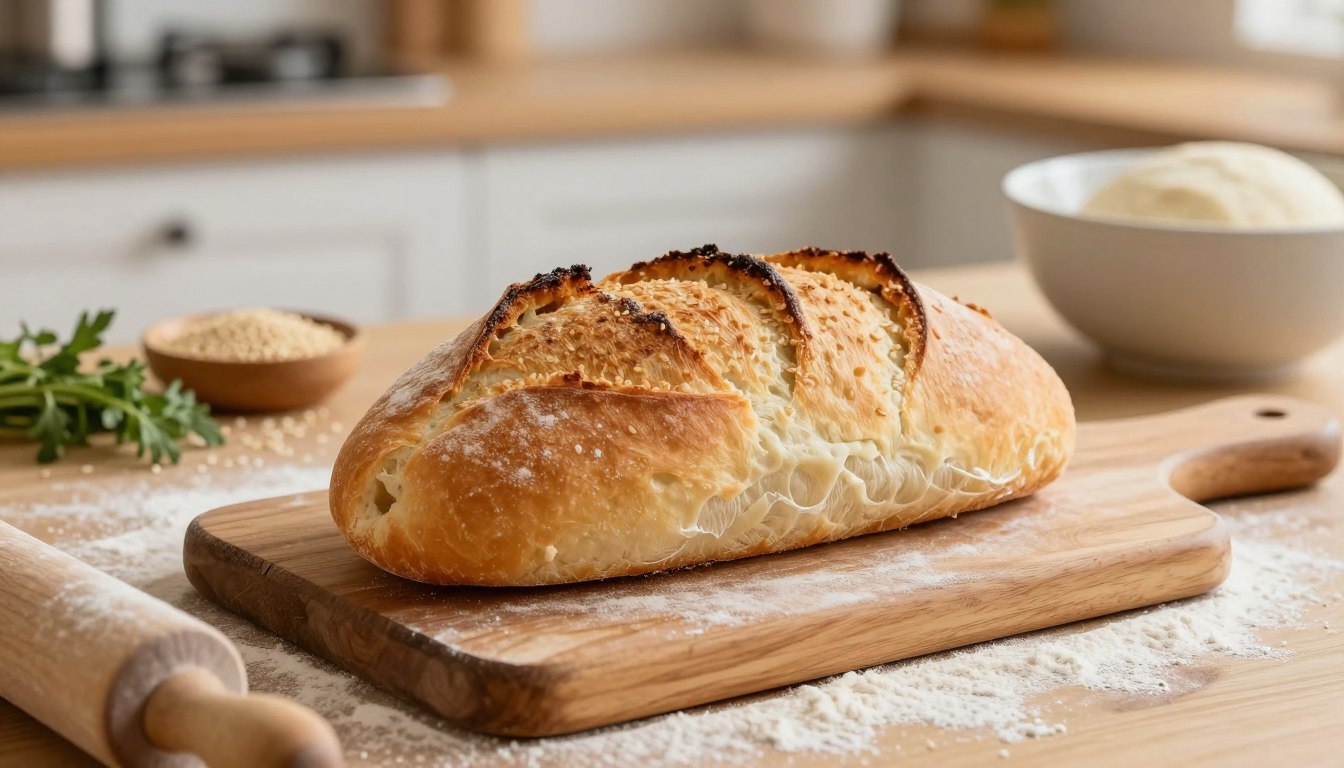
Sub roll recipe – 5 easy steps for soft, flavorful bread
I used to get frustrated with store bought loaves that fell apart when I added toppings. One rainy day, I decided to learn how to bake at home. After trying different methods, I found the right mix: four cups of all purpose flour and 1.5 cups of lukewarm water at 105F.
This sub roll recipe turns your kitchen into a real bakery. Using top notch ingredients makes your homemade bread better than store bought. You’ll feel confident making fresh, strong bread that can handle your favorite fillings.
Learning these professional tips is key to getting that soft, airy bread everyone loves. Once you get this best sub roll recipe down, you’ll never go back to store bought. Get ready to make your lunches better with bread that’s tasty and holds up well.
After trying different methods, I found the right mix: four cups of all purpose flour and 1.5 cups of lukewarm water at 105°F. This sub roll recipe turns your kitchen into a real bakery, delivering soft, airy bread that holds up to any sandwich filling.
Once you master this best sub roll recipe, you’ll never go back to store bought. If you love fresh bread, explore our Ocean Spray Cranberry Bread for a fruity twist, our Pumpkin Cinnamon Rolls for a sweet fall treat, or our Churro Cheesecake Donuts for a fun dessert.
For another great take on homemade sub rolls, check out Seasons and Suppers’ easy sub roll recipe (see it here →) — it’s a trusted guide that uses extra yeast for quick, sturdy rolls that freeze beautifully.
Introduction to sub rolls
A great sandwich starts with the bread. Choosing the right sub roll recipe can turn a simple lunch into a gourmet meal. It’s all about the foundation.
What makes a great sub roll?
A top notch sub sandwich roll must be soft yet strong. It should be easy to bite into but still hold lots of filling. You want it to be tender inside and golden outside.
Getting this right takes time and skill. Baking your own bread lets you control the texture. This ensures your rolls are perfect for any sandwich.
Common uses for sub rolls
Once you master baking, you’ll find many uses for your fresh bread. These rolls are great for both hot and cold dishes. Try them in these popular ways:
- Classic Italian Grinders: With cured meats, provolone, and crisp lettuce.
- Turkey and Avocado Subs: A light option that loves fresh bread.
- Meatball Subs: The crust holds up well against marinara sauce.
- Philly Cheesesteaks: A must have for this famous dish.
Having a reliable sub roll recipe makes any sandwich special. Try different fillings to see how versatile your homemade bread can be.
Ingredients you’ll need
Starting your journey to a bakery style sub roll means picking the right dough foundation. High quality ingredients are key for the perfect texture and taste. These basics help you achieve a professional grade result that boosts your sandwich game.
Flour selection: bread flour vs All purpose
The secret to a great sub roll dough is in the flour’s protein content. Bread flour gives the dough structure and chewiness. All purpose flour makes it tender. A mix of both, 50:50, is often the best for a versatile sub roll recipe.
| Flour type | Protein content | Best use |
|---|---|---|
| Bread Flour | High (12-14%) | Chewy, sturdy crust |
| All Purpose | Medium (9-11%) | Soft, tender crumb |
| 50:50 Blend | Balanced | Perfect sub rolls |
The importance of yeast
Yeast is the engine of your bread, making it light and airy. Use 2 tablespoons of active dry or instant yeast for a good rise. Always bloom your yeast in 105°F water for consistent results.
Additional ingredients for flavor
Adding a few extra ingredients can make your loaf gourmet. A bit of sugar or honey feeds the yeast and gives a golden crust. Olive oil or melted butter can also enhance the flavor of your sub roll recipe.
Step by step instructions
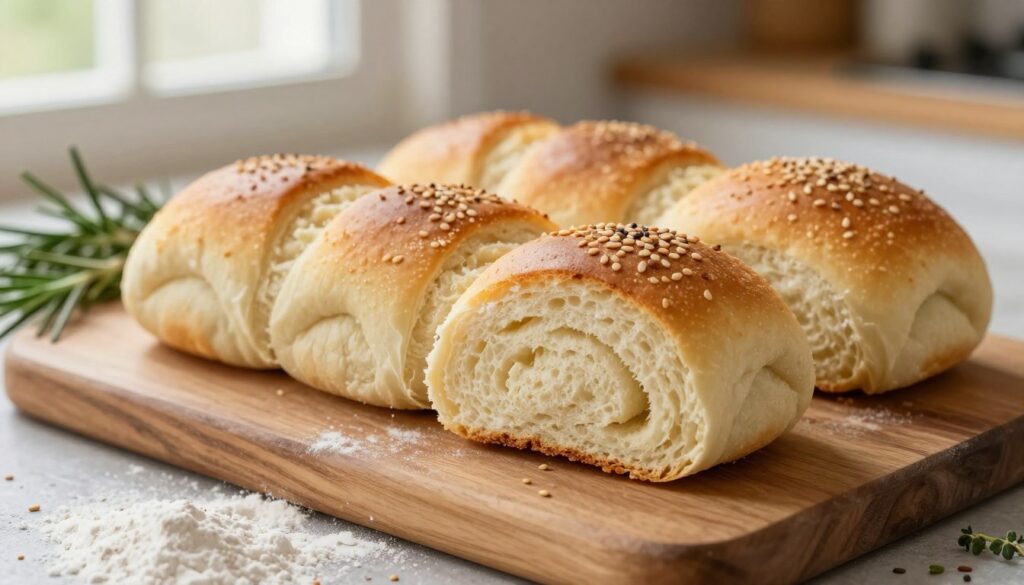
Making a professional grade sub sandwich roll is simpler than you think. By following a consistent method, you can get bakery quality results at home. This ensures your bread is perfect for any filling.
Mixing and kneading the dough
Start by mixing your ingredients in a large bowl until a shaggy dough forms. Move the mixture to a lightly floured surface to start building the gluten structure. Kneading is the secret to getting that light and airy crumb you love in a homemade sub roll.
- Knead the dough firmly for 3 to 4 minutes.
- Push the dough away from you with the heel of your hand.
- Fold it back over itself and rotate slightly.
- Continue until the surface feels smooth and elastic to the touch.
The rising process explained
Once your dough is smooth, put it in a greased bowl and cover it with a damp cloth. The rising process lets yeast consume sugars and release carbon dioxide. This creates the air pockets you need.
Be patient during this stage. Rushing the rise can make the bread dense. A well risen dough will spring back slowly when pressed. This shows the gluten is relaxed and ready for the next step.
Shaping the sub rolls
After the first rise, gently deflate the dough and divide it into four equal portions. Use a rolling pin to flatten each piece into a rectangle. Then, roll it up tightly like a jelly roll. This creates the tension needed for a beautiful sub sandwich roll shape.
Seal the seams tightly by pinching the edges together with your fingers. Roll each piece into an 11-12 inch log, making sure the thickness is even. Place your shaped dough on a baking sheet, cover it, and let it proof one final time before baking.
Tips for soft sub rolls
Soft, pillowy bread is key to a great sandwich. When making a homemade sub roll, the crust’s texture matters a lot. Small changes in your baking setup can greatly improve your results.
The role of steam in baking
Steam is crucial for keeping bread soft. It creates a humid oven, letting dough expand fully before it dries out. This makes the bread much softer.
To get this right, heat your oven to 375°F. Put your dough in, then add ice cubes on a hot tray at the oven’s bottom. This steam is vital for a best sub roll recipe, keeping bread tender for 18 to 22 minutes.
Using a bun pan vs Baking sheet
The tools you use affect your rolls’ shape. Both pans and sheets have their benefits for home bakers.
- Specialized Bun Pans: These pans shape dough into uniform, professional rolls. They’re great for consistent sandwiches.
- Standard Baking Sheets: Sheets are flexible for various roll sizes. But, you need to space dough well to avoid rolls merging.
The best sub roll recipe is about controlling heat and moisture. Whether using a pan or sheet, mastering these factors will give you a top notch homemade sub roll every time.
Variations on the classic sub roll
Turning a basic recipe into something unique is what home bakers do best. Once you know the basics, you can try new flavors. This way, you can make a homemade sub roll that’s just right for your favorite fillings.
Whole wheat sub rolls
Adding whole wheat flour makes your bread healthier and gives it a richer taste. Remember, you might need a bit more water because whole wheat flour soaks it up. This keeps your dough soft and easy to work with.
Using a mix of flours is often the best choice for a homemade sub roll. Start by using 25% whole wheat flour and adjust as you get used to the dough.
Herb infused sub rolls
Want to make your bread smell amazing? Try adding dried herbs like rosemary, oregano, or thyme. These herbs make your sub sandwich roll taste like a gourmet treat. They fill your kitchen with a great smell.
To get the best flavor, mix your herbs with the flour first. Then add the wet ingredients. This way, every bite of your sub sandwich roll will taste amazing. It’s a simple way to make your bread match your favorite sandwiches.
Storing your sub rolls
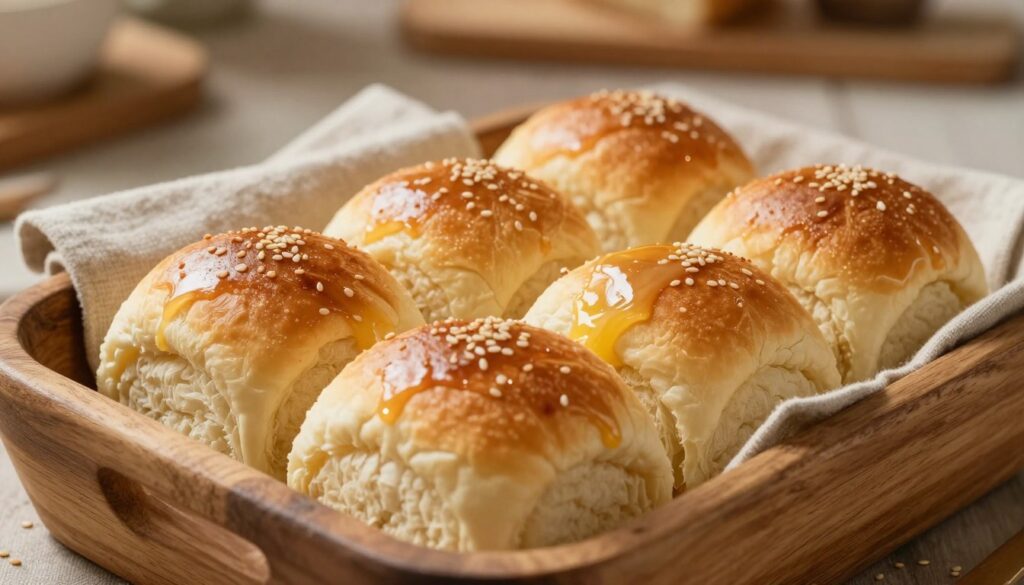
After making an easy sub roll recipe, you’ll want to keep it fresh for days. The right storage keeps your bread soft and tasty, just like when it’s new.
Best practices for freshness
First, let your bread cool completely on a wire rack. If you store it warm, steam can make the crust soggy. This can also cause mold.
After cooling, put your rolls in an airtight container or plastic bag. Keep them away from sunlight and heat. For the best taste, eat your bread within two to three days.
Freezing sub rolls for later use
Freezing is great for baking in bulk. An easy sub roll recipe lets you have fresh bread anytime. Wrap each roll in plastic wrap and put them in a freezer bag.
This keeps your bread fresh for up to three months. To thaw, let them sit at room temperature or warm them in the oven. This way, your kitchen always has fresh bread.
| Storage method | Ideal duration | Best for |
|---|---|---|
| Countertop | 1-2 Days | Immediate consumption |
| Refrigerator | Not Recommended | Dries out bread quickly |
| Freezer | Up to 3 Months | Long-term storage |
Pairing options for sub rolls
Start by choosing the right ingredients for your sandwich. The easy sub roll recipe is the base. But it’s the fillings that make it special. High quality ingredients balance texture and taste, turning a simple lunch into a gourmet meal.
Popular sandwich fillings to try
Smoked turkey, roast beef, or Italian salami are classic choices. They offer a savory flavor that goes well with soft, airy rolls. For a vegetarian option, try roasted bell peppers, marinated artichoke hearts, and fresh mozzarella.
Spreads like basil pesto, spicy chipotle mayo, or tangy balsamic glaze add moisture and depth. Fresh greens like arugula or butter lettuce add a nice crunch.
Creative sub roll toppings
Before baking, add toppings for extra flavor. A light egg wash and a sprinkle of sesame seeds, poppy seeds, or coarse sea salt give a professional touch. These small touches make your easy sub roll recipe look and taste like it’s from a high end deli.
For a richer flavor, brush the tops with garlic butter and sprinkle with parmesan cheese during baking. This creates a golden, savory crust that’s perfect for meatball subs or veggie melts. Customizing your toppings lets you tailor each batch to your liking.
Frequently asked questions
Baking bread at home is rewarding but can have challenges. Even skilled bakers sometimes face issues where their bread doesn’t turn out as expected.
Knowing how to fix these problems helps you make better bread every time. These tips are for both beginners and experienced bakers to improve their skills.
How to fix common sub roll mistakes
If your sub roll dough feels heavy or dense, it might be due to inactive yeast or too hot water. Always check your yeast’s expiration date before starting your easy sub roll recipe for a good rise.
Uneven rising can happen if the dough is in a drafty spot. Try proofing your rolls in a turned off oven with a bowl of warm water to keep the air moist.
If your rolls crack on top, they might need more steam when baking. Place a shallow pan of hot water on the bottom rack of your oven to help.
Can i include Gluten free options?
It’s possible to make your sub roll dough gluten free with the right ingredients. Use a high quality, 1 to 1 gluten free baking blend that includes xanthan gum instead of wheat flour.
Gluten free flour is different from wheat flour. You might need to adjust the dough’s moisture level in your easy sub roll recipe for the right texture.
Consistency is key when using gluten free flours. Always measure by weight, not volume, to keep your rolls’ structure and softness.
Essential baking tools
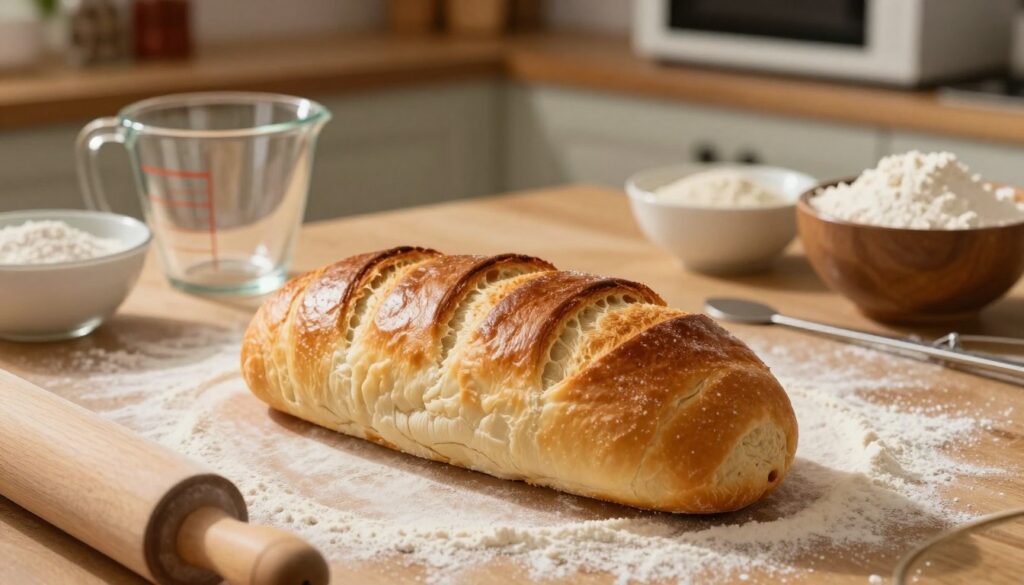
Getting the right tools for your kitchen is key to making great bread. With the right gear, making a fresh sub roll is easier and more fun.
Must have kitchen equipment
A top notch stand mixer changes the game for bread making. It helps develop the gluten for soft, airy bread. This saves you a lot of time and effort during kneading.
Don’t forget a sharp lame or a quality razor blade for scoring your dough. Precise scoring lets the bread expand right in the oven. This gives you a beautiful crust and a consistent shape.
Useful accessories for sub roll baking
Small accessories are crucial too. High quality parchment paper keeps your dough from sticking to the pan. This is key for keeping your fresh sub roll in perfect shape.
Also, a sturdy cooling rack is important. It lets your baked goods breathe, preventing soggy bottoms. This keeps your crust crisp and tasty.
| Tool | Primary benefit | Maintenance tip |
|---|---|---|
| Stand Mixer | Efficient Kneading | Keep motor clean |
| Lame | Clean Scoring | Replace blades often |
| Cooling Rack | Prevents Soggy Crust | Hand wash gently |
Nutritional information
Ever wonder how a fresh sub roll fits into your health goals? Knowing the nutritional facts of your homemade bread helps you plan meals better. This way, you can enjoy baking while keeping your health in mind.
Caloric content of sub rolls
Each bun in a standard batch has about 475 calories. It also has 14 grams of protein and 100 grams of carbs. This info helps you keep your diet balanced when you make a fresh sub roll for lunch or dinner.
Here’s a detailed look at what’s in a single serving of your homemade bread. Use this info to adjust your portions or plan other meals.
| Nutrient | Amount per serving | Daily value impact |
|---|---|---|
| Calories | 475 kcal | Moderate |
| Protein | 14 g | High |
| Carbohydrates | 100 g | High |
| Fiber | 4 g | Low |
Balancing flavors and nutrition
You can balance the taste of a fresh sub roll with healthy fillings. Use lean proteins like grilled chicken or turkey. Add fresh veggies like spinach, tomatoes, and cucumbers for extra vitamins without too many calories.
Choosing the right condiments is key too. Go for hummus, mustard, or light vinaigrette instead of mayonnaise. This way, your homemade bread stays delicious and healthy.
Serving suggestions
Turning a simple lunch into a gourmet experience is easy with creative serving ideas. When you bake your own bread, the presentation matters a lot. A fresh sub roll is perfect for showcasing tasty flavors.
Ideal pairings with condiments
The right condiment can make your sandwich taste better. Try garlic aioli on your fresh sub roll for a creamy, savory touch. Or, use spicy brown mustard for a sharp contrast with rich meats and cheeses.
Here are some great condiment combos to try:
- Herb infused butter: Great for warm, toasted bread.
- Balsamic glaze: Sweet and tangy, perfect for veggie sandwiches.
- Chipotle mayo: Smoky heat that goes well with roasted chicken.
Creative ways to serve sub rolls
There are many ways to impress your guests with your bread. Brush your fresh sub roll with olive oil and toast it until golden. This makes the outside crispy and holds up to juicy fillings.
For a party, make a platter with sliced rolls, dips, and spreads. This lets guests make their own sandwiches, making the meal fun and interactive. These rolls will definitely be the star of your table, whether as a side or the main dish.
Conclusion: enjoy your homemade sub rolls
Baking your own bread turns your kitchen into a real bakery. Now, you can make a tasty sub roll that makes every sandwich better.
This recipe is a great start for your cooking journey. You can change your methods to fit your taste as you get better.
Embracing homemade bread in your kitchen
Freshly baked bread adds warmth and comfort to your home. Kneading and proofing dough gives you a sense of pride that store bought can’t.
Using quality ingredients means every bite is better. Keep good flour and yeast on hand for your next baking adventure.
Encouraging experimentation in baking
Don’t be shy to try new things as you get more confident. Add different seeds or grains to your dough for unique flavors.
Sharing your baked goods with loved ones makes it even more special. Keep improving and enjoy the smell of fresh bread in your home every day.
FAQ
Why did my sub roll dough fail to rise properly?
The problem often comes from the liquid’s temperature or the yeast’s freshness. When making this sub roll recipe, make sure to bloom your Red Star Yeast in 105°F water. If the water is too hot, it kills the yeast. If it’s too cold, the yeast won’t work, and your roll won’t be light and airy.
Can I use this best sub roll recipe to create a gluten-free sub sandwich roll?
Yes, you can make a gluten-free sub roll using this recipe. Use a high-quality gluten-free flour like Cup4Cup Multipurpose Flour. Gluten-free dough is different, so you might need a special pan to keep it shaped while baking.
How can I ensure my homemade sub roll has a soft, bakery-style crust?
For a soft crust, control the moisture. Place a metal tray with ice cubes at the oven’s bottom for steam. This helps your dough expand without drying out. Brushing the roll with melted butter after baking also makes it softer.
What is the best way to store a delicious sub roll to keep it fresh for days?
Cool the rolls completely on a wire rack to avoid moisture. Then, seal them in a heavy-duty Ziploc bag. These rolls freeze well; wrap them in foil and store in the freezer for up to three months.
Why do you recommend a mix of all-purpose and bread flour for the best sub roll recipe?
The right mix gives the perfect chew. Using only bread flour can make the bread tough. But, all-purpose flour alone might not hold up to toppings. A 50:50 mix balances gluten for support and tenderness.
How do I know when I have kneaded my sub roll dough enough?
Your dough should be smooth and elastic. Test it by stretching a small piece; if it’s thin and doesn’t tear, it’s ready. This ensures your roll isn’t dense or crumbly.
Your email will not be published publicly.