
Easy puff pastry recipe: complete guide to flaky homemade puff pastry
Meta Description:
Learn how to make homemade puff pastry from scratch with this easy step by step recipe.
Making homemade puff pastry might seem intimidating, but with the right technique and a little patience, you can create buttery, flaky layers that rival any bakery. This comprehensive puff pastry recipe guide will walk you through everything you need to know about making authentic French puff pastry from scratch.
What is Puff Pastry? (French pâte feuilletée)
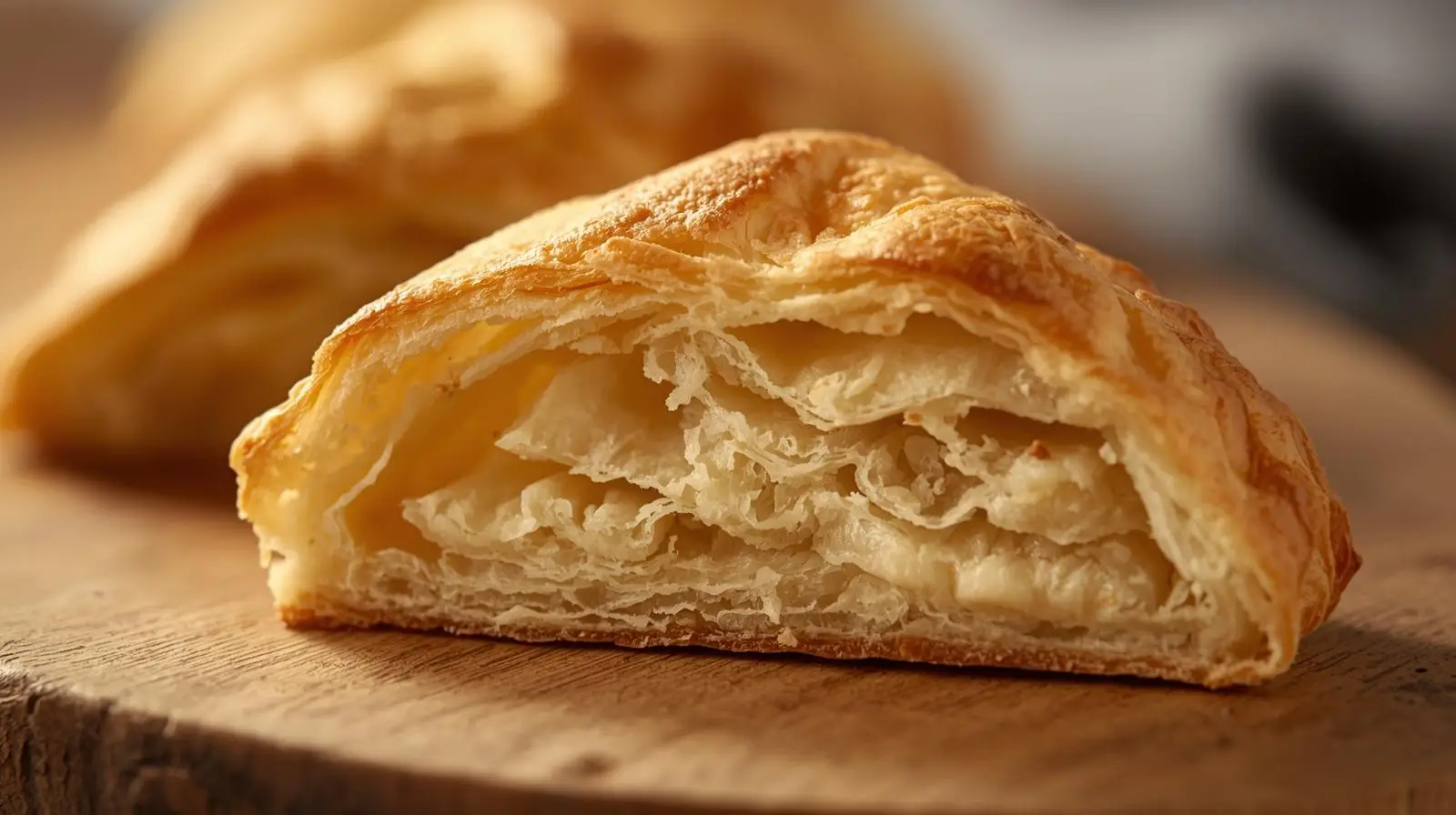
Puff pastry (also called pâte feuilletée in French) is a light, flaky pastry made from layered dough and butter. Through a process called lamination, the dough is folded multiple times to create hundreds of thin layers. When baked at high temperature, the moisture in the butter creates steam, causing the layers to puff up and separate into delicate, crispy sheets. This buttery pastry is the foundation for countless classic French pastries and modern recipes.
Ingredients you’ll need
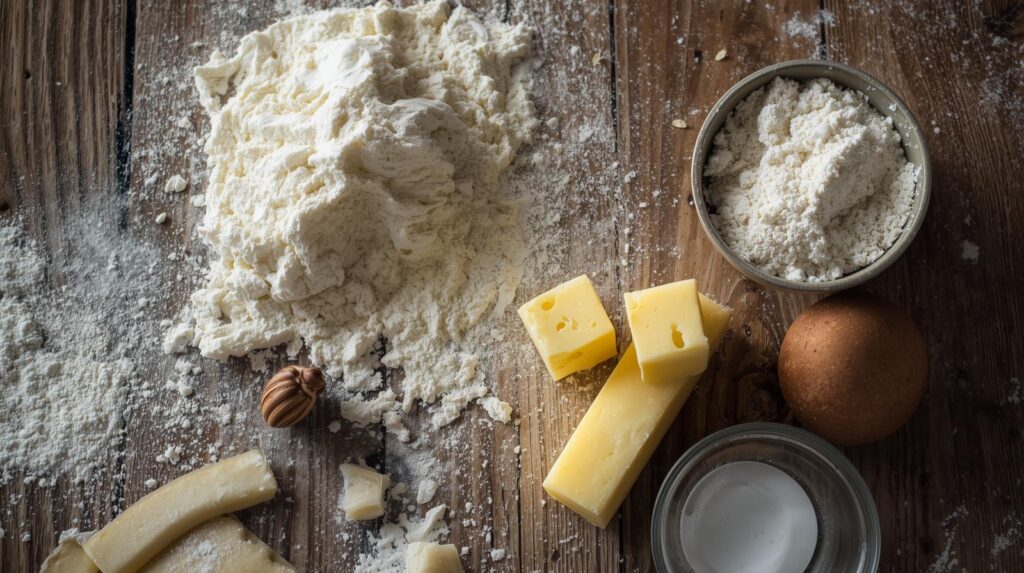
For the dough (Détrempe)
- 2½ cups all-purpose flour
- 1 teaspoon salt
- 1 cup cold water
- 2 tablespoons melted butter
For the butter block
- 1¼ cups unsalted butter, cold
- 2 tablespoons all-purpose flour
Step by step instructions
Preparing the dough
Start by combining the flour and salt in a large mixing bowl. Add the cold water and melted butter, then mix until a rough dough forms. Knead briefly until smooth, about 2-3 minutes. Wrap the dough in plastic wrap and refrigerate for 30 minutes.
Creating the butter block
While the dough chills, prepare your butter block. Place the cold butter between two sheets of parchment paper and pound it with a rolling pin until it becomes pliable. Sprinkle the 2 tablespoons of flour over the butter and fold it in. Shape the butter into a 6-inch square, wrap it, and refrigerate until firm but still pliable.
The lamination process
Roll out your chilled dough into a 10-inch square. Place the butter block diagonally in the center, then fold the corners of the dough over the butter like an envelope, sealing it completely.
Roll the dough into a rectangle about 20 inches long. Fold it into thirds like a business letter (this is called a “turn”). Rotate 90 degrees, roll out again, and fold into thirds once more. Wrap and refrigerate for 30 minutes.
Repeat this process three more times, for a total of six turns. Always refrigerate between every two turns to keep the butter cold and prevent it from melting into the dough.
Baking tips for perfect results
The key to successful puff pastry lies in temperature control. Keep your butter cold but pliable throughout the process. If it becomes too soft, refrigerate immediately. When ready to bake, preheat your oven to 400°F (200°C) and bake until golden brown and fully puffed, typically 20-25 minutes depending on what you’re making.
Popular Puff Pastry recipes and ideas to try
Once you’ve mastered the basic puff pastry technique, you can create countless delicious treats. Try making classic French croissants, elegant fruit tarts with custard, cheesy puff pastry straws, gourmet beef Wellington, or sweet caramelized palmiers (elephant ears). Savory puff pastry turnovers filled with spinach, cheese, or meat make excellent appetizers, while cream-filled napoleons (mille-feuille) are perfect for special occasions. Other popular uses include vol-au-vents, sausage rolls, apple turnovers, and cheese twists.
How to store and freeze Puff Pastry dough
Unbaked puff pastry dough can be wrapped tightly in plastic wrap and frozen for up to three months, making it perfect for meal prep. Thaw frozen puff pastry overnight in the refrigerator before using. Baked puff pastry treats are best enjoyed fresh but can be stored in an airtight container at room temperature for 1-2 days. Reheat baked pastries in a 350°F oven for 5-7 minutes to restore crispness and flakiness.
Common mistakes to avoid
Don’t rush the chilling process between turns, as this can cause the butter to melt and create greasy, heavy pastry instead of light, flaky layers. Avoid overworking the dough or using too much flour when rolling, which can make the pastry tough. Always work in a cool environment, especially during hot weather.
Why homemade Puff Pastry is worth the effort
While store-bought puff pastry is convenient, homemade versions offer unmatched flavor and texture. The buttery richness and delicate flakiness simply cannot be replicated by commercial products. Plus, you have complete control over the quality of ingredients, making it possible to create truly exceptional pastries.

Conclusion
Making puff pastry from scratch is a rewarding culinary skill that opens up a world of baking possibilities. Though it requires time and patience, the process becomes easier with practice. Whether you’re preparing elegant appetizers or decadent desserts, homemade puff pastry will elevate your cooking and impress everyone at your table.
Start with this recipe, follow the techniques carefully, and soon you’ll be creating bakery quality pastries in your own kitchen.
If you love easy dessert ,don’t miss our Pistaschio frangipane tart recipe,Strawberry mille feuille recipe: A classic french pastry with fresh strawberries and The Viral Homemade Donut Recipe Everyone is Obsessed With and learn more in wikipedia Puff pastry
Your email will not be published publicly.