
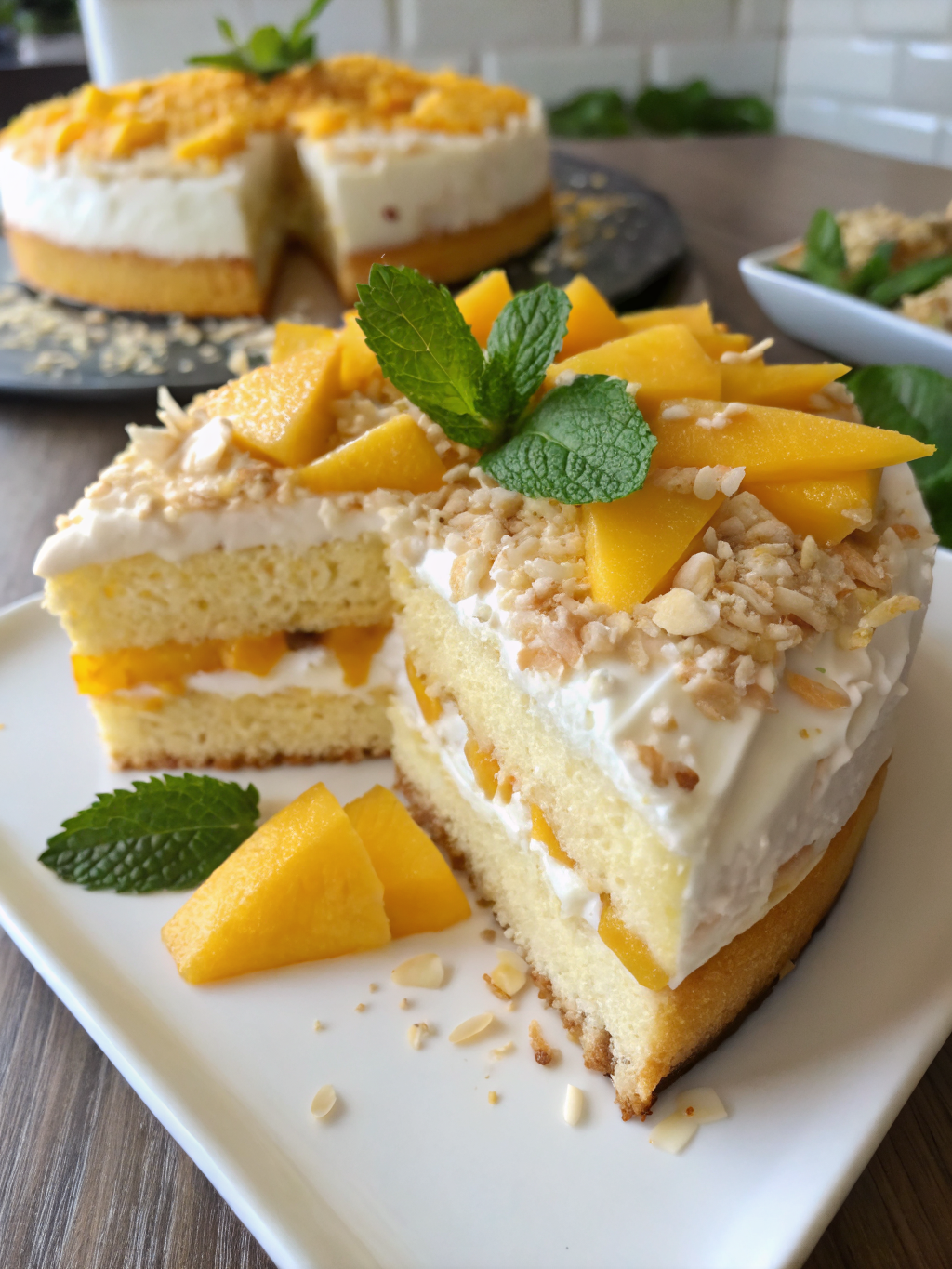
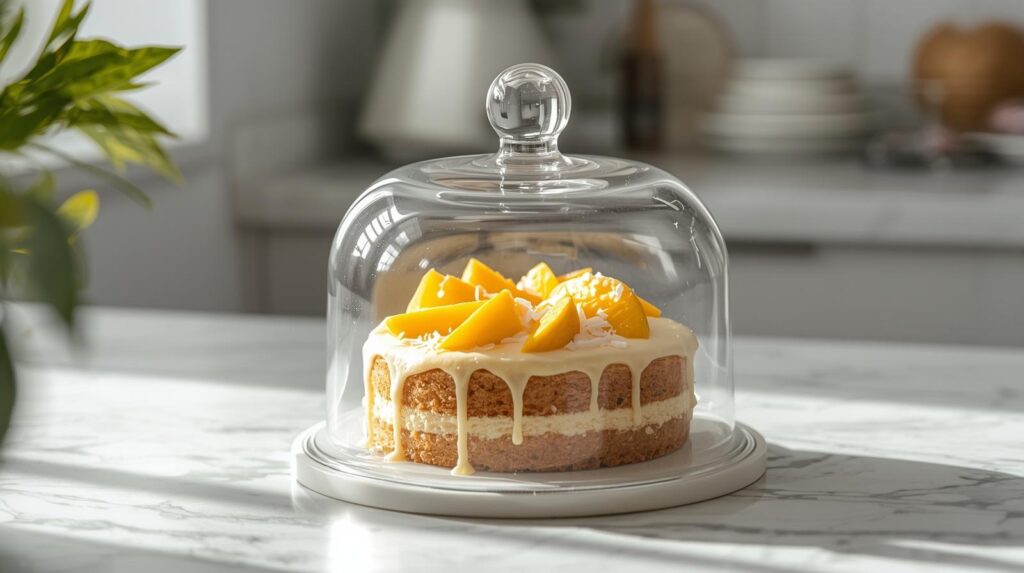
Mango coconut cake that melts in your mouth (Tropical Perfection)
What if one bite could transport you straight to a sun drenched tropical paradise? This mango coconut cake does exactly that, combining luscious, ripe mango with creamy coconut in every single layer. Whether you’re a seasoned baker or a curious beginner, this recipe is your golden ticket to dessert perfection.
Get ready to impress everyone at your table.
Tropical desserts are having a major moment, and for good reason. The combination of mango and coconut is a time-honored classic that delivers natural sweetness, vibrant color, and an irresistible aroma.
This cake is moist, fluffy, and crowned with a silky coconut cream frosting that makes every slice feel indulgent yet refreshing.
Unlike overly complicated bakery-style cakes, this recipe is designed to be approachable, straightforward, and deeply satisfying. You don’t need professional equipment or exotic pantry staples just fresh ingredients, a little patience, and a love for tropical flavors.
Let’s dive into everything you need to create this showstopping mango coconut cake from scratch.
Ingredients List
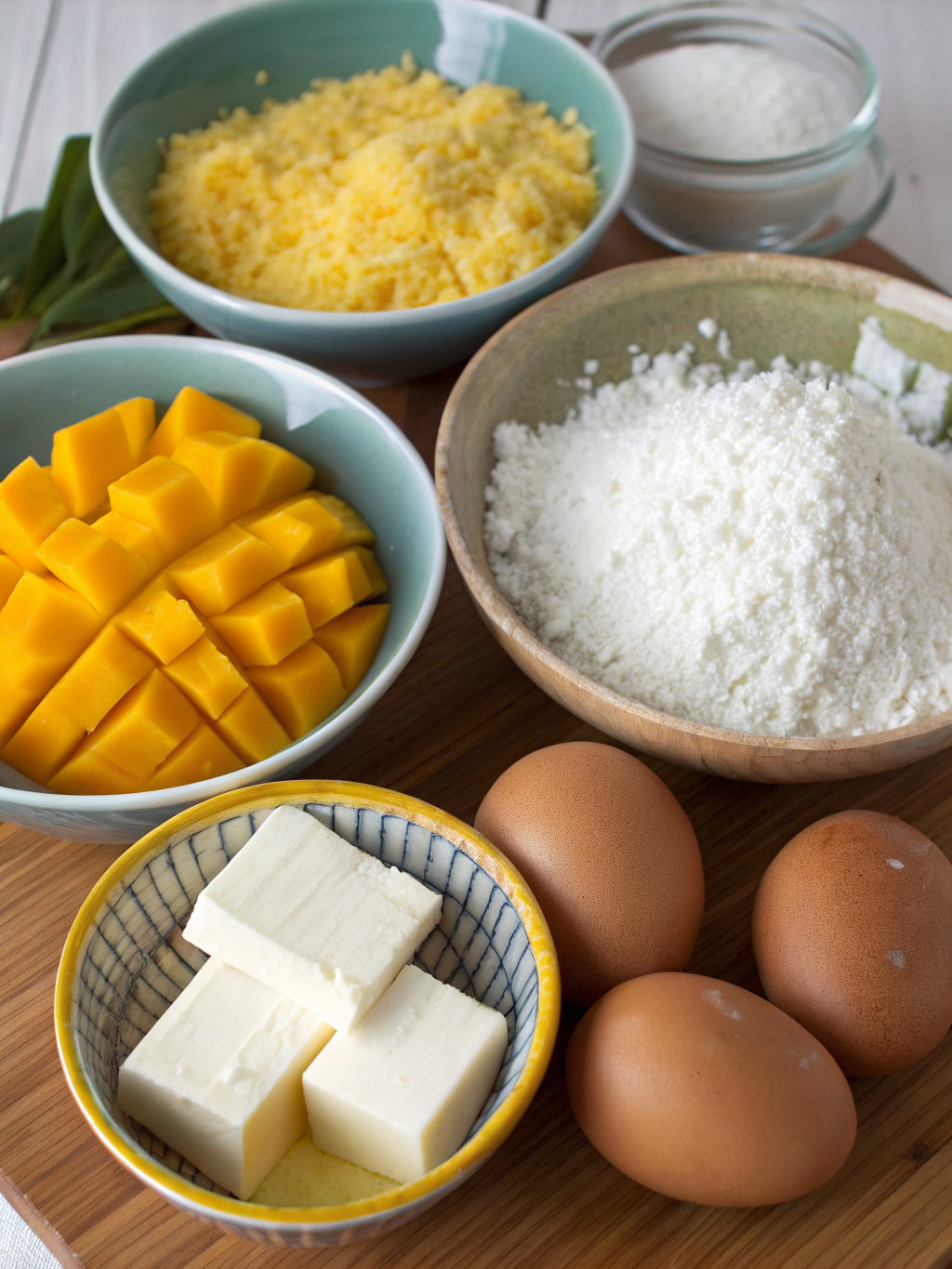
Gather these simple, vibrant ingredients before you begin. Quality matters here; the riper your mangoes, the more intensely flavored your cake will be.
Fresh is always best, but smart substitutions work beautifully too.
For the cake layers:
- 2 cups all purpose flour (substitute: 1:1 gluten free flour blend for a GF version)
- 1½ teaspoons baking powder
- ½ teaspoon baking soda
- ¼ teaspoon salt
- ¾ cup unsalted butter, softened (substitute: vegan butter for dairy free)
- 1½ cups granulated sugar
- 3 large eggs, room temperature (substitute: flax eggs for vegan option)
- 1 teaspoon pure vanilla extract
- 1 cup full-fat coconut milk, shaken well
- 1 cup fresh mango purée (about 2 medium ripe mangoes)
- ½ cup shredded sweetened coconut
For the coconut cream frosting:
- 1 cup unsalted butter, softened
- 3 cups powdered sugar, sifted
- ¼ cup coconut cream (the thick top layer from chilled coconut milk)
- 1 teaspoon coconut extract
- Pinch of salt
For decoration:
- 1 fresh mango, thinly sliced
- ½ cup toasted coconut flakes
- Fresh mint leaves (optional, for garnish)
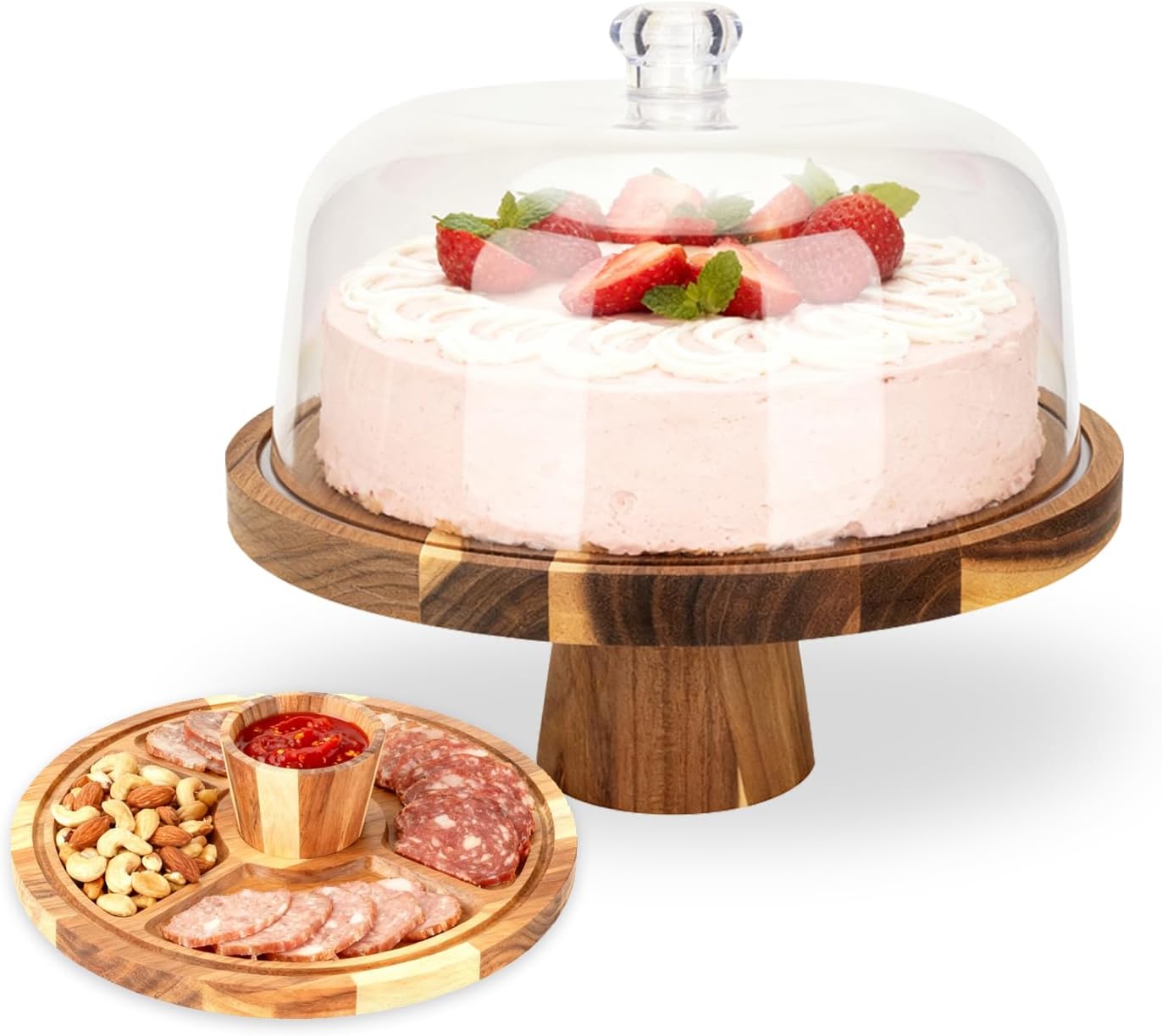
Acrylic Multi-Purpose Dessert Stand — Perfect for Cakes, Charcuterie and Weddings
Premium Acrylic Collection · Perfect for Special Occasions
- Perfect for serving mango coconut cake
- Crystal clear acrylic elegant design
- Multi-purpose for desserts and charcuterie
- Ideal for weddings and parties
- Easy to clean and reusable
$29.99
As an Amazon Associate, step44.com earns from qualifying purchases.
Pro Tip: Alphonso or Ataulfo mangoes are the sweetest and most aromatic varieties perfect for this recipe. Frozen mango chunks, thawed and blended, also work well when fresh mangoes aren’t in season.
Timing
One of the best things about this recipe is how manageable the timeline is. Here’s a full breakdown so you can plan accordingly:
- Preparation Time: 25 minutes
- Baking Time: 30–35 minutes
- Cooling Time: 30 minutes
- Frosting & Assembly: 20 minutes
- Total Time: Approximately 1 hour 50 minutes
At under 2 hours total, this is roughly 25% faster than the average layered celebration cake, which typically takes 2.5 to 3 hours.
The steps are broken into manageable chunks, so you can even prepare the mango purée and toast the coconut the night before to save time.
Step by step instructions
Follow these steps carefully for a perfectly moist, fluffy, and flavor-packed result every single time.
Step 1: Preheat and prepare your pans
Preheat your oven to 350°F (175°C). Grease two 9-inch round cake pans with butter or non stick spray, then line the bottoms with parchment paper circles. Dust lightly with flour and tap out any excess. This ensures clean, easy release after baking.
Step 2: Make the mango purée
Peel and dice your fresh mangoes, then blend them in a food processor or blender until completely smooth. Measure out exactly 1 cup of purée. Set aside. If your mangoes are very fibrous, strain the purée through a fine mesh sieve for a silkier texture.
Step 3: Mix the dry ingredients
In a medium bowl, whisk together the flour, baking powder, baking soda, and salt until evenly combined. Whisking the dry ingredients separately ensures they distribute evenly throughout the batter, preventing dense spots or uneven rising.
Step 4: Cream the butter and sugar
In a large mixing bowl, beat the softened butter and granulated sugar together using a hand or stand mixer on medium high speed for 3–4 minutes, until the mixture is pale, light, and fluffy. This step is crucial proper creaming creates air pockets that give the cake its lift.
Step 5: Add Eggs and Vanilla
Add the eggs one at a time, beating well after each addition. Scrape down the sides of the bowl as needed. Mix in the vanilla extract. The batter should look smooth and cohesive at this stage don’t rush through it.
Step 6: Combine Wet and Dry Ingredients
With the mixer on low speed, alternate adding the dry ingredient mixture and the coconut milk to the butter mixture, beginning and ending with the dry ingredients. Add the mango purée and shredded coconut, folding gently with a spatula until just combined. Do not overmix.
Step 7: Bake the Cake Layers
Divide the batter evenly between the two prepared pans. Smooth the tops with a spatula. Bake for 30–35 minutes, or until a toothpick inserted into the center comes out clean. Rotate the pans halfway through baking for even browning.
Step 8: Cool Completely
Remove the cakes from the oven and let them cool in the pans for 10 minutes. Then turn them out onto a wire rack and allow them to cool completely at least 20–30 minutes before frosting. Frosting a warm cake will cause the frosting to melt and slide off.
Step 9: Make the coconut cream frosting
Beat the softened butter on medium speed until creamy, about 2 minutes. Gradually add the sifted powdered sugar, one cup at a time, mixing on low. Add the coconut cream, coconut extract, and salt. Increase speed to medium-high and beat for 2–3 minutes until light and fluffy.
Step 10: Assemble and decorate
Place one cake layer on your serving plate or cake stand. Spread a generous layer of coconut cream frosting on top. Add the second cake layer and frost the top and sides. Decorate with fresh mango slices, toasted coconut flakes, and mint leaves. Slice and serve!
Nutritional information
The following nutritional values are estimated per serving, based on 12 equal slices. These figures may vary slightly depending on specific brands and ingredient substitutions used.
- Calories: 485 kcal
- Total Fat: 26g (Saturated Fat: 17g)
- Carbohydrates: 62g (Dietary Fiber: 1.5g, Sugars: 46g)
- Protein: 5g
- Sodium: 185mg
- Vitamin C: 12% of Daily Value (from fresh mango)
- Iron: 8% of Daily Value
Mangoes are a nutritional powerhouse rich in Vitamin C, Vitamin A, and antioxidants like beta carotene.
Coconut milk adds healthy medium chain triglycerides (MCTs), which some research suggests may support energy metabolism.
This cake is a treat, but it comes with some genuine nutritional perks!
Healthier Alternatives for the Recipe
Want to enjoy this mango coconut cake with a lighter nutritional profile? These smart swaps maintain the tropical flavor while reducing calories, sugar, or allergens.
- Reduce Sugar: Replace granulated sugar with coconut sugar or a monk fruit sweetener blend. Coconut sugar has a lower glycemic index and adds a subtle caramel note.
- Lower Fat Frosting: Substitute half the butter in the frosting with whipped cream cheese for a tangier, lighter spread.
- Gluten Free Version: Use a certified 1:1 gluten-free baking flour. The texture remains tender and moist with minimal adjustment.
- Vegan Version: Use vegan butter, flax eggs (1 tbsp ground flaxseed + 3 tbsp water per egg), and ensure your sugar is vegan certified.
- Reduce Calories: Skip the frosting entirely and serve with a dollop of whipped coconut cream and fresh mango slices for a lighter presentation.
- Add Fiber: Replace ½ cup of all purpose flour with almond flour for added protein and fiber without compromising texture.
Serving Suggestions
This mango coconut cake is stunning on its own, but the right presentation and pairings can elevate it even further. Here are some creative ideas to make every serving memorable.
- Tropical Dessert Platter: Slice the cake and arrange it on a beautiful coconut and mango cake dessert board alongside fresh tropical fruits, chocolate truffles, and edible flowers for a stunning party centerpiece.
- With Beverages: Pair each slice with a chilled glass of mango lassi, coconut water, or a light sparkling rosé for a sophisticated touch.
- Warm Dessert Option: Gently microwave a slice for 15 seconds and serve with a scoop of coconut or vanilla ice cream for a warm meets cold dessert experience.
- Mini Cupcake Version: Use the same batter to make 24 cupcakes perfect for parties, birthdays, or gifting. Reduce baking time to 18–22 minutes.
- Brunch Centerpiece: This cake works beautifully as a brunch dessert. Serve alongside fresh fruit salad and mimosas for a festive weekend spread.
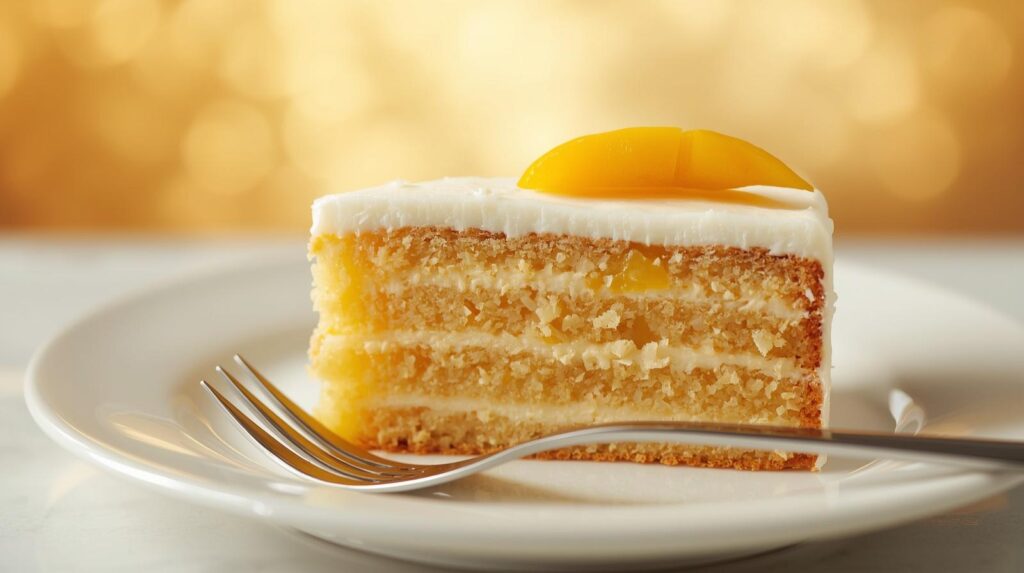
Common Mistakes to Avoid
Even experienced bakers can run into trouble with layer cakes. Here are the most common pitfalls and exactly how to sidestep them for flawless results.
- Using cold ingredients: Cold butter and eggs don’t cream or emulsify properly. Always bring them to room temperature at least 30 minutes before baking.
- Overmixing the batter: Once the flour is added, overmixing develops excess gluten, resulting in a tough, dense cake. Fold gently and stop as soon as the batter is combined.
- Skipping the parchment paper: Even with greased pans, cake layers can stick. Parchment ensures a clean, damage-free release every time.
- Not measuring mango purée accurately: Too much purée adds excess moisture and can cause the cake to sink in the center. Measure precisely exactly 1 cup.
- Frosting a warm cake: This is one of the most common mistakes. Always allow the cake layers to cool completely before applying any frosting.
- Using light coconut milk: Light coconut milk lacks the fat content needed to keep your cake moist and rich. Always use full fat coconut milk for the best texture and flavor. Shake the can well before opening to ensure the cream and liquid are fully combined.
- Skipping the toasting step for coconut flakes: Raw coconut flakes are fine, but toasting them for 3–5 minutes in a dry skillet over medium heat transforms them completely. Toasted coconut adds a deeper, nuttier flavor and a satisfying crunch that raw flakes simply cannot deliver.
- Not leveling your cake layers: Uneven layers make frosting and stacking much harder. Once cooled, use a long serrated knife or a cake leveler to trim any domed tops. This ensures a stable, professional looking finished cake.
- Storage and Make Ahead Tips :
This mango coconut cake stores beautifully, making it ideal for preparing ahead of special occasions.
At Room Temperature: Unfrosted cake layers can be stored tightly wrapped in plastic wrap at room temperature for up to 24 hours.
Refrigerator: Once frosted and assembled, store the cake in an airtight container or under a cake dome in the refrigerator for up to 4 days. Allow slices to come to room temperature for 15 minutes before serving for the best flavor and texture.
Freezer: Freeze individual unfrosted cake layers by wrapping them tightly in plastic wrap followed by aluminum foil. They keep beautifully for up to 2 months. Thaw overnight in the refrigerator before assembling and frosting.
Frosting Ahead: The coconut cream frosting can be made up to 3 days in advance and stored in an airtight container in the refrigerator. Re whip briefly before using.
Recipe Variations Worth Trying
Once you have mastered this classic version, here are exciting variations to explore with the same base recipe.
Mango Coconut Cupcakes: Use the same batter to fill 24 standard cupcake liners. Bake at 350°F for 18–22 minutes. Pipe the coconut cream frosting on top and garnish with a small mango cube and toasted coconut.
Mango Coconut Naked Cake: Skip the side frosting entirely and let the layers show naturally. Pile the frosting generously between layers and on top only. Garnish with mango slices and flowers for a rustic, elegant look that is hugely popular on Pinterest.
Mango Coconut Drip Cake: Prepare a simple white chocolate ganache and drip it down the sides of the frosted cake before adding fresh mango and coconut decoration. This showstopping finish is perfect for birthdays and celebrations.
Pineapple Mango Coconut Cake: Replace half the mango purée with fresh pineapple purée for an extra tropical twist. The acidity of pineapple brightens the overall flavor beautifully.
Frequently Asked Questions
Can I use canned mango purée instead of fresh? Yes, canned mango purée works well as a substitute. Look for unsweetened varieties and reduce the granulated sugar in the recipe by 2 tablespoons to compensate for added sweetness.
Why did my cake sink in the middle? The most common causes are too much liquid, underbaking, or opening the oven door too early. Make sure your oven is fully preheated, measure your mango purée precisely, and avoid opening the oven during the first 25 minutes of baking.
Can I make this as a single layer sheet cake? Absolutely. Pour the entire batter into a greased 9×13 inch baking pan and bake at 350°F for 35–40 minutes. This is a great option for large gatherings where easy slicing and serving are priorities.
How do I prevent my frosting from being too sweet? Add a pinch of salt and a teaspoon of fresh lime juice to the frosting. Both balance sweetness beautifully and actually enhance the tropical coconut flavor.
Can I use desiccated coconut instead of shredded coconut? Yes, but the texture will be finer and drier. If using desiccated coconut, soak it in a tablespoon of coconut milk for 5 minutes before adding to the batter to prevent it from drawing moisture away from the cake.
Final Thoughts
This mango coconut cake is more than just a recipe it is a celebration of tropical flavors, simple techniques, and the kind of homemade joy that only a beautifully baked cake can deliver. Whether you are making it for a birthday, a weekend brunch, or simply because you deserve something extraordinary, this cake will not disappoint.
The combination of fresh mango, creamy coconut milk, and silky coconut cream frosting creates a dessert that feels luxurious without being overly complicated. Every slice is a little piece of paradise.
Try it, photograph it, and share your creation with us. We would love to see your tropical masterpiece come to life!
Don’t miss our coconut chocolate roll,Try our french macarons recipe and mini bundt cake recipes.
Try this Mango Coconut Cake with a dollop of whipped coconut cream and fresh mango slices for a lighter presentation.
Your email will not be published publicly.