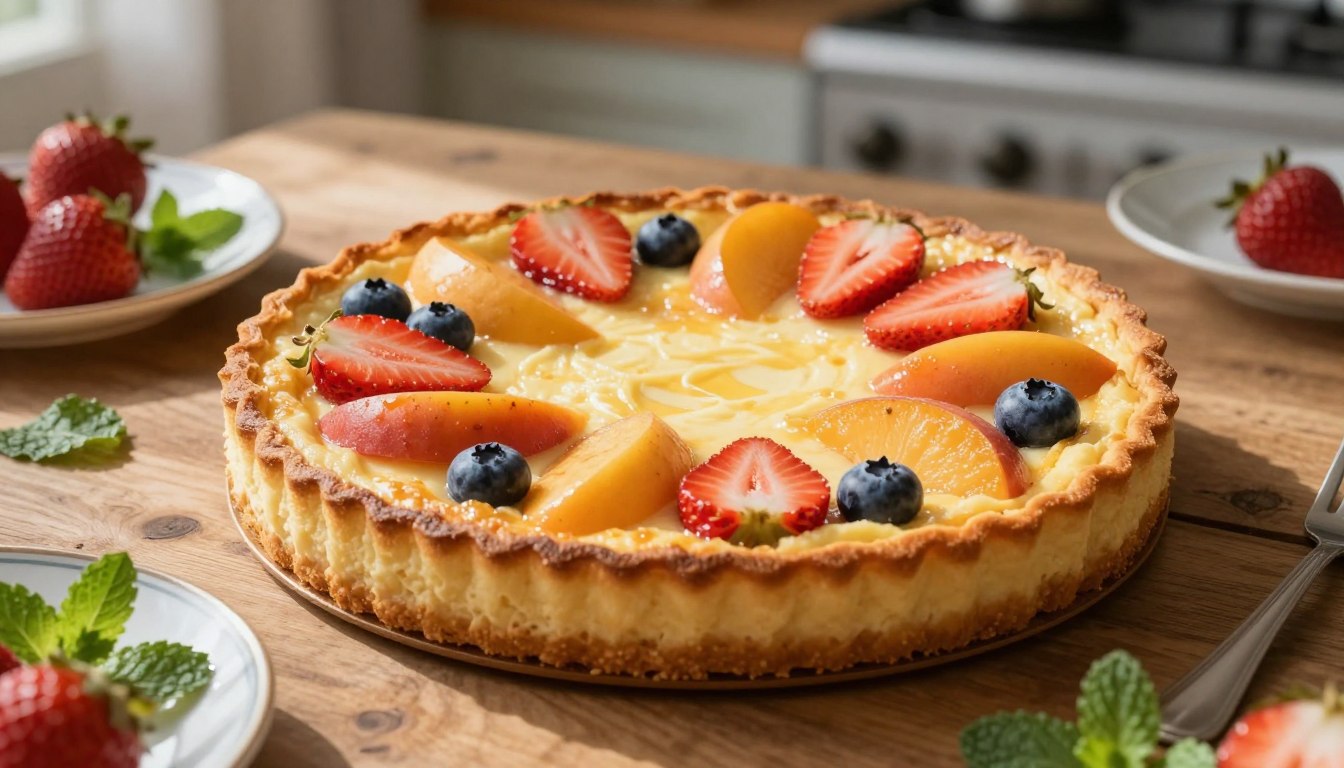
Crustless french dessert with fruit recipes to try today
Did you know that over 60 percent of home bakers avoid making French desserts because they think the recipes are too complicated? The truth is simpler than you might expect. A crustless French dessert with fruit can be ready in under an hour, and you don’t need years of baking experience to create something restaurant quality.
Welcome to the wonderful world of crustless French desserts. These elegant treats have been beloved in France for generations, passed down through families as treasured heirlooms. The beauty of these desserts lies in their simplicity. You combine fresh, seasonal fruit with a tender custard-like batter, bake it all together, and watch magic happen in your oven.
An easy fruit dessert recipe doesn’t need fancy equipment or rare ingredients. Your pantry probably has everything you need right now. Eggs, flour, milk, sugar, and a touch of vanilla are the building blocks. The real star is always fresh fruit. Whether you choose cherries during summer or apples in fall, the fruit transforms a simple batter into something special.
You’re about to discover how to make clafoutis, flaugnarde, and other French favorites without any crust. These desserts work for special occasions at your dinner table or casual afternoons at home. They impress your guests while keeping your baking stress low. Let’s explore how to create these delicious treats together.
What is a crustless french dessert?
Crustless French desserts represent a beautiful approach to baking that puts fresh fruit at the center of attention. Unlike traditional pastries that require you to master dough making skills, these desserts use a simple, pourable batter that bakes around your fruit. The result feels luxurious and sophisticated, yet the preparation remains straightforward and manageable. Think of it as the bridge between a delicate fruit flan recipe and a casual homemade treat all without wrestling with pastry crusts.
Understanding the basics of crustless desserts
At their core, crustless desserts are baked dishes where fresh fruit meets a tender, custard like batter. The most famous example is clafoutis, which looks like it belongs in a fancy bakery but bakes up with the rustic charm of comfort food. The fruit sits at the bottom of your buttered baking dish, and you pour a simple batter over it. As the dessert bakes, magic happens the batter transforms into something between a pancake and a custard. You’ll find that the texture resembles what you’d get from a traditional french fruit custard tart, except without the intimidating pastry shell.
- These crustless French desserts with fruit celebrate the beauty of simple, elegant baking. The most iconic is the clafoutis which Wikipedia describes as a classic French baked dessert originating from the Limousin region. For more elegant French inspired treats, explore our No bake desserts easy to make for any occasion or our delicate Matcha Tiramisu Recipe both perfectly refined!.
Common ingredients in french desserts
The beauty of making a fruit flan recipe or similar crustless dessert lies in using ingredients you already have at home:
- Eggs (provide structure and richness)
- Milk (creates the custard like base)
- Sugar (adds sweetness)
- Flour (gives the dessert body)
- Vanilla extract (enhances flavor depth)
- Salt (balances sweetness)
- Heavy cream (optional, for extra indulgence)
You simply whisk these ingredients together into a smooth batter. No fancy techniques needed just basic kitchen tools and a few minutes of your time.
The appeal of crustless options
Why choose a crustless dessert over traditional options? The answer is simple: they let you focus on what matters most. You skip the stress of making pastry dough from scratch. Your fresh fruit becomes the star ingredient rather than playing a supporting role. The casual, rustic presentation adds charm that feels warm and inviting. When you make a french fruit custard tart without a crust, you also gain flexibility you can experiment with different fruits and flavor combinations without worrying about how they’ll work with a structured pastry base. The result is a dessert that tastes homemade, feels elegant, and impresses your family and guests.
Benefits of choosing crustless desserts
Crustless French desserts offer real advantages that go beyond just tasting delicious. These elegant treats deliver practical benefits for home bakers who want to enjoy something sweet without the fuss. You’ll find that choosing a light fruit dessert opens up a world of simple, satisfying options that work perfectly for any occasion.
Lower calorie options
One of the biggest draws of crustless desserts is the calorie savings. By skipping the butter laden crust, you cut out significant calories right away. A serving of crustless clafoutis typically contains between 190 to 215 calories, while traditional fruit pies or tarts often exceed 300 calories per slice. This makes a healthy fruit dessert choice much easier when you want something sweet but need to watch your intake.
The fruit becomes the star instead of heavy pastry layers. You get pure flavor with far fewer calories, making these treats perfect for lighter meals or when you’re counting calories without sacrificing taste.
Easier preparation techniques
Forget complicated baking steps. Your batter comes together in just one minute using a blender. You won’t need multiple mixing bowls, endless creaming of butter, or stressful dough rolling. The process is wonderfully simple:
- Blend your ingredients in seconds
- Pour the batter over fresh fruit
- Slide into the oven
- Enjoy minimal cleanup
No special baking skills required. Even first time bakers create perfect results with these foolproof recipes.
Versatility in flavors
Your same basic batter works beautifully with nearly any fruit you have on hand. Cherries, berries, stone fruits, apples, and pears all shine in these desserts. The light fruit dessert base pairs wonderfully with flavor additions too.
| Flavor Addition | Best Fruit Pairing | Taste Profile |
|---|---|---|
| Lemon zest | Berries, stone fruits | Bright and fresh |
| Cinnamon | Apples, pears, peaches | Warm and comforting |
| Vanilla extract | All fruits | Smooth and classic |
| Almond liqueur | Cherries, berries | Sophisticated and rich |
You adapt recipes to whatever fruit is in season or on sale. This flexibility means enjoying fresh desserts year-round while staying budget friendly.
Popular fruit choices for crustless desserts
Selecting the right fruit makes all the difference when you’re preparing a crustless fruit pie or any French dessert without a crust. Different fruits bring unique flavors, textures, and moisture levels to your baking. Understanding which fruits work best helps you create desserts that taste amazing and bake evenly. Your choices range from delicate berries to juicy stone fruits and exotic tropical options.
Berries: Strawberries, Raspberries, and Blueberries
Berries are wonderful choices for your crustless fruit pie creations. Strawberries offer bright red color and sweet flavor that looks beautiful in any dessert. Raspberries add a sophisticated tartness that balances sweetness perfectly. Blueberries provide bursts of juice throughout your baked treat.
Keep in mind that berries release extra liquid as they bake. You’ll need to increase your flour content to about 1¼ cups instead of the standard ⅔ cup. This adjustment prevents your crustless fruit pie from becoming too wet or soggy during baking.
- Strawberries create gorgeous presentation with vibrant color
- Raspberries offer delicate, tangy flavor notes
- Blueberries stay plump and release sweet juice
- All three require extra flour due to high water content
Stone fruits: Peaches, Plums, and Cherries
Stone fruits represent the most traditional choice for authentic crustless fruit pie preparations. Cherries are the classic option black cherries are traditional, while sweet Bing or Rainier cherries work wonderfully. Tart pie cherries bring complexity to your dessert.
Peaches bring summery sweetness with soft texture that bakes beautifully. Plums offer stunning color and slightly tangy flavor that complements the custardy base of your crustless fruit pie. These fruits have ideal moisture content for creating the perfect texture.
| Stone Fruit | Flavor Profile | Best For | Texture When Baked |
|---|---|---|---|
| Black Cherries | Sweet and mild | Traditional clafoutis | Tender, juicy |
| Bing Cherries | Sweet and rich | Modern variations | Soft, releases juice |
| Peaches | Sweet and aromatic | Summer desserts | Soft, melting |
| Plums | Tangy and slightly tart | Flavor balance | Firm, holds shape |
Tropical fruits: Pineapple and Mango
Tropical fruits bring bright, exotic flavors to your crustless fruit pie experience. Pineapple adds tartness and sweetness with a natural acidity that prevents the dessert from becoming cloying. Mango offers creamy sweetness and vibrant golden color.
These adventurous options work beautifully when you want to experiment beyond traditional preparations. Prepare pineapple by removing the core and cutting into small chunks. Mango should be peeled and diced into uniform pieces. Both fruits pair wonderfully with complementary spices like ginger or cardamom, elevating your crustless fruit pie into a gourmet experience.
- Pineapple brings tartness and tropical sweetness
- Mango adds creamy texture and golden color
- Both pair well with warming spices
- Ideal for experimenting with new flavor combinations
Classic crustless french dessert recipes
French crustless desserts bring elegance to your kitchen without the fuss of pie dough. These timeless recipes have delighted families for generations. You’ll discover that making a fruit custard pie alternative is simpler than you might think. The three classic recipes below offer different textures and flavors to match your mood and skill level.
Clafoutis: A rustic fruit bake
Clafoutis stands as the most iconic crustless French dessert. You start by gathering your ingredients: 3 cups of fresh fruit, 1¼ cups milk, ⅓ cup sugar, 3 eggs, 1 tablespoon vanilla extract, ⅛ teaspoon salt, and ⅔ cup flour. This fruit custard pie style dessert comes together in minutes.
Pour your batter into a buttered baking dish and bake at 350°F for about 1 hour. Try this professional tip: prebake a thin layer of batter for 8-10 minutes before adding your fruit. This creates a solid foundation that keeps the fruit near the surface for beautiful presentation.
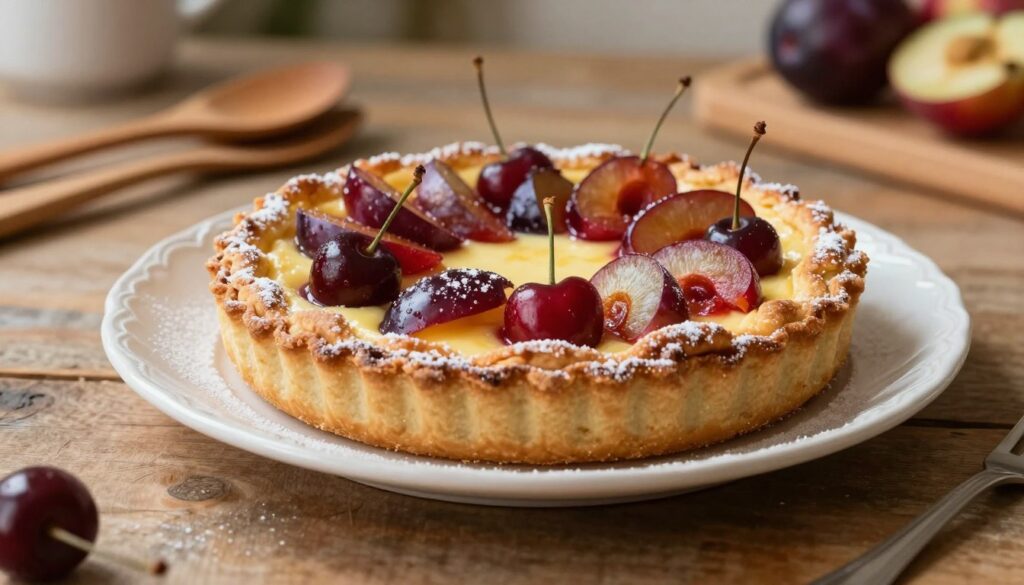
Traditional recipes left cherry pits inside for their subtle almond flavor. Modern cooks prefer pitting cherries and adding almond extract. This approach gives you all the taste without the hazard.
Flaugnarde: a twist on clafoutis
Flaugnarde brings an apple forward variation to the crustless dessert family. You sauté apple slices in butter until lightly browned before arranging them in your dish. This caramelized step elevates your fruit custard pie alternative with deeper flavor.
The batter recipe stays the same as clafoutis. What changes is your fruit choice and preparation method. This twist appeals to cooks who want something familiar yet different.
Fruit soufflé: light and airy delights
Fruit soufflés offer the lightest option in crustless desserts. You whip egg whites separately, creating air pockets that make your dessert rise dramatically in the oven.
- Separate egg whites from yolks carefully
- Beat whites until stiff peaks form
- Fold fruit purée into the egg white mixture gently
- Bake in a ramekin or dish at 375°F for 12-15 minutes
This dessert demands precise timing. You’ll serve it immediately after baking, making it perfect for special occasions when you want to impress your guests with a dramatic presentation.
Modern takes on crustless desserts
Contemporary chefs and home bakers have transformed traditional crustless French desserts into elegant creations that appeal to modern tastes. These updated versions maintain the simplicity of classic recipes while adding sophisticated flavors and presentations. You can elevate your dessert game by exploring these creative approaches that reimagine what a fruit tart recipe can become without a traditional crust. The innovations you’ll discover blend time honored techniques with fresh ideas.
Citrus infused ricotta desserts
When you want to create a luxurious fruit tart recipe without the crust, ricotta cheese becomes your secret ingredient. This creamy base layer adds protein and richness while keeping your dessert light. You can mix ricotta directly into your batter or layer it as a foundation beneath your fruit.
Bright citrus flavors work beautifully in these desserts. You’ll brighten the sweetness by adding:
- Lemon zest for sharp, tangy notes
- Orange zest for warm, mellow citrus flavor
- Lime zest for tropical brightness
The citrus provides a refreshing contrast to sweet fruit, creating a balanced dessert that feels both comforting and modern.
Upscale fruit parfaits
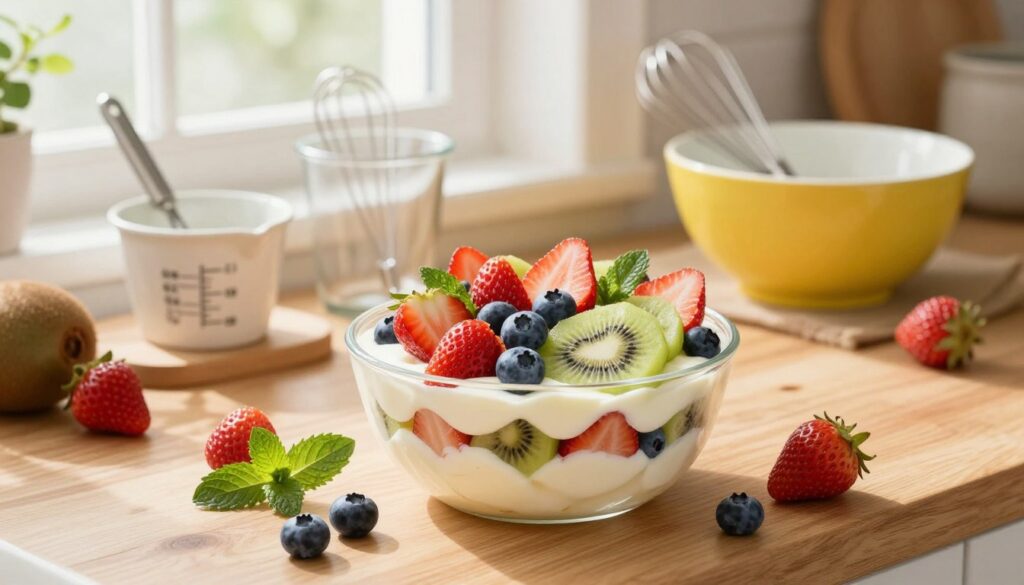
You can present traditional French dessert flavors in individual glasses for an elegant touch perfect for dinner parties. These upscale fruit parfaits borrow elements from classic clafoutis but arrange them in stunning layers.
Your parfait layers should include:
- Fresh or macerated fruit on the bottom
- Creamy custard or ricotta mixture in the middle
- Cake or cookie crumbles on top for texture
This presentation gives you all the flavors of traditional French desserts in a contemporary format that impresses your guests.
Creative fruit compotes
You can elevate a basic fruit tart recipe by creating sophisticated compotes using a technique called maceration. This process involves soaking fruit in liqueur and sugar for one hour before baking, which draws out the fruit’s natural juices and infuses complex flavors.
| Fruit Type | Recommended Liqueur | Maceration Time | Sugar Amount |
|---|---|---|---|
| Cherries | Kirsch | 1 hour | ⅓ cup |
| Peaches | Peach liqueur | 1 hour | ⅓ cup |
| Apples | Calvados or Cognac | 1 hour | ⅓ cup |
| Berries | Chambord | 1 hour | ⅓ cup |
| Plums | Orange liqueur or Cognac | 1 hour | ⅓ cup |
| Pears | Sweet white wine or Kirsch | 1 hour | ⅓ cup |
After maceration, you can use that flavorful liquid to replace part of the milk in your batter. This creates layers of complementary tastes that transform your dessert into something truly restaurant-quality. For extra richness, use ¼ cup liqueur mixed with milk and heavy cream instead of milk alone. Your macerated fruit compote can stand alone as a dessert or accompany other elements on your plate.
How to choose the right fruit
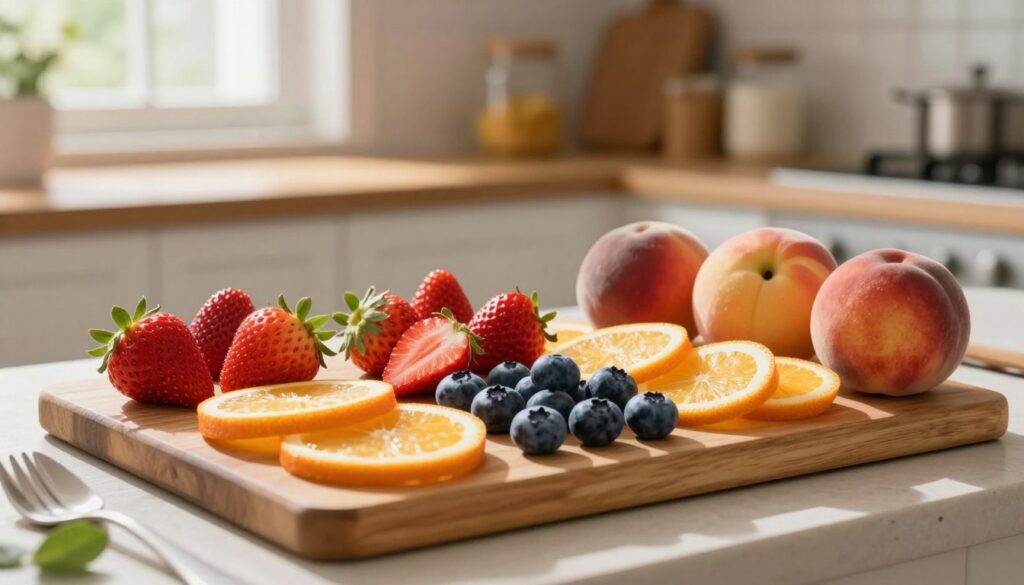
Picking the right fruit makes all the difference in your crustless French desserts. When you focus on fresh fruit quality and seasonal fruit selection, you create desserts that taste amazing and impress everyone at your table. The fruit is the star of your recipe, so choosing wisely ensures your baking success.
Choosing seasonal fruits
The best approach to seasonal fruit selection involves timing your baking with what’s naturally available. Each season brings different fruits at their peak flavor and texture. When you buy fruit during its natural growing season, you get better taste, better texture, and lower prices at your local market.
Here’s what you should focus on throughout the year:
- Late spring to early summer : Cherries shine during their short window take advantage while they’re fresh and abundant
- Summer : Berries reach peak ripeness, offering vibrant flavors for your clafoutis
- Mid to late summer : Stone fruits like peaches, plums, and apricots deliver their sweetest taste
- Fall: Apples and pears become your go to choices for seasonal desserts
If fresh fruit isn’t available, frozen fruit (thawed and drained) works well. Canned fruit (thoroughly drained) serves as your backup option, though fresh always delivers the best results.
Flavor pairings to enhance your dessert
Small flavor additions transform your dessert from ordinary to extraordinary. Understanding which flavors complement your chosen fruit helps you create memorable treats.
| Fruit type | Best flavor partners | Why it works |
|---|---|---|
| Cherries | Almond, vanilla, chocolate | These flavors bring out cherry’s natural sweetness and depth |
| Berries | Lemon, mint, lavender | Bright citrus and herbs enhance berry freshness |
| Stone Fruits | Cinnamon, ginger, cardamom | Warm spices highlight these fruits’ rich flavors |
| Apples and Pears | Nutmeg, caramel, rosemary | Spices and caramel deepen autumn fruit character |
Organic vs Conventional: what to consider
Your budget and health concerns guide this choice. Some fruits need organic status because of pesticide exposure, while others have protective skins making conventional options perfectly safe.
Focus your organic spending on the Dirty Dozen fruits with higher pesticide residues:
- Strawberries
- Cherries
- Raspberries
- Peaches
Conventional options work fine for fruits with thicker skins like pineapples and mangoes. This smart approach lets you maintain fresh fruit quality while keeping your grocery costs reasonable.
Tips for baking crustless desserts
Getting your crustless desserts right takes knowledge of solid baking techniques and understanding what makes the perfect texture tips work in your kitchen. The right approach transforms simple fruit and batter into restaurant-quality treats you’ll want to make again and again. Let’s walk through the essential steps that guarantee your success every time you bake.
Preparing the right baking dish
Your choice of baking dish makes a real difference in how your dessert turns out. Shallow dishes work best because they allow even heat distribution and keep your fruit visible and attractive. A standard 9 or 10 inch pie dish, gratin dish, or cast-iron skillet all work beautifully when they’re about 1½ inches deep with a 7-8 cup capacity.
Before you pour in your batter, generously butter your dish. Use a kitchen brush to coat the sides and bottom evenly. That butter does more than prevent sticking it creates a slightly crispy, flavorful edge that adds wonderful texture to your finished dessert.
Monitoring cooking times
Most crustless desserts bake at 350°F for about one hour, though some recipes call for 375°F for different results. Many bakers prefer a two stage baking method that delivers perfect texture tips:
- Bake for 20 minutes until the batter sets
- Sprinkle the top with additional sugar
- Bake for another 25-30 minutes until golden brown
This approach creates a lovely caramelized top while ensuring your center cooks through completely.
Knowing when it’s done
Look for these visual signs that your dessert is ready:
- A puffy, golden brown top
- Slight jiggle in the center (it firms as it cools)
- A toothpick inserted in the center comes out clean or with just a few moist crumbs
Don’t panic if the center looks slightly wet. Your crustless dessert will set as it cools, giving you that ideal texture you’re seeking.
Serving suggestions and pairings
Your crustless French dessert deserves a beautiful dessert presentation that makes every bite special. The right serving ideas can transform your clafoutis, flaugnarde, or fruit soufflé into an unforgettable treat. Learn how to elevate your dessert with complementary toppings, sauces, and drinks that bring out the best in your creation.
Pairing with whipped cream or ice cream
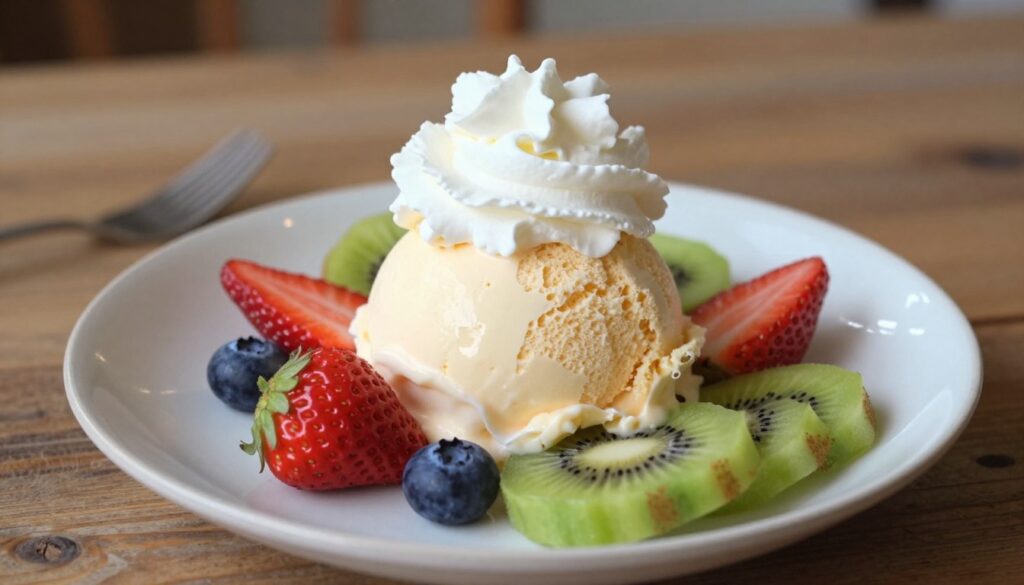
Serve your warm clafoutis with a dollop of softly whipped cream for the perfect contrast. The cool, creamy topping balances the warm, custardy center beautifully. You can sweeten the whipped cream with a touch of vanilla extract to add extra flavor without overpowering your fruit.
Vanilla ice cream works wonderfully with crustless desserts. A single scoop melts slightly when it touches the warm dessert, creating a luxurious sauce. For cherry clafoutis, try cherry vanilla ice cream to enhance the fruit flavors even more. Crème fraîche offers a French touch with its slightly tangy richness that complements the sweetness perfectly.
Complementing with sauces and syrups
A simple dusting of powdered sugar remains the traditional French approach for dessert presentation. This classic touch looks elegant and lets the fruit shine. Beyond the basics, you have many options:
- Chocolate sauce for berry based versions
- Caramel sauce for apple or peach variations
- Fruit coulis made from the same berries in your dessert
- Berry compote for extra fruity serving ideas
Ideal beverage pairings
Your drink choice matters when serving these desserts. Coffee or espresso pairs beautifully for breakfast or brunch service. For evening desserts, consider sweet wines like Sauternes with stone fruit versions, or a light sparkling wine with berry clafoutis. These pairings create a harmonious flavor experience that feels truly French.
| Dessert type | Beverage pairing | Serving time |
|---|---|---|
| Berry Clafoutis | Sparkling Wine or Coffee | Afternoon or Evening |
| Cherry Clafoutis | Sweet Dessert Wine | After Dinner |
| Peach or Stone Fruit | Sauternes or Moscato | Evening Dessert |
| Apple Variation | Cider or Sweet Wine | Brunch or Afternoon |
Remember to serve your clafoutis warm, either plain or with fresh toppings. The dessert tastes best the day you make it. You can serve it directly from the baking pan for a charming, rustic presentation that guests will love.
Storing and reheating crustless desserts
Once you finish enjoying your freshly baked crustless dessert, you’ll want to know how to handle leftover desserts properly. These French treats can taste wonderful for days when you store them correctly. Understanding the right food storage methods keeps your desserts fresh and delicious for future enjoyment.
Proper storage techniques
Let your crustless dessert cool to room temperature before storing it away. Once cooled, cover it tightly with plastic wrap or place it in an airtight container. This step prevents your dessert from drying out and absorbing unwanted refrigerator odors.
You can store your dessert right in the baking dish if your refrigerator has enough space. Just make sure it’s covered well. For longer term food storage, these desserts freeze beautifully for up to two months. Keep in mind that frozen desserts will have a slightly different texture when thawed, yet they’ll still taste delicious.
How long can they last?
Refrigerated leftover desserts stay fresh for up to three days. The best flavor comes within the first one or two days after baking. Watch for signs that your dessert has gone bad, like excessive liquid separation or strange odors.
| Storage method | Duration | Best quality window |
|---|---|---|
| Refrigerator (covered) | Up to 3 days | Day 1-2 |
| Freezer (wrapped) | Up to 2 months | First month |
| Room Temperature (covered) | Up to 1 day | Same day |
Reheating tips for best flavor
Individual portions of leftover desserts reheat beautifully in the microwave for about thirty to forty-five seconds. For larger portions, use your oven at 300 degrees Fahrenheit for ten to fifteen minutes. Place a light foil cover over the top to prevent over browning during reheating.
- Microwave individual servings for quick warming
- Use a low oven temperature to protect delicate textures
- Add foil covering to prevent excessive browning
- Test temperature before serving to your family
Remember that reheated crustless desserts won’t be quite as puffy as when freshly baked. They’ll still taste wonderful, but plan your serving sizes knowing that the texture will be slightly less dramatic. Your leftover desserts deserve the same care you gave them during initial preparation.
Gluten free and dairy free options
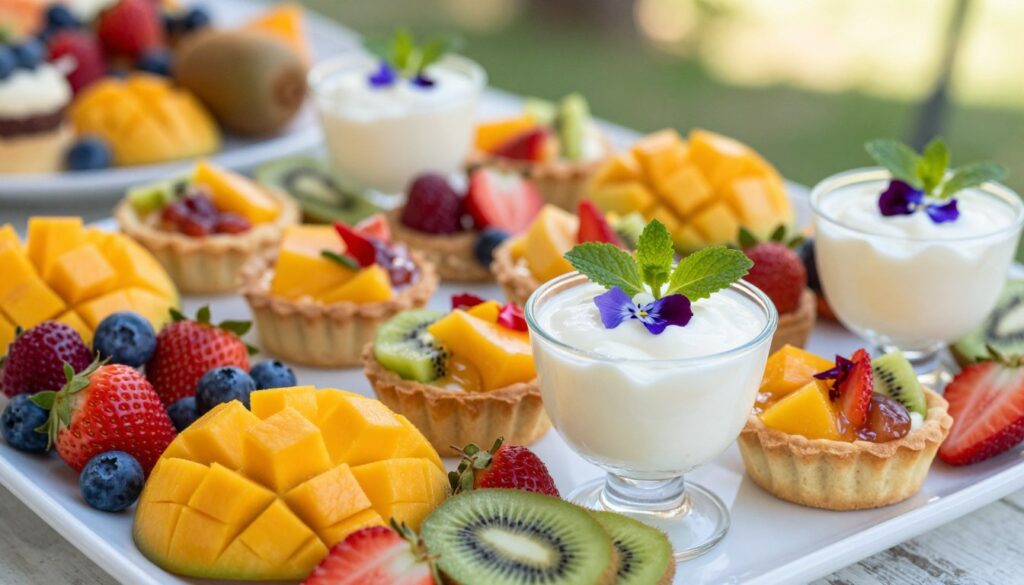
Making dietary adaptations to your favorite crustless French desserts opens up new possibilities for everyone at your table. Whether you follow a gluten free lifestyle, avoid dairy, or both, you can enjoy delicious no bake fruit dessert options and baked versions that taste just as wonderful. The key lies in understanding which ingredients create structure, provide moisture, and deliver flavor so you can swap them out strategically.
Adapting recipes for dietary needs
Traditional clafoutis relies on eggs and dairy to create its signature tender texture. You can modify these recipes without losing their charm. Understanding ingredient roles helps you make smart choices. Eggs provide structure and lift, flour adds body, milk creates moisture, and vanilla brings flavor.
Gluten free versions work beautifully because you simply replace the flour. Egg free adaptations require more creativity since eggs form the custard’s foundation. Start by identifying what you need to change, then substitute one ingredient at a time so you understand how each swap affects your final dessert.
Alternative flour and milk choices
For gluten free baking, a 1:1 gluten free baking flour blend works best for most recipes. You might use a mix of rice flour and almond flour for added depth. Gluten free flours absorb more liquid, so add slightly more flour than the original recipe calls for.
Dairy-free dietary adaptations benefit from full fat coconut milk, which delivers the richness closest to traditional cream. Oat milk and cashew milk work well as whole milk substitutes. Almond milk functions adequately but may create a thinner texture in your finished dessert.
Delicious fruit combinations for everyone
Certain fruit pairings shine in dietary adapted recipes. Berries with coconut milk create a tropical twist for dairy free versions. Stone fruits pair beautifully with almond flour in gluten free adaptations, bringing out nutty undertones.
- Raspberries with oat milk for a classic, creamy taste
- Peaches with gluten-free flour for warming flavors
- Blueberries with coconut milk for a naturally sweet combination
- Cherries with almond flour for deeper, richer notes
These no bake fruit dessert ideas expand your options. Your dietary adaptations create wonderful variations that celebrate fresh fruit without compromising taste or texture.
How to get creative with crustless desserts
Your basic crustless dessert gives you an excellent foundation for creative dessert ideas. The beauty of these simple recipes lies in their flexibility. You can transform a plain fruit bake into something truly special by adding your own personal touches. Let your imagination guide you as you discover how small changes create big flavor variations that make each dessert unique to your taste.
Incorporating spices and extracts
Start with extracts and spices to build complexity into your dessert. Vanilla extract and almond extract serve as classic choices, but you can explore far beyond these basics. Try cardamom with stone fruits for an exotic twist, or cinnamon and nutmeg with apples and pears for warmth.
When adding spices, use restraint. A quarter to half teaspoon of ground spice is often enough to enhance your dessert without overpowering the fruit. Sea salt plays an important role just a tiny pinch intensifies natural fruit flavors. Citrus zest from lemon, orange, or lime brightens the entire dish.
- Vanilla extract : the traditional choice for most fruits
- Almond extract : adds depth to stone fruits and berries
- Cardamom : brings exotic flair to peaches and plums
- Ginger : pairs beautifully with plums and apples
- Lavender : creates sophisticated floral notes with berries
Layering flavors for a gourmet touch
Building flavor variations through layering transforms ordinary desserts into gourmet creations. Spread a thin layer of jam or preserves at the bottom of your baking dish before pouring in the batter. This technique creates depth and richness that guests will notice immediately.
Toast nuts like almonds, hazelnuts, or pecans and sprinkle them over your fruit. This adds textural contrast and nutty richness. Consider using complementary liqueurs cherry liqueur in cherry clafoutis or peach liqueur in peach versions to strengthen and echo the main fruit flavor.
Experimenting with presentation
Make your desserts visually stunning by arranging fruit in decorative patterns before adding batter. Use individual ramekins for elegant single servings that feel restaurant quality. Create an ombré effect with different colored berries for Instagram worthy appeal.
Finish your dessert with style. Dust powdered sugar through a lace doily to create beautiful patterns. Add fresh mint leaves, edible flowers, or a light drizzle of reduced balsamic for berry versions. Sugar sprinkled on top during baking creates a caramelized crust that catches the light and adds visual interest.
| Technique | Best Fruits | Flavor Impact |
|---|---|---|
| Toast nuts before layering | Peaches, apples, plums | Adds nutty depth and texture |
| Add jam layer underneath | Berries, cherries, stone fruits | Intensifies fruit flavor complexity |
| Sprinkle colored sugar on top | All fruits work well | Creates caramelized crust during baking |
| Use complementary liqueurs | Cherries, peaches, raspberries | Strengthens and echoes main flavor |
| Arrange fruit in patterns | All fruits for visual appeal | Enhances presentation only |
Your crustless dessert becomes your canvas. Take these creative dessert ideas and make them your own. Mix spices, layer flavors, and present with pride. The result is a dessert that tastes amazing and looks beautiful on your table.
Conclusion: enjoying crustless french desserts with fruit
You now have all the tools and knowledge to start your own crustless French dessert with fruit journey. The beauty of these recipes lies in their flexibility and forgiving nature. Begin with a classic cherry clafoutis to learn the basic technique. Once you understand the fundamentals, you can branch out to any fruit that catches your eye at the market. Each fruit brings its own unique personality to the dessert. Making the same recipe multiple times with different fruits feels like discovering entirely new treats. Your first attempt might not be perfect, but it will still taste wonderful. You will improve with every baking session, and that is part of the fun of home baking success.
Encouragement to try different recipes
The crustless French dessert with fruit recipes you have learned are foolproof and flexible. Start simple and build your confidence in the kitchen. Try berries one week, stone fruits the next, and tropical fruits after that. Each variation teaches you something new about flavor combinations and baking techniques. You will find that these desserts adapt beautifully to whatever fruits are in season. The recipes forgive small mistakes because the focus stays on quality ingredients and straightforward preparation. Your kitchen will fill with the aroma of baking magic every time you pull a golden, puffy creation from the oven.
Exploring local produce for fresh ingredients
Visit your local farmers market to find the most flavorful, just picked fruits available. Building relationships with local farmers opens doors to heirloom varieties and unusual fruits you will not find in supermarkets. These connections create opportunities for new flavor discoveries. The French tradition of cooking with seasonal and local ingredients makes your desserts authentic in both technique and philosophy. When you use fruits at their peak ripeness from nearby sources, your crustless French dessert with fruit becomes exceptional. The natural sweetness and freshness of locally grown produce shine through in every bite.
Embracing the simplicity and flavor of these desserts
In a world full of complicated, multi component desserts, there is something deeply satisfying about dishes that require minimal technique. These crustless creations deliver maximum flavor and elegance with simple ingredients treated with respect. They represent the best of French cooking: quality ingredients allowed to shine naturally. The result is something greater than the sum of its parts. Make these desserts part of your regular kitchen routine for special occasions and simple family dinners. Each time you create one of these treats, you are participating in a delicious tradition that spans generations. Home baking success means understanding that simplicity and flavor go hand in hand.
Your email will not be published publicly.